Can Flooded Items Be Dried and Saved?
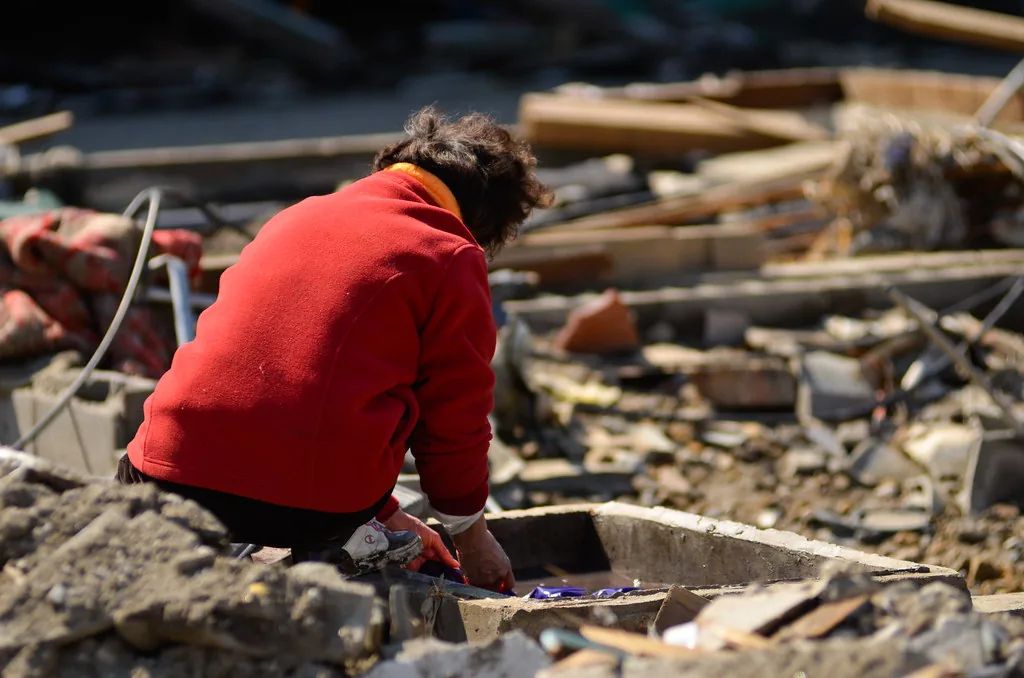
Some flooded items can be dried and saved, and some cannot. The outcome depends on three things: what the item is made of, whether the water was clean or contaminated, and how quickly drying begins. Hard, non-porous items like glass, metal, and solid plastic are usually salvageable with thorough cleaning and drying. Porous items like mattresses, carpet padding, upholstered furniture, and cardboard rarely survive, especially after contaminated water. The U.S. EPA advises drying water-damaged areas and items within 24 to 48 hours to prevent mold growth, so time is a real factor in what can be kept.
What Decides Whether Something Can Be Saved
Three factors decide almost every salvage question. Material comes first: non-porous surfaces release water and can be cleaned, while porous materials absorb water deep into their structure where it cannot be fully removed. Water type comes second: clean water from a supply line is far more forgiving than gray water from an appliance or black water from sewage or stormwater, which carries bacteria and other contaminants. Time comes third: the longer an item stays wet, the more damage occurs and the greater the chance of microbial growth. An item that might have been saved on day one is often a lost cause by day four.
What Usually Survives
Hard, non-porous belongings are the best candidates. Glass, ceramics, metal tools, hard plastics, and sealed items can typically be cleaned with soap and water, disinfected where appropriate, and dried completely. Washable clothing and bedding often survive if laundered thoroughly in hot water with detergent, provided the water was not sewage. Solid wood furniture can sometimes be saved if dried slowly and evenly, though warping, swelling, and finish damage are common, and particleboard or laminate furniture usually swells beyond repair. The key question for each item is whether water reached inside it, not just whether the surface got wet.
What Usually Does Not Survive
Porous materials are the problem category. Mattresses, pillows, upholstered furniture, carpet padding, stuffed toys, cardboard boxes, and paper records absorb water throughout and are extremely difficult to dry before mold begins. The EPA notes that materials which are wet and cannot be thoroughly cleaned and dried within 24 to 48 hours should generally be discarded. After sewage or exterior stormwater exposure, the bar is even higher: porous items that contacted contaminated water should be discarded rather than cleaned, because surface cleaning does not make them safe. Carpet itself can sometimes be saved after clean water if padding is replaced and drying is verified, but after contaminated water, replacement is the norm.
The 24 to 48 Hour Window
The EPA's guidance is straightforward: dry water-damaged areas and items within 24 to 48 hours to prevent mold growth. That window starts when the water arrives, not when you discover it, which is why a flood found Monday morning after a weekend storm is already on the clock. Prioritize accordingly: get air moving, remove standing water, and pull wet porous items out of the space quickly. For sentimental items like photographs and important papers, there is a useful exception to the rush: wet photos and documents can be placed in sealed bags in the freezer, which halts further deterioration until you can deal with them properly. Freezing buys time; it does not fix the item.
Safety Comes Before Salvage
Before sorting through anything, consider what the water carried. Ready.gov advises avoiding wading in floodwater, which can be contaminated and contain dangerous debris, and warns against touching electrical equipment if it is wet or if you are standing in water. Wear waterproof boots and gloves, keep children and pets out of the affected area, and assume stormwater and sewage backups are contaminated. If you are unsure whether the water was clean, treat porous items as contaminated and discard them. No belonging is worth a health risk, and when in doubt, documentation for insurance matters more than the item itself.
How to Prioritize When Everything Is Wet
When the whole basement is wet, decide in this order. Health hazards first: anything soaked by sewage or that smells strongly of contamination gets bagged and discarded, because no belonging justifies the risk. Time-sensitive items second: wet documents and photos go into the freezer, electronics get powered off and set somewhere dry, and solid wood furniture gets air circulating around it. Everything else third. Work with two roles if you can: one person documents and photographs while the other moves items, so nothing leaves the basement unrecorded. The biggest mistake is spending an hour debating a single box of old magazines while the clock runs on everything else.
Frequently Asked Questions
Can my carpet be saved after a basement flood?
Sometimes, but the padding underneath almost always needs to go. Carpet padding acts like a sponge and rarely dries before mold begins. After clean water, carpet itself can occasionally be saved with professional extraction and verified drying, but after contaminated water, both carpet and padding are typically removed.
Can a flooded mattress be saved?
Usually not. A mattress absorbs water deep into layers that cannot be cleaned or dried in time, and sleeping on a mattress that grew mold is a health concern. Mattresses exposed to floodwater, especially contaminated water, should generally be discarded.
Can electronics be dried out and used again?
Power them off immediately and do not test them while wet. Some electronics survive if they were only briefly exposed and dried thoroughly, but water and electricity are a dangerous combination and internal corrosion often appears later. When in doubt, have them checked rather than plugging them in.
Should I throw ruined items away before the insurance adjuster visits?
Photograph and document everything first, including wide shots of each room and close-ups of damaged items. Keep a list with descriptions and approximate values. If items pose a health hazard, such as sewage-soaked materials, ask your insurer how they want them handled rather than waiting indefinitely.
Will bleach save porous materials?
No. Bleach can disinfect hard surfaces, but it does not restore waterlogged drywall, insulation, carpet padding, or upholstery to a safe condition. The material problem is moisture trapped inside, which bleach cannot reach or remove.
Sources
- U.S. EPA: What Is Mold?, Moisture control guidance and the 24 to 48 hour drying rule.
- Ready.gov: Floods, FEMA guidance on avoiding contaminated floodwater and electrical hazards during cleanup.
Related Guides
- How Do I Prevent My Basement From Flooding Again?
- What Are Hidden Costs of Basement Flood Cleanup?
- How Do I Choose Between Water Restoration Companies?
Related Services
Questions About Basement Flooding?
Call MH Restoration at (800) 231-6861, serving 909 Ohio communities.
(800) 231-6861Call Now