How Much Does It Cost to Replace a Failed Sump Pump?
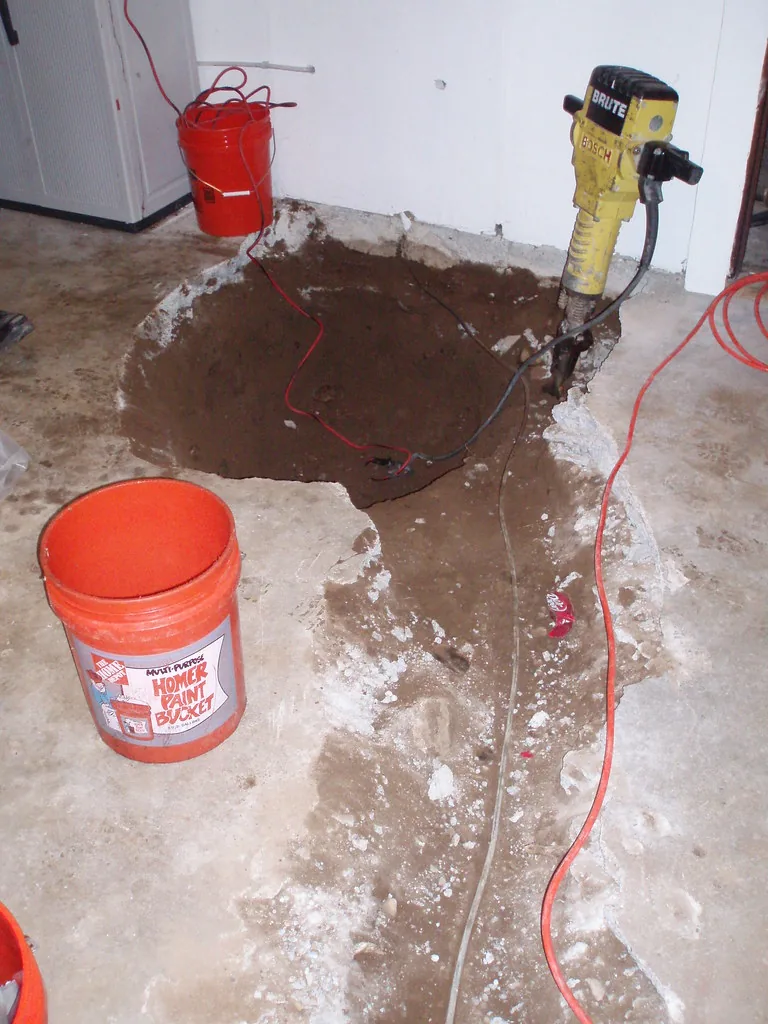
There is no single price for replacing a failed sump pump, because the pump itself is only one part of the job. The total depends on the type of pump, the condition of the pit and discharge line, whether electrical work is needed, and whether you add battery backup, which Ready.gov specifically recommends. A straightforward swap of a similar pump into a sound pit costs far less than a job that also needs a new discharge line, a dedicated circuit, or a backup system. For context on the bigger picture, complete basement flood cleanup and restoration projects in Ohio typically range from $1,000 to $12,000 depending on the scope of the loss.
The pump is only part of the cost
When a sump pump fails, homeowners naturally focus on the price of a new pump, but the unit is often the smallest line item. A replacement job can include removing the failed pump, cleaning years of sediment from the pit, replacing a corroded or undersized discharge line, adding or repairing a check valve, and addressing the electrical supply. If the pit itself is undersized, cracked, or constantly silting up, correcting that is part of doing the job once instead of doing it twice. Any estimate worth comparing should itemize these pieces separately rather than presenting a single lump sum.
What moves the price up or down
Several variables shape the final number. Pump type matters: submersible pumps, which sit inside the pit, generally cost more than pedestal pumps but run quieter and handle debris better. Capacity matters too, since an undersized replacement will cycle constantly and wear out early. The discharge line is a frequent hidden cost driver: if the existing line is cracked, frozen-prone, or dumps water right back at the foundation, rerouting it properly adds labor and materials. Electrical work adds cost if the pump needs a dedicated GFCI-protected circuit or the existing outlet is not code compliant. Accessibility matters as well: a pit buried under stored belongings in a finished basement takes longer to service than an open pit in an unfinished utility area.
Battery backup: the option worth pricing
The most consequential add-on is battery backup, and it deserves separate consideration rather than being treated as an upsell. Power outages and peak pumping demand arrive together during severe storms, which is exactly when a pump without backup is useless. Ready.gov's flood guidance explicitly says to consider a sump pump with a battery. Backup systems add to the upfront cost, but they protect against the specific failure mode that causes the most expensive floods: the pump that worked fine until the lights went out. When comparing options, ask what the backup actually covers: how long it runs, whether it alarms when it activates, and how you will know the battery needs replacement.
Replacement versus the cost of another flood
The honest way to frame sump pump spending is against the cost of the flood it prevents. Basement flood cleanup and restoration projects typically range from $1,000 to $12,000 depending on water volume, contamination, affected materials, and drying requirements, and a single preventable flood can easily exceed years of pump maintenance. That does not mean buying the most expensive pump available. It means sizing the pump to the pit and the inflow, keeping the discharge line sound, testing the pump the way emergency guidance describes, and treating backup power as protection for the whole basement rather than an accessory. A mid-range pump that is correctly installed and maintained outperforms a premium pump connected to a failing discharge line.
Questions to ask before authorizing the work
Whether you hire a plumber or handle a simple swap yourself, get clear answers first. What exactly failed, and why: a diagnosis of the old pump prevents repeating the same failure. Is the replacement sized for the pit and the observed inflow, or just the cheapest equivalent unit. What is the condition of the discharge line and check valve, and are they included in the quoted work. Is the electrical supply adequate and protected. And what maintenance does the new setup need: most manufacturers recommend periodic testing, and a pump that is never tested is a pump whose failure you will discover during the next storm. Get the scope in writing, and keep the model information with your home records.
Frequently Asked Questions
Can I replace a sump pump myself?
A like-for-like swap in an accessible pit is within reach of a handy homeowner, provided the electrical supply is sound and you follow the manufacturer's instructions. Anything involving new wiring, discharge line rerouting, or pit modifications is better left to a professional, and Ohio State University Extension notes that plumbing changes must be done by a licensed plumber or contractor.
How often should a sump pump be tested?
Test it before every storm season and after any long idle period. The practical method from county emergency guidance: pour water into the pit and confirm the pump turns on, moves water strongly, and shuts off. If it hesitates, runs weakly, or never triggers, service it now, not during the next rain.
Does homeowners insurance cover sump pump replacement?
The pump itself is generally a maintenance item, not a covered loss. But related coverage matters: the Ohio Department of Insurance advises asking your agent whether a policy endorsement for sump pump or sewer backup issues is appropriate, because water damage from a failed pump may be excluded without it. Check before you need it.
Pedestal or submersible: does it matter?
Both move water. Submersible pumps sit in the pit, run quieter, and generally handle debris and continuous duty better, which suits basements that take on water regularly. Pedestal pumps keep the motor above the pit, making service easier, and cost less upfront. Match the choice to how often and how hard the pump works, not just the price tag.
Sources
- Ready.gov, FEMA flood guidance: consider a sump pump with a battery backup
- Clermont County EMA, County checklist: test sump pumps, keep discharge water away from the house
- Ohio Department of Insurance, Guidance on sump pump and sewer backup policy endorsements
Related Guides
Related Services
Questions About Basement Flooding?
Call MH Restoration at (800) 231-6861, serving 909 Ohio communities.
(800) 231-6861Call Now