What's the First Thing I Should Do After My Basement Floods?
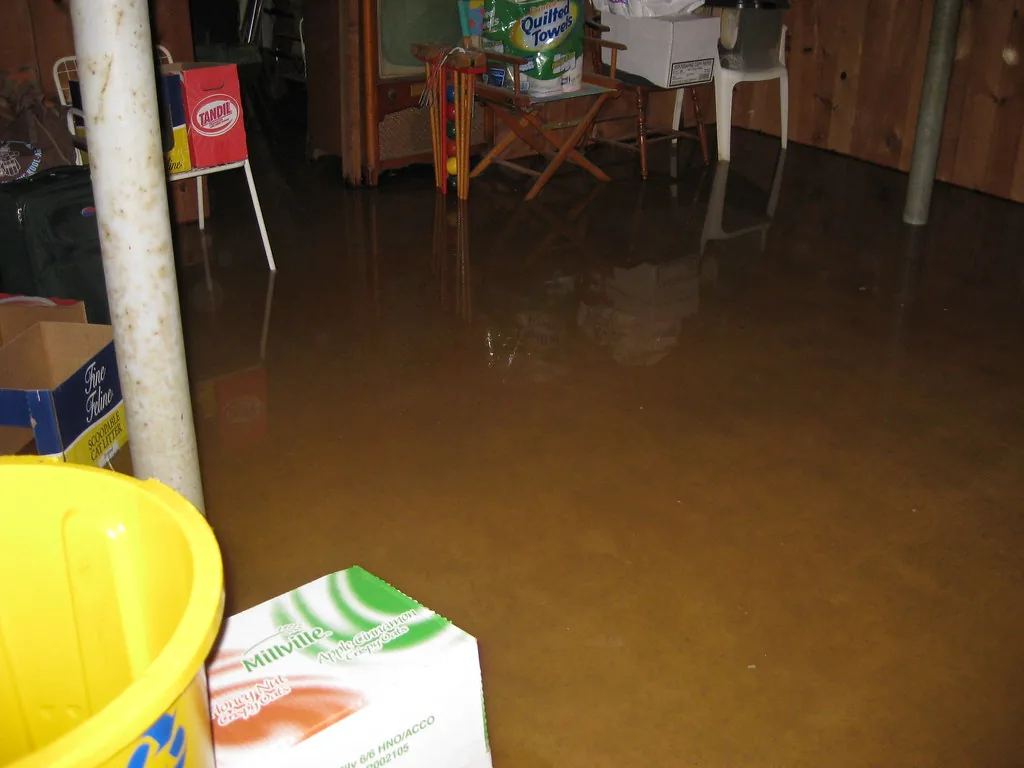
The first thing to do after your basement floods is protect yourself: stay out of standing water that may contact electrical systems, and do not touch the electrical panel or wet equipment while standing in water. If you can do so safely, stop the source of the water, such as shutting off the main water valve for a plumbing flood. Then document everything with photos before anything is moved, because your insurance claim depends on that record. After that, the priority is removing standing water and beginning drying within 24 to 48 hours, which is the window the EPA recommends to help prevent mold growth.
Start with safety, not with mopping
Water and electricity are the immediate danger in a flooded basement, not the water damage itself. If water has reached outlets, the furnace, the water heater, or the electrical panel, do not enter the water. Shut off power to the basement from a dry location if you can do so safely. Ready.gov's flood guidance is explicit on this point: do not touch electrical equipment if it is wet or if you are standing in water.
Also consider what is in the water. Stormwater that entered from outside and any water with a sewage odor should be treated as contaminated. Avoid bare-skin contact, keep children and pets away, and do not try to clean it with household mops and cleaners. Contaminated water requires protective handling, which is one of the clearest reasons to bring in professionals.
Stop the source if you safely can
Once you are safe, the next question is whether water is still coming in. If the flood came from inside the house, a burst supply line, a failed water heater, a washing machine hose, the main water shutoff valve stops it. Know where that valve is before you ever need it; during an active flood is a bad time to go hunting. If the water is coming from outside, from heavy rain, groundwater, or a storm drain, there is usually nothing you can safely do to stop it in the moment. In that case, skip to documentation and water removal.
If your basement relies on a sump pump, check whether it is running. A silent pump during active flooding often means a tripped breaker, a failed pump, or a power outage. Do not reach into a flooded sump pit with your hands.
Document before you touch anything
Before you move a single box, photograph and video everything: the water depth against a wall or a ruler, the apparent source, every damaged area, and the condition of belongings. Open closets and shoot behind furniture. This record is the foundation of any insurance claim, and adjusters cannot evaluate what they cannot see. Keep damaged materials until your insurer has seen them or given you permission to discard them.
Write down the timeline too: when you discovered the water, what the weather was doing, and what steps you took. Memory fades, and a simple log written the same day carries weight later.
Remove water and start drying fast
Standing water should come out as quickly as practical. For small amounts of clean water, a wet/dry vacuum or a portable pump can handle it. For significant depths or any contaminated water, professional extraction is the safer and faster route. The reason for speed is not just the visible water. Moisture migrates into drywall, insulation, flooring, and framing, and the EPA advises drying water-damaged areas and items within 24 to 48 hours to help prevent mold growth.
Drying is not the same as looking dry. Surfaces can feel dry while moisture remains inside wall cavities and under flooring. Proper drying means air movement, dehumidification, and verification with moisture meters, not just fans and hope. If you cannot verify dryness, you cannot be sure the job is done.
When to call for professional help
Call a water damage professional when there is significant standing water, when the water may be contaminated, when the source is unknown, when the basement is finished, or when you cannot verify that drying is complete. You do not need to wait until the situation is catastrophic. Early professional involvement usually means a smaller project, because the damage curve in the first day or two is steep.
If the water came from your plumbing, you may also need a plumber to fix the source itself. The plumber fixes the pipe; the restoration company addresses everything the water touched. Sometimes you need both, and that is normal. If you are dealing with a flooded basement anywhere in Ohio, you can reach MH Restoration at (800) 231-6861.
Frequently Asked Questions
Should I turn off the electricity to the whole house?
Not necessarily the whole house. If you can safely reach the breaker panel from a dry location, shut off power to the basement circuits. If the panel itself is wet or you must stand in water to reach it, do not touch it and call your utility or an electrician.
Can I use my own pump or wet vacuum?
For small amounts of clean water, yes, if it is electrically safe to do so. For deep water, fast-rising water, or anything that may be sewage or stormwater, professional extraction is safer and much faster.
What photos does my insurance company actually need?
Water depth, the source if visible, every damaged room and material, damaged belongings, and the overall scene before cleanup begins. More is better. Video walkthroughs help too. Keep this documentation even if you are unsure about filing a claim.
The water is still rising. What do I do?
Prioritize people, not property. Get everyone, including pets, out of the basement and to a safe area. Do not try to save belongings in rising water. Call for professional help and, if the flooding is severe, your local emergency services.
Should I throw away wet items right away?
Not before documenting them. Photograph damaged belongings first, then move wet items out so they do not keep feeding moisture into the space. Porous items soaked by contaminated water generally cannot be salvaged, but let documentation come first.
Sources
- Ready.gov, Floods: do not touch electrical equipment if it is wet or if you are standing in water; avoid wading in floodwater, which can be contaminated.
- U.S. EPA, Mold guidance: dry water-damaged areas and items within 24 to 48 hours to help prevent mold growth.
- Ohio Department of Insurance, Flood insurance is not included in routine homeowner and renter's policies; document losses and check coverage before assuming.
Related Guides
- What Documents Do I Need for Flood Damage Insurance Claims?
- How Quickly Will Professionals Respond to a Basement Flood?
- What's the Difference Between Water Cleanup and Water Restoration?
Related Services
Questions About Basement Flooding?
Call MH Restoration at (800) 231-6861, serving 909 Ohio communities.
(800) 231-6861Call Now