What's the Difference Between Water Cleanup and Water Restoration?
Water cleanup, usually called mitigation, stops the damage: extracting water, removing unsalvageable materials, drying the structure, and verifying dryness. Water restoration rebuilds what was removed: replacing drywall, flooring, and finishes. Mitigation comes first and moves fast because mold risk rises within days; restoration follows only after dryness is verified. They are genuinely different scopes of work, often with separate estimates and timelines, and understanding the distinction helps you evaluate quotes and plan the full project.
Mitigation: Stop the Damage
Mitigation is the emergency phase, and its goal is to halt the damage curve. It includes assessment and moisture mapping, standing water extraction, removal of materials that cannot be dried in time, structural drying with dehumidification, cleaning and sanitizing, and verification with moisture meters. Everything in this phase serves one purpose: getting the structure dry and stable before mold and deterioration compound the loss. The EPA's guidance to dry water-damaged areas within 24 to 48 hours is fundamentally a mitigation timeline, which is why this phase cannot wait for scheduling convenience.
Mitigation typically involves several days of active work plus the drying period, during which technicians return to monitor and adjust. Your role during this phase is straightforward but important: provide access for monitoring visits, make timely decisions when technicians ask about removing specific materials, and keep documenting. Delays in homeowner decisions, such as waiting days to approve necessary drywall removal, extend the drying timeline and give mold more opportunity. The phase moves at the speed of decisions as much as equipment, so staying reachable during mitigation week pays off directly.
Restoration: Put It Back
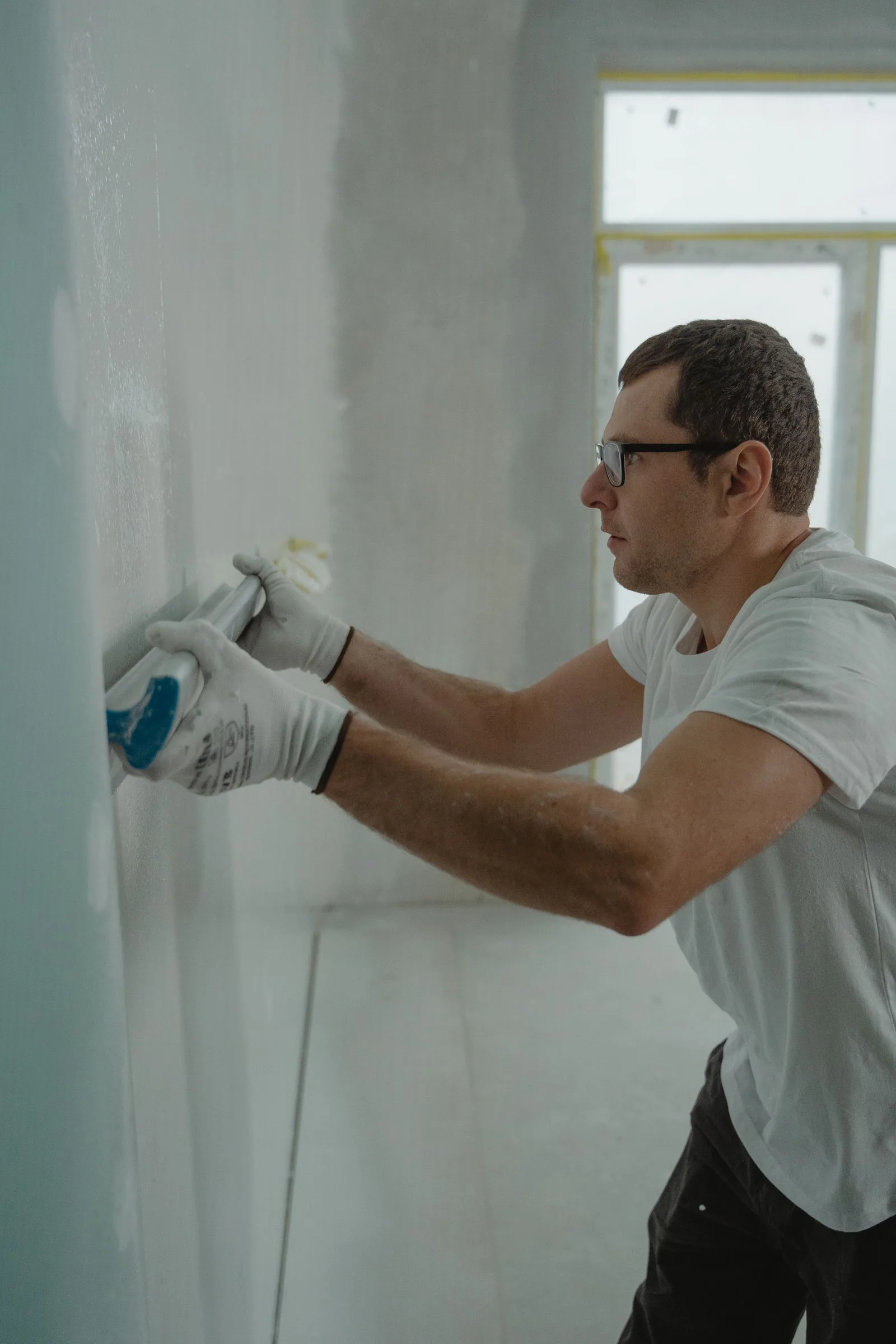
Restoration is the rebuild phase: hanging new drywall, replacing insulation and flooring, reinstalling trim and baseboards, repainting, and returning the space to its pre-loss condition. It is closer to remodeling work than emergency work, and it proceeds at a deliberate pace with material selection, scheduling, and finish quality as the priorities. Some homeowners use the opportunity to upgrade finishes or improve on the original layout, which is a reasonable choice once the emergency has passed and the structure is verified dry.
Why the Order Is Non-Negotiable
Restoration must wait for verified dryness, full stop. Rebuilding over damp framing, wet subfloors, or moist wall cavities seals moisture inside the assembly, where it feeds mold and rots materials out of sight. This is the most expensive sequencing mistake in flood recovery, because it means paying for the rebuild twice: once to install it, and again to tear it out when the trapped moisture causes failure. Moisture meter readings, not touch tests or elapsed time, are what clear a structure for rebuild. Any contractor willing to close walls over unverified moisture is one to avoid.
How the Two Phases Show Up in Your Project
In practice, you will often see two scopes, two timelines, and sometimes two crews. Mitigation may take several days of drying and monitoring; restoration may take weeks depending on the extent of rebuild and material lead times. Estimates should separate the phases clearly so you can see what each costs and what triggers the handoff between them. Insurance claims frequently treat them as distinct line items as well. When comparing companies, make sure you know whether a quote covers mitigation only or the full journey back to a finished basement.
What This Means for Your Decisions
Understanding the split protects you at three decision points. First, when hiring: ask whether the company handles both phases or hands off restoration, and what the handoff looks like. Second, when reviewing estimates: confirm which phase each line item belongs to, so a low mitigation bid is not hiding an unquoted rebuild. Third, during the project: do not let eagerness to get your basement back rush the drying verification. The pause between phases feels slow, but it is the cheapest insurance in the entire project.
Common Points of Confusion
A few related terms cause steady confusion. Mold remediation is neither pure mitigation nor pure restoration; it is its own scope that typically happens after drying and before rebuilding. Contents cleaning, the specialized cleaning of your belongings, is often a separate service from structural work entirely. Drying after a flood is not the same as running a dehumidifier for a generally damp basement; one is emergency moisture removal from saturated materials, the other is ongoing humidity management. And restoration in an insurance context may have specific contractual meaning that differs from everyday use, so when an adjuster uses the term, ask what scope they are describing. Clearing up terminology early prevents talking past each other for the rest of the project.
Frequently Asked Questions
Can one company handle both cleanup and restoration?
Often yes. Many restoration companies perform mitigation first and then rebuild, which keeps accountability in one place. Some specialize in mitigation only and hand off the rebuild. Either model works as long as the handoff includes verified drying documentation.
Do I have to restore the basement, or can I leave it unfinished?
You can leave mitigation-complete spaces unfinished; there is no requirement to rebuild. Some homeowners pause between phases for budget reasons. Just make sure the space is verified dry and consider what unfinished surfaces mean for future moisture monitoring.
How long is the gap between mitigation and restoration?
It varies from days to weeks depending on drying time, material availability, and scheduling. The gap should be driven by verified dryness and readiness, not by an arbitrary calendar.
Is mold remediation part of cleanup or restoration?
It sits between them. Remediation addresses established mold growth and typically follows mitigation's drying work but precedes restoration's rebuild. If mold is found, it gets its own scope before walls are closed up.
Will my basement look the same after restoration?
It should look as good or better, assuming like-kind materials. Restoration is also an opportunity to upgrade flooring, improve lighting, or rethink the layout, since the space is already opened up.
Sources
- U.S. EPA: What Is Mold?, The 24 to 48 hour drying guidance that drives the mitigation timeline.
- Ready.gov: Floods, FEMA after-flood guidance on safe cleanup sequencing.
Related Guides
- What Should I Remove From My Flooded Basement?
- How Long Does Basement Flood Cleanup Take?
- Do I Need to Replace Carpet After Basement Flooding?
Related Services
Questions About Basement Flooding?
Call MH Restoration at (800) 231-6861, serving 909 Ohio communities.
(800) 231-6861Call Now