How Long Before a Flooded Basement Can Be Used Again?
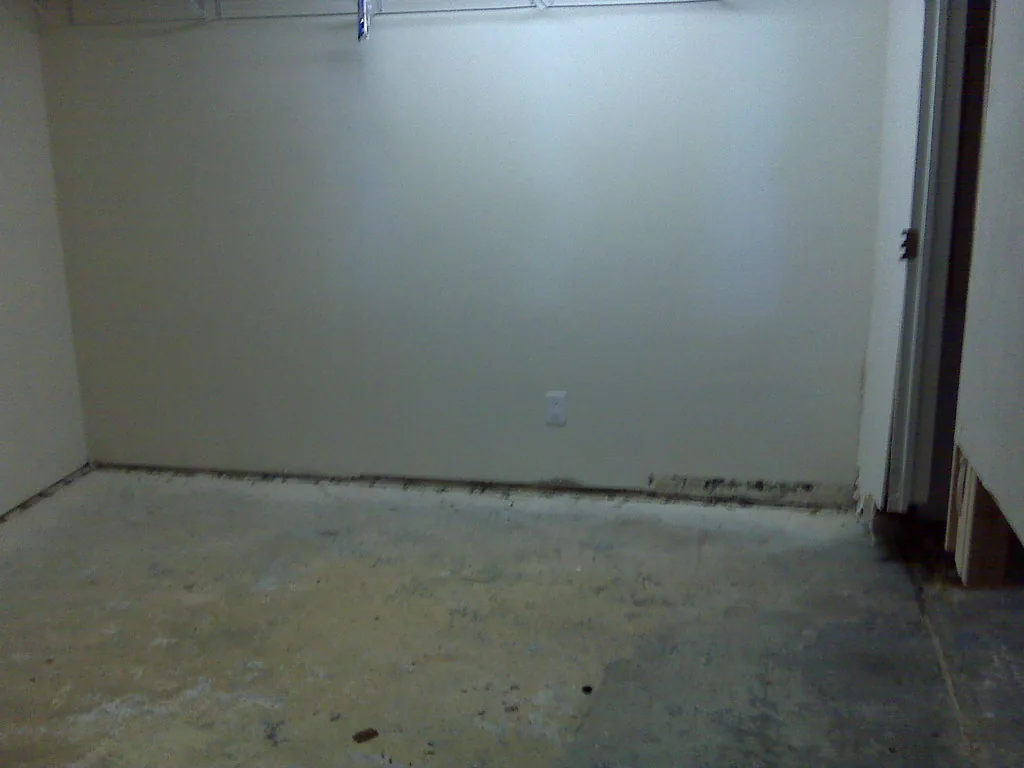
There is no fixed timeline, because usability depends on what got wet, how badly, and whether the water was contaminated. A small clean-water spill on a concrete floor can be usable within days; a finished basement with saturated drywall and insulation after contaminated flooding can take weeks including demolition, drying, and restoration. The milestone that matters is verified dryness: moisture readings confirming affected materials reached their dry standards, not just surfaces that feel dry. Anyone promising an exact date before assessing the loss is guessing.
What has to happen before normal use
Usability is not one event but a sequence. First the water is extracted and the source controlled. Then unsalvageable materials are removed, because drying cannot happen through saturated drywall and insulation that will never release their moisture in time. Then controlled drying runs until moisture meters confirm the remaining materials reached their targets. Then cleaning and sanitizing appropriate to the water category. Only then does restoration, replacing what was removed, begin. Skipping or compressing these stages is how basements end up usable-looking but moisture-damaged underneath, which is worse than waiting longer.
The 24 to 48 hour window shapes everything
The EPA's guidance sets the fundamental clock: water-damaged areas and items should be dried within 24 to 48 hours to prevent mold growth. This does not mean the basement is usable in 48 hours; it means the work that prevents a mold problem must start within that window. Every day of delay expands the scope: more materials cross from dryable to removable, and the project grows. Fast extraction followed by prompt drying is the single biggest factor compressing the overall timeline, which is why the first day matters disproportionately.
Materials set the pace
Different materials dry on different schedules, and the slowest one governs. Concrete and solid framing release moisture slowly but can usually be dried in place. Drywall that wicked water upward and wet insulation generally come out rather than being dried, which actually speeds things up by removing moisture reservoirs. Carpet and padding after contaminated water are removals, not drying projects. Finished basements take longer than unfinished ones for a simple reason: more layers, more hidden spaces, more materials that must each be verified. An unfinished concrete basement with a clean-water spill is the fastest scenario; a finished basement with contaminated water is the slowest.
Contamination adds stages, not just time
When the water was sewage or exterior floodwater, usability requires more than dryness. Contaminated porous materials are removed rather than cleaned, all affected surfaces are sanitized, and the space must be verified both dry and clean. Ready.gov's after-flood guidance underscores the contamination reality, advising people to avoid wading in floodwater because it can be contaminated and contain dangerous debris. These added stages are non-negotiable for health reasons, and they extend the timeline beyond what a clean-water loss of the same size would need. This is another reason accurate water categorization at the start matters so much.
How to know it is actually ready
The basement is usable again when four conditions are met: moisture readings confirm previously wet materials reached their dry standards; there is no persistent musty odor suggesting hidden moisture; all contamination-appropriate cleaning is complete; and any removed materials have been restored or the space is intentionally left unfinished. The first three are about the loss; the fourth is about your plans. If a contractor declares the space ready but cannot show you moisture readings, the declaration is an opinion, not a verification. Ask for the numbers.
What to do while you wait
The drying period is not dead time. Use it to keep your insurance claim moving: send your photos and notes to your insurer early, keep receipts for any emergency spending, and ask specifically about coverage questions rather than assuming answers. This is also the right window to plan the restoration sensibly instead of rushing it. If drywall is coming out anyway, consider whether this is the moment to add the improvements that reduce the next flood: a battery backup for the sump pump, a backflow valve if sewer backup was involved, or better exterior drainage. Decisions made calmly during drying beat decisions made frantically during the next storm, and the disruption is already happening, so bundling prevention into restoration is efficient.
Frequently Asked Questions
Can we sleep in the basement bedroom during drying?
Not while equipment is running and materials are still wet. Drying equipment is loud, the space is a work zone, and moisture levels are elevated. Once drying is verified complete and the space is cleaned, normal use can resume.
Does running my own fans speed things up?
Fans help only as part of a managed process. Air movement without dehumidification in a humid basement can actually slow drying by keeping the air saturated. Professional drying balances air movement, dehumidification, and temperature together, which is why the equipment package matters more than any single fan.
Why does my neighbor's basement take longer than mine did?
Because the losses were different. Water category, depth, duration, materials, and whether hidden moisture was found all change the timeline dramatically. Comparing timelines across different floods is comparing different projects.
Can I start rebuilding before drying is verified?
This is one of the most expensive mistakes in flood recovery. Closing walls over damp framing or laying flooring over a moist slab traps the moisture and guarantees a second project, usually involving mold. Rebuilding starts after verification, never before.
Sources
- U.S. Environmental Protection Agency, Mold guidance: dry water-damaged areas within 24-48 hours
- Ready.gov, FEMA after-flood guidance on contaminated floodwater
Related Guides
- Can I Clean Up a Flooded Basement Myself or Should I Hire Someone?
- How Long Can Water Sit in a Basement Before Mold Grows?
- Will My Homeowners Insurance Cover Basement Flooding?
Related Services
Questions About Basement Flooding?
Call MH Restoration at (800) 231-6861, serving 909 Ohio communities.
(800) 231-6861Call Now