Can I Clean Up a Flooded Basement Myself or Should I Hire Someone?
A very small flood from a clean source, like a supply hose that you catch quickly in an unfinished basement, can sometimes be handled yourself if the water is shallow, the electricity is safe, and you can genuinely verify that everything dried. Most basement floods, though, are better handled professionally, because the hard part is not removing the visible water but finding and eliminating the hidden moisture inside walls, under flooring, and in insulation. If the water may be contaminated, the basement is finished, or you cannot verify dryness with proper equipment, professional help is the safer choice.
When DIY may be reasonable
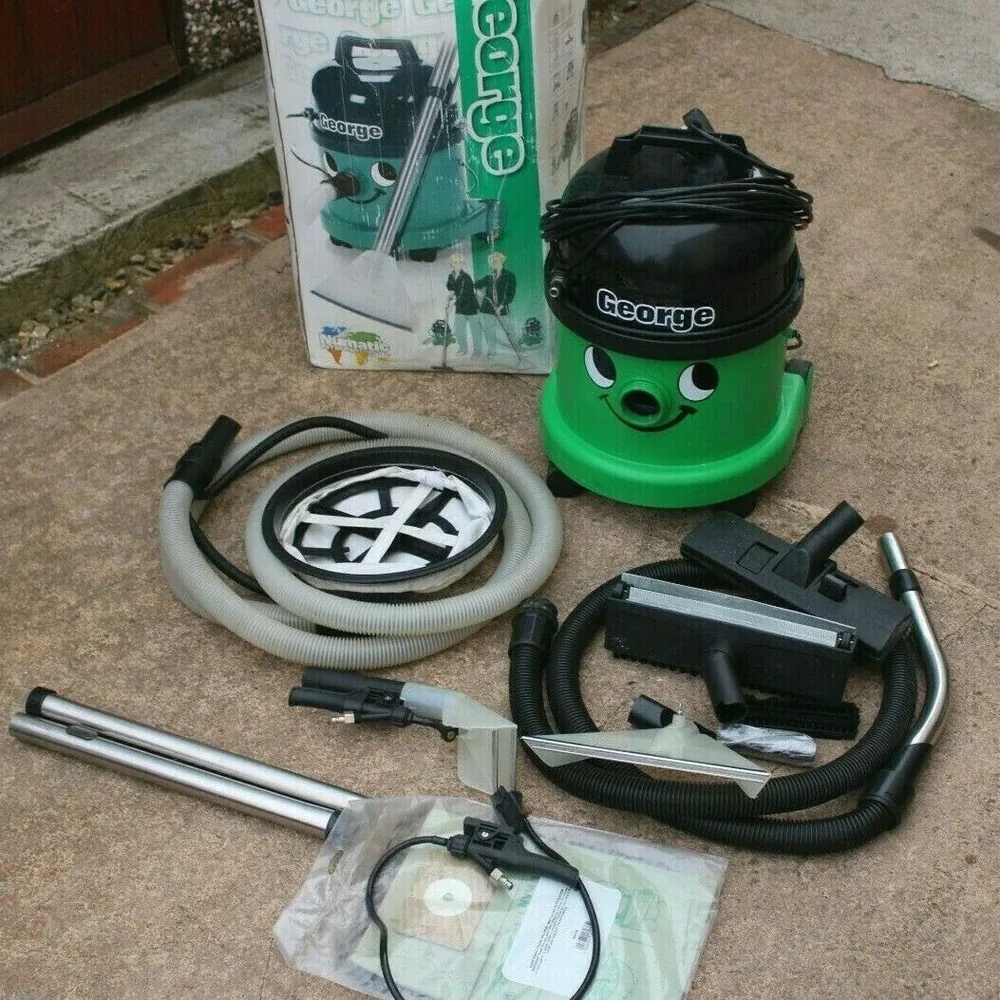
There is a narrow set of situations where handling it yourself is defensible. The water comes from a clean source you have already stopped, such as a washing machine supply hose or a sink overflow. The amount is small, an inch or less over a limited area. The basement is unfinished, with a concrete floor and no wet drywall or insulation. The electrical situation is safe. And you have the means to actually dry the space, not just mop it: a wet vacuum, fans, and a dehumidifier, plus a way to confirm dryness.
Even then, treat it as a project, not a chore. Remove the water, pull up any wet rugs, get air moving, run dehumidification, and keep at it for several days. The EPA's guidance applies to DIY efforts too: water-damaged areas should be dried within 24 to 48 hours to help prevent mold growth.
When professional help becomes the better decision
Call a professional when any of these are true: there is significant standing water, the water may be sewage or stormwater, the source is unknown or still active, the basement is finished, water has wicked up drywall or gotten under flooring, or you smell persistent dampness after your own efforts. Each of these signals a scope beyond what household equipment and guesswork can resolve.
Contamination is the clearest dividing line. Sewage and exterior floodwater carry bacteria and other pathogens, and porous materials they touch generally need to be removed rather than cleaned. That requires protective equipment, containment thinking, and proper disposal, none of which a mop and a fan provide.
What DIY efforts usually miss
The consistent failure in DIY flood cleanup is hidden moisture. Water wicks upward into drywall, seeps behind paneling, soaks carpet padding, and settles beneath vinyl or laminate flooring. The surface looks and feels dry within a day or two, while the inside of the wall cavity stays wet for weeks. That is where mold grows and where odors come from months later.
Professionals find this moisture with meters that read inside materials, and they dry to verified targets rather than to the touch test. Verification is the difference between a basement that is dry and a basement that merely looks dry. If you DIY, understand that without that verification step, you are accepting uncertainty about what is happening inside your walls.
The honest cost comparison
DIY looks cheaper until it is not. Renting equipment, buying fans and a dehumidifier, replacing materials you damage during demolition, and your own time add up. And if hidden moisture leads to mold months later, the remediation project dwarfs what the original professional cleanup would have cost. Professional basement flood cleanup in Ohio generally falls in the $1,000 to $12,000 range depending on the project, and early professional involvement tends to land near the lower end because fast, complete drying prevents the secondary damage that drives costs up.
There is also the insurance angle. If you plan to file a claim, professional documentation, moisture logs, photos, and an itemized scope, strengthens your position considerably compared to a self-cleaned basement with no records.
A practical way to decide
Ask yourself three questions. First, is the water clean and the source stopped? If not, call someone. Second, is the affected area small, unfinished, and fully accessible? If not, call someone. Third, can I verify the space is truly dry when I finish, not just surface-dry? If not, call someone. If you answer yes three times, DIY is reasonable. Anything else deserves at least a professional assessment, which is a smaller commitment than a full cleanup and gives you a factual basis for the decision.
Frequently Asked Questions
Is renting a dehumidifier and some fans enough?
Sometimes for a genuinely small, clean-water incident. For anything larger, household and rental equipment usually cannot move enough air or pull enough moisture to dry wall cavities and subflooring within the 24 to 48 hour window that matters.
Can I just bleach everything and call it done?
Bleach does not fix the underlying problem, which is moisture inside materials. Surface bleaching can also create a false sense of security while mold grows where you cannot see it. Drying and, where needed, removal of unsalvageable materials is what actually resolves it.
How do I know if my DIY drying actually worked?
Without a moisture meter, you cannot know for sure. Warning signs of incomplete drying include persistent musty odors, discoloration appearing weeks later, and paint bubbling. If any of those show up, the moisture was never fully resolved.
Will my insurance cover a flood I cleaned up myself?
Possibly, if the cause is a covered peril, but self-cleaned losses are harder to document. Photograph everything before and during your work, keep receipts for equipment and materials, and notify your insurer promptly. Professional documentation is stronger, which is one more reason to consider it.
At what point should I stop DIY and call?
Stop and call if you find the water is deeper or more widespread than you thought, if there is any sewage odor or discoloration, if drywall is soft or swollen, if you cannot get the space drying within a day, or if a musty smell persists after drying. Those are all signs the scope exceeds DIY.
Sources
- U.S. EPA, Mold guidance: the key to mold control is moisture control; dry water-damaged areas within 24 to 48 hours.
- Ready.gov, Floods: avoid wading in floodwater, which can be contaminated and contain dangerous debris; do not touch wet electrical equipment.
Related Guides
- Do I Need to Call a Plumber or a Water Damage Company?
- What's Included in a Basement Flood Damage Estimate?
- How Can I Speed Up Basement Drying After Flooding?
Related Services
Questions About Basement Flooding?
Call MH Restoration at (800) 231-6861, serving 909 Ohio communities.
(800) 231-6861Call Now