How Do Water Mitigation Companies Prevent Mold?
Water mitigation companies prevent mold primarily by removing moisture quickly and completely, not by spraying chemicals. The EPA states that the key to mold control is moisture control, which is why professional work focuses on extracting standing water, removing materials that cannot be dried in time, creating controlled drying conditions, and verifying dryness with meters. Antimicrobial treatments can play a supporting role on cleanable surfaces, but they cannot substitute for drying. If a company promises mold prevention without explaining how it verifies dryness, that is a gap worth asking about.
Prevention Starts With a Simple Idea
Mold needs moisture to grow, so the entire prevention strategy is built around eliminating moisture fast. The EPA puts it plainly: the key to mold control is moisture control. Everything a mitigation company does in the first days after a flood serves that single goal. This is worth understanding because it reframes what you are paying for: not a magic spray, but speed, thoroughness, and verification. Companies that talk mostly about their antimicrobial products and little about drying science have the emphasis backwards.
Step One: Get the Water Out Fast
Standing water is removed as quickly as possible using pumps and extraction equipment, because every hour water sits is an hour materials stay saturated. This step also reveals what is underneath: once visible water is gone, technicians can see which materials are wet and how far the moisture spread. Fast extraction shortens the total drying time, which is what keeps the project inside the EPA's 24 to 48 hour window for preventing mold growth. This is also why mitigation companies prioritize active water intrusion first: there is no point drying a basement that is still taking on water.
Step Two: Remove What Cannot Be Dried in Time
Some materials will not dry before mold begins, and professionals remove them rather than hoping for the best. Wet carpet padding, saturated insulation, swollen particleboard, and waterlogged sections of drywall are typical removals. The EPA advises discarding materials that are wet and cannot be thoroughly cleaned and dried within 24 to 48 hours. This step often surprises homeowners because it can look destructive, but leaving wet porous materials in place behind a freshly dried surface is one of the most common causes of mold appearing weeks later.
Step Three: Create Controlled Drying Conditions
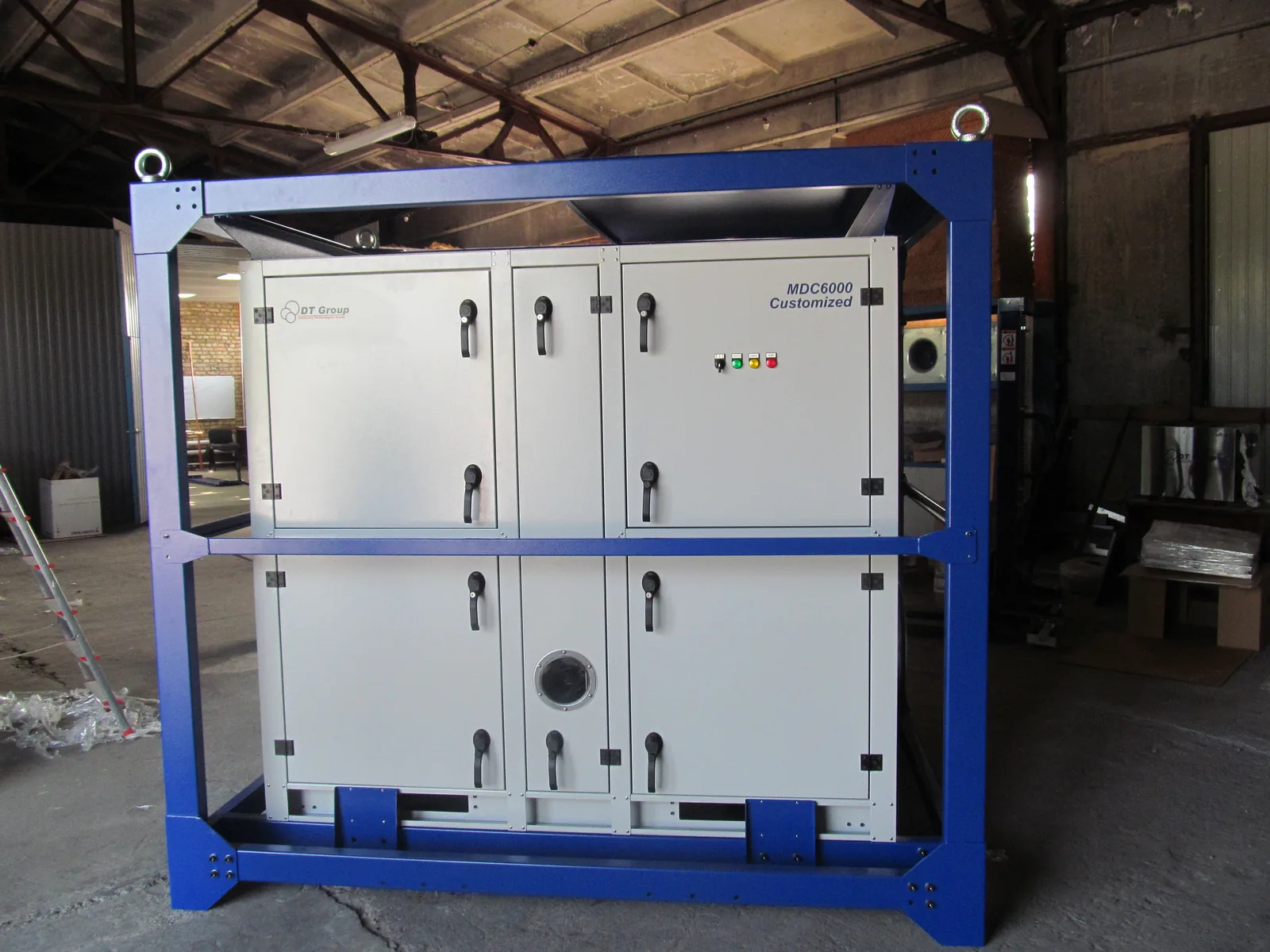
After extraction and selective removal, the remaining structure is dried under controlled conditions. This means moving large volumes of air across wet surfaces, running dehumidification equipment to pull moisture from the air, and sometimes adding heat, because warm dry air absorbs moisture faster. The equipment is positioned deliberately and adjusted over the drying period based on readings, not left running on a timer and hoped for the best. Drying is monitored, and the process continues until measurements confirm the job is done.
A detail worth knowing: drying is rarely linear. Readings often drop quickly at first, then plateau for a day or two as moisture deep inside materials works its way out, then drop again. That plateau is normal, and it is exactly why technicians return to re-measure and reposition equipment rather than setting everything on day one and disappearing. If a company proposes a fixed number of drying days without mentioning follow-up readings, ask how they will know the job is done, because the calendar cannot answer that question, only the meter can.
Step Four: Verify Dryness, Don't Guess
The step that separates professional mitigation from a fan in the corner is verification. Technicians use moisture meters to take readings from walls, floors, and framing, comparing them against dry standards for each material. Work is considered complete when readings confirm materials are dry, not when surfaces feel dry to the touch. Ask any company you consider how it verifies dryness and whether you will see the readings. A company that cannot describe its verification process is asking you to trust an outcome it does not measure.
What Homeowners Get Wrong About Mold Prevention
Several well-meaning mistakes are common. Painting over water stains with regular paint seals the stain from view but does nothing about moisture behind it, and mold continues growing underneath. Relying on bleach disinfects surfaces but cannot dry out soaked drywall or insulation. Assuming a dry surface means a dry wall is the most expensive error: moisture meters exist precisely because touch tests fail. Closing walls back up quickly to get life back to normal traps whatever moisture remains. And running a single household fan and calling it drying leaves wall cavities and subfloors wet. Each of these feels like action, but none of them addresses moisture where it actually hides.
Frequently Asked Questions
Will spraying bleach prevent mold after a flood?
Bleach disinfects hard, non-porous surfaces but does not prevent mold in porous materials, and it does nothing about trapped moisture. Drying is the prevention; disinfectants are at most a supporting step on surfaces that can actually be cleaned.
Do I need professional mold testing after mitigation?
Not always. If drying was fast, thorough, and verified with meter readings, testing adds little. Testing makes more sense when there are persistent odors, visible growth, health symptoms, or uncertainty about whether an area dried completely.
Can I prevent mold with just a dehumidifier?
A dehumidifier helps, but on its own it usually cannot dry saturated walls, subfloors, or wall cavities in time. Professional drying combines air movement, dehumidification, and often removal of unsalvageable materials, because moisture trapped inside assemblies needs more than ambient dehumidification.
How do I know my basement is actually dry?
Surfaces feeling dry is not enough. Moisture meters measure water content inside materials, and readings should be compared against known dry standards for wood, drywall, and concrete. Ask for the readings in writing as part of the completed job documentation.
What if I already see mold growing?
Small areas of surface mold on hard materials can sometimes be cleaned, but mold on or inside porous materials like drywall and insulation generally means those materials need removal. Widespread or hidden mold is a remediation question, which is a different scope of work from initial water mitigation.
Sources
- U.S. EPA: What Is Mold?, The key to mold control is moisture control, plus the 24 to 48 hour drying rule.
- Ready.gov: Floods, FEMA after-flood guidance on safe cleanup practices.
Related Guides
- Will My Homeowners Insurance Cover Basement Flooding?
- How Fast Does Mold Grow After a Basement Flood?
- What Should I Remove From My Flooded Basement?
Related Services
Questions About Basement Flooding?
Call MH Restoration at (800) 231-6861, serving 909 Ohio communities.
(800) 231-6861Call Now