How Fast Does Mold Grow After a Basement Flood?
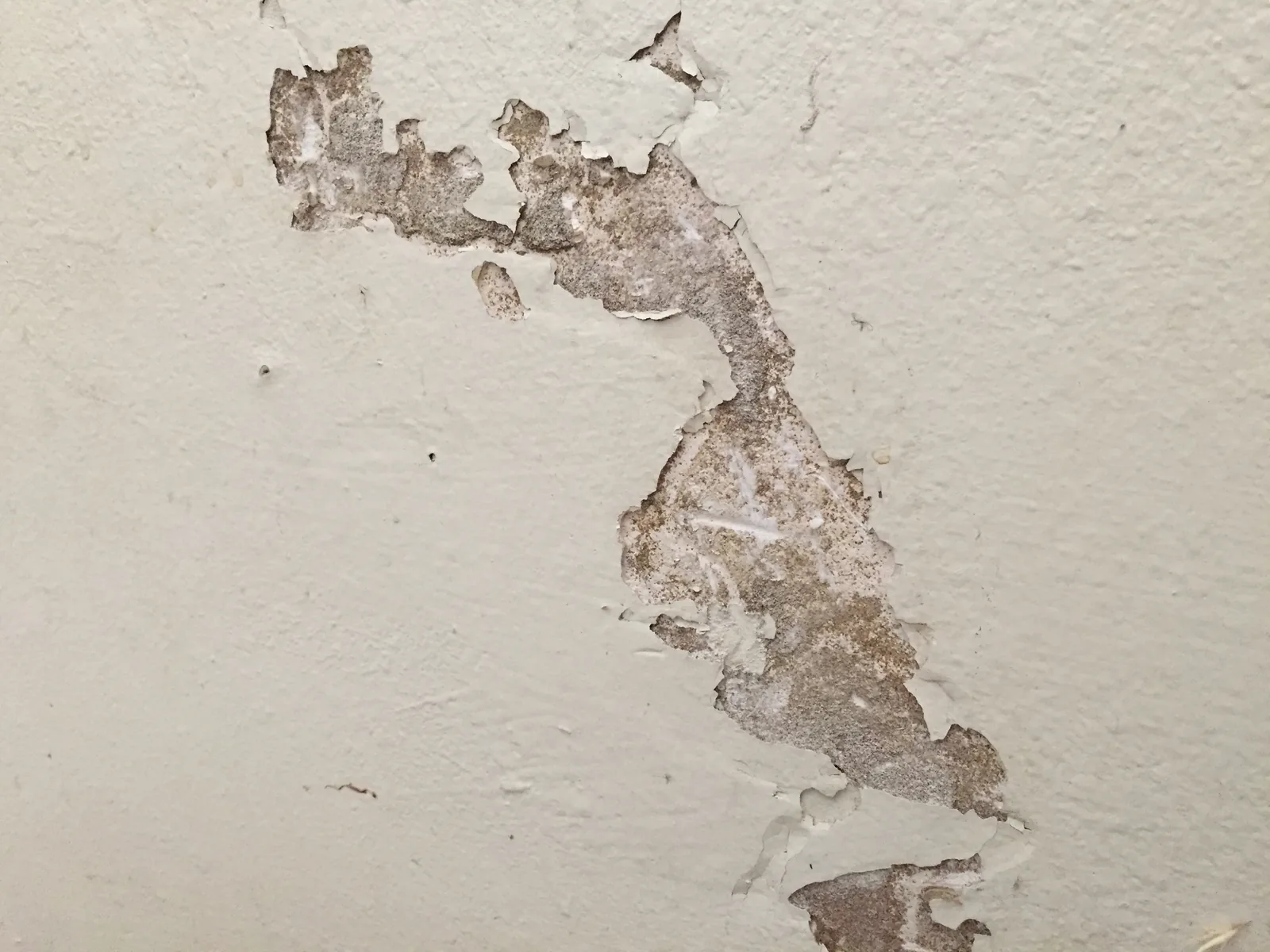
There is no single number for how fast mold grows after a basement flood, because speed depends on moisture, temperature, the materials involved, and airflow. Under warm, humid conditions with wet organic materials like drywall paper or carpet, microbial growth can begin within the 24 to 48 hour window the EPA identifies for drying. In cooler, drier conditions with prompt dehumidification, it takes longer. The honest answer is that the timeline is variable, which is exactly why the guidance focuses on how fast you dry, not on predicting when mold appears.
Why no honest source gives you one number
You will see plenty of websites state a precise figure as if mold carried a stopwatch. That precision is false. Mold growth is a biological process driven by conditions, and those conditions vary enormously between two flooded basements. A finished basement at 78 degrees with soaked drywall and no airflow is a completely different environment from an unfinished basement at 62 degrees with a dehumidifier running and fans moving air. Any source that gives you one number for both is simplifying past the point of usefulness.
What the EPA actually says is more careful and more useful: the key to mold control is moisture control, and water-damaged areas should be dried within 24 to 48 hours to help prevent mold growth. Read that as an action standard. Your job is to get the space dry inside that window. Whether mold would have appeared at hour 30 or hour 60 in your specific basement is unknowable and, frankly, beside the point.
The conditions that accelerate growth
Four things make mold grow faster. Sustained moisture is first and non-negotiable; without it, nothing happens regardless of the other three. Warmth speeds the biology, which is why summer floods in humid Ohio basements deserve the fastest response. Food means organic material: drywall paper facing, wood framing, carpet and padding, cardboard, dust, even the residues on concrete. Still air lets humid microclimates persist against wet surfaces. When all four are present, which is the normal state of a flooded finished basement left alone, growth can begin quickly.
Contaminated water compresses the timeline further and changes the response. Sewage and exterior floodwater bring far more biological load than clean water, so the question shifts from drying alone to removal of contaminated porous materials plus sanitizing.
The conditions that buy you time
The flip side matters too, because it tells you what effective early action looks like. Rapid dehumidification that pulls the air dry works against growth even while materials are still damp. Strong air movement across wet surfaces shortens total wet time by accelerating evaporation. Cool temperatures slow the biology. And promptly removing the wettest, most vulnerable materials, saturated carpet padding first, eliminates the easiest food sources. None of these are substitutes for complete drying, but together they stretch the safe window.
What growth actually looks like in a basement
Early mold is easy to miss, which is part of the danger. It often appears as small discolored spots, gray, green, black, or white, on the lower sections of drywall, behind baseboards, or on the back of stored items. A musty, earthy odor is frequently the first sign, sometimes before anything is visible. By the time you see large patches, the growth has usually been underway for a while and the moisture problem behind it is well established.
The critical thing to understand is that visible mold is a symptom of a moisture problem, not the whole problem. Cleaning the visible spots without resolving the moisture that fed them guarantees a return visit. Proper response addresses the water first, then the affected materials, then verification that the space is dry.
Health questions deserve a careful answer
People naturally worry about health effects, and the responsible answer is to avoid both panic and dismissal. Mold exposure affects people differently, and anyone with concerns about symptoms, especially children, elderly family members, or anyone with asthma, allergies, or immune conditions, should talk to a healthcare provider rather than relying on a restoration article. What a restoration article can tell you is the practical side: limit exposure by not spending time in affected areas, do not try to scrape or sand visible growth yourself, since that spreads spores, and keep the space ventilated while professionals address it.
Frequently Asked Questions
If I dried everything in two days, can mold still appear later?
It is unlikely if the drying was complete and verified. The risk case is drying that was only superficial: surfaces dry while wall cavities or subflooring stay wet. That hidden moisture can support growth weeks later. Verification with moisture meters is what closes this gap.
Can I just bleach visible mold and be done?
Bleach treats the surface, not the cause. On porous materials like drywall, it does not reach growth inside the material, and the moisture that fed it remains. The correct sequence is resolve the moisture, remove unsalvageable materials, clean properly, and verify dryness.
Does mold only grow in summer?
No. Warmth accelerates growth, but heated basements in winter provide warmth too, and the moisture is what matters most. Ohio's humid summers make fast response especially important, but no season makes a wet basement safe to ignore.
How do I know if there is mold I cannot see?
Persistent musty odors after drying, discoloration appearing on walls weeks later, and moisture meter readings that stay elevated inside wall cavities are the main indicators. A professional moisture assessment can find what eyes cannot.
Is all basement mold dangerous?
Mold exposure affects people differently, and this article cannot assess health risk for your household. For health questions, consult a healthcare provider. For the building question, any active growth signals unresolved moisture, and that always needs addressing regardless.
Sources
- U.S. EPA, Mold guidance: the key to mold control is moisture control; dry water-damaged areas within 24 to 48 hours. Page last updated September 8, 2026.
- Ready.gov, Floods: after flooding, avoid wading in floodwater which can be contaminated; move valuables to higher levels before water arrives.
Related Guides
- What Happens If I Don't Clean Up a Flooded Basement Right Away?
- How Much Water in My Basement Requires Professional Help?
- What's Included in Professional Basement Flood Cleanup?
Related Services
Questions About Basement Flooding?
Call MH Restoration at (800) 231-6861, serving 909 Ohio communities.
(800) 231-6861Call Now