Do I Need to Replace Carpet After Basement Flooding?
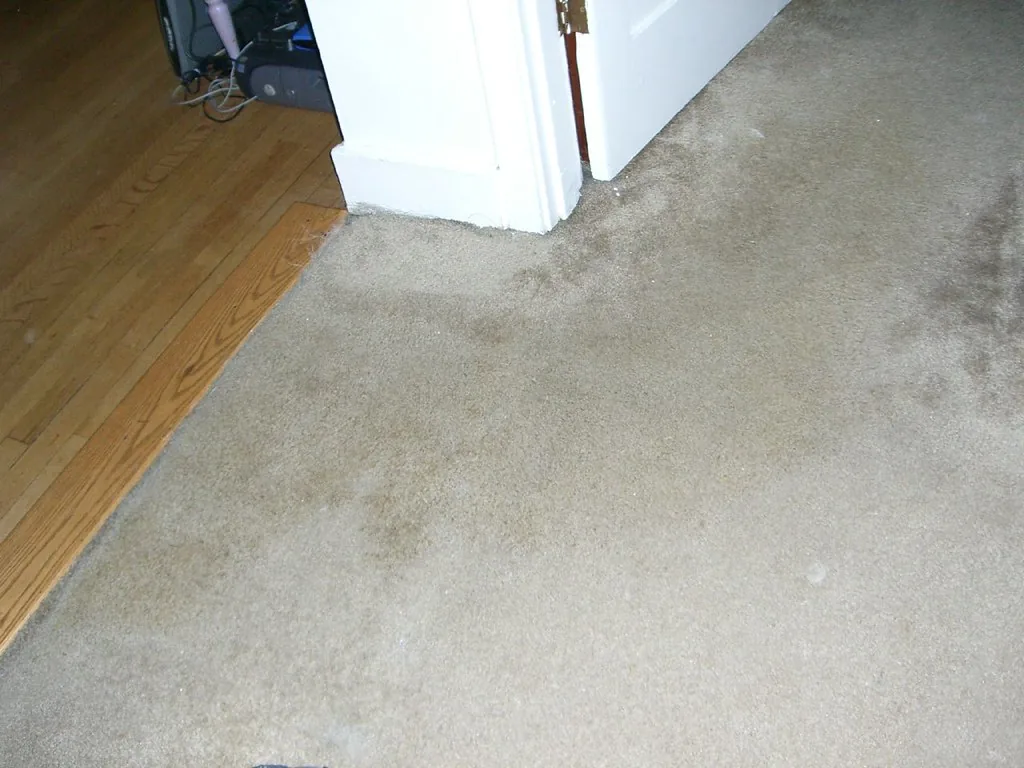
Carpet padding almost always needs to be replaced after a basement flood, because it acts like a sponge, holds water against the subfloor, and cannot be reliably dried or sanitized. The carpet itself depends on three things: what kind of water hit it, how long it stayed wet, and how quickly professional drying began. Carpet soaked by sewage or exterior floodwater should generally be removed, while carpet wet by clean water and dried professionally within 24 to 48 hours can sometimes be saved. When in doubt, the padding goes regardless, and the carpet gets an honest assessment.
Why the padding is the real problem
Wall-to-wall carpet is a system: carpet on top, padding beneath, subfloor below. The padding is the weak link. It absorbs and holds water far longer than the carpet fibers above it, it presses that moisture against the subfloor for days, and its structure breaks down when saturated. Even when the carpet surface feels dry, the padding underneath can remain wet enough to grow mold and produce the musty odor that lingers for months. This is why professionals treat padding as essentially disposable after any significant flood. Replacing padding is also relatively inexpensive compared to the problems that keeping it causes.
When the carpet itself can be saved
The salvageable case is narrow but real. The water was clean, from a supply line or appliance hose, not stormwater or sewage. The amount was limited and you responded fast, with professional extraction and drying beginning within the first day or two. The carpet is pulled back so the padding beneath can be removed and the subfloor dried directly. Under those conditions, many carpets can be dried, cleaned, and reinstalled over new padding successfully.
Area rugs follow similar logic with one advantage: they can be taken out of the basement entirely, which makes thorough drying far easier. A valuable area rug wet by clean water is often worth professional rug drying rather than replacement.
When the carpet has to go
Remove the carpet when the water was sewage or exterior floodwater, because contaminants bind to fibers in ways cleaning cannot reliably reverse. Remove it when it stayed wet for days, since prolonged saturation breaks down backing and invites mold deep in the pile. Remove it when there is visible mold growth through the carpet, or when a musty odor persists after professional drying attempts. And remove it when delamination, the separation of the carpet face from its backing, has occurred, since the carpet is structurally finished at that point regardless of cleanliness.
What about the subfloor underneath
The subfloor question is easy to overlook and expensive to get wrong. Concrete subfloors need thorough drying but are generally salvageable. Wood subfloors that absorbed significant water can swell, warp, or delaminate, and may need partial replacement. This assessment requires the carpet and padding to be up, which is another reason professionals pull flooring early rather than trying to dry through it. Drying through carpet and padding is slow, unreliable, and often leaves the subfloor wet longest, exactly the wrong outcome.
What professional carpet drying involves
When carpet is a candidate for saving, professionals do not just run a fan over it. The carpet is pulled back from the tack strips so the wet padding beneath can be removed entirely. The subfloor is dried directly with air movers and dehumidification, and moisture readings confirm it before anything goes back down. The carpet itself is extracted with professional equipment, which pulls far more water than a rental machine, then dried flat with airflow on both sides where possible. Only after the subfloor reads dry is new padding installed and the carpet re-stretched. Skipping any of these steps, especially reinstalling over the old padding, is what turns a salvageable carpet into a mold problem.
The insurance angle
Whether replacement is covered depends on your policy and the cause of the water, the same rules discussed in our insurance guide. Document the carpet's condition before removal, keep samples if the adjuster wants them, and do not discard anything until you have permission. If the flood itself is a covered loss, the flooring replacement is typically part of the claim scope, not a separate fight.
Frequently Asked Questions
Can I just shampoo the carpet and keep it?
Shampooing cleans the surface but does not address the saturated padding beneath or moisture in the subfloor. For clean-water incidents with fast professional drying, cleaning after proper drying is part of salvaging carpet. As a substitute for drying, shampooing is inadequate.
What about carpet tiles?
Carpet tiles are actually easier to deal with than broadloom. Individual wet tiles can be lifted, which exposes the subfloor for drying, and only the unsalvageable tiles need replacing. This modularity is a genuine advantage after a flood.
Will new carpet go over the old padding to save money?
No reputable installer will do this after a flood. New carpet over compromised padding traps the old moisture problem under a new surface. Padding replacement is standard practice and non-negotiable in flood restoration.
How do I know if the subfloor dried properly?
Moisture meter readings taken on the subfloor itself, compared against dry standards for that material. Touch and appearance are not reliable. This verification step is part of what professional drying includes.
Does drying equipment damage the carpet?
Properly managed drying does not. What damages carpet is prolonged saturation, contamination, and delamination from sitting wet, all consequences of delay, not of the drying process.
Sources
- U.S. EPA, Mold guidance: dry water-damaged areas and items within 24 to 48 hours to help prevent mold growth.
- Lorain County, Ohio, Flood insurance tips: NFIP offers basement coverage for structural elements and essential equipment; standard policies typically exclude flood losses.
Related Guides
- What Documents Do I Need for Flood Damage Insurance Claims?
- How Quickly Will Professionals Respond to a Basement Flood?
- What's the Difference Between Water Cleanup and Water Restoration?
Related Services
Questions About Basement Flooding?
Call MH Restoration at (800) 231-6861, serving 909 Ohio communities.
(800) 231-6861Call Now