Apartment Basement Flood Cleanup in Gibsonburg, OH
Apartment Basement Flood Cleanup in Gibsonburg, OH, Apartment basement flooding affects shared systems and many households at once, so this service is built around coordination: one plan that protects the building and every tenant's belongings. MH Restoration serves Gibsonburg and surrounding Sandusky County communities. Call (800) 231-6861 for professional assessment and response.
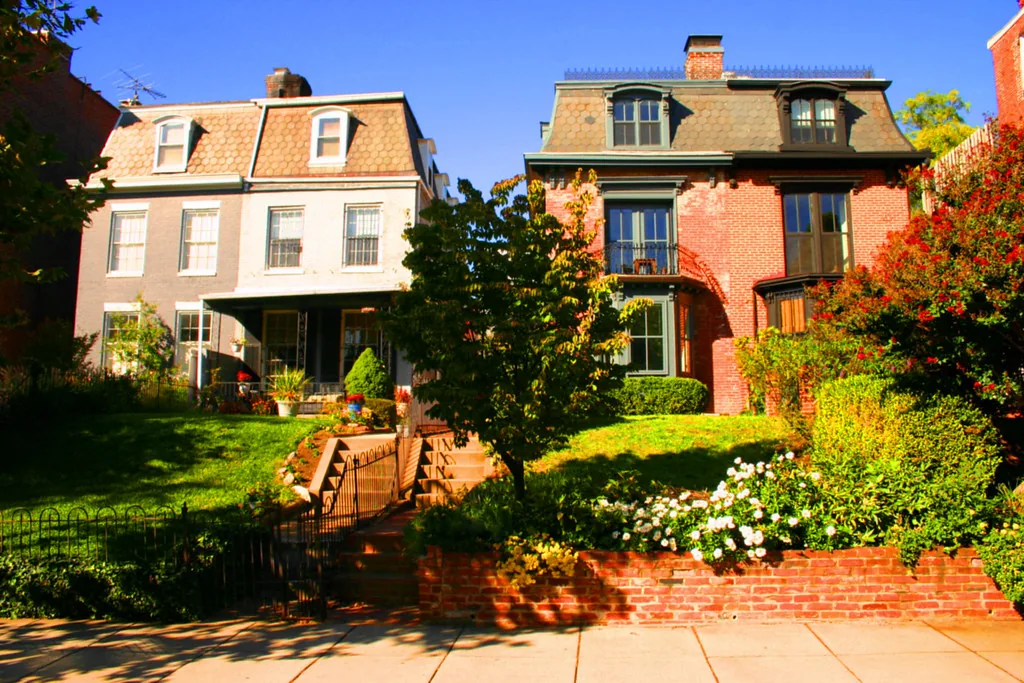
Basement Flood Help in Gibsonburg, Sandusky County
MH Restoration provides apartment basement flood cleanup in Gibsonburg, Ohio, serving ZIP code 43431 and nearby communities across Sandusky County in the Northwest Ohio region.
Many homes depend on sump systems that must work flawlessly during storms. Northwest Ohio centers on Toledo and the surrounding flat lake-plain communities.
Property-Specific Considerations
Different properties change the logistics of flood recovery. Renters: notify your landlord or property manager immediately and document everything, structural drying is the owner's responsibility; protecting your belongings is yours. Landlords & managers: prompt professional response limits your liability and your repair bill; delayed response that leads to mold creates larger problems. Commercial properties: business interruption makes speed doubly valuable, and documentation standards are higher. HOAs and multi-unit buildings: establish whether the water source is a common element or unit responsibility early, it determines who pays.
When You Need This Service
- A garden-level unit has bedroom windows set partially below grade and stormwater pushes through the window wells.
- A shared laundry room floods and machines sit in standing water while tenants need the space back.
- The basement mechanical room floods, affecting hot water or heat for the whole building.
- Tenant storage cages flood and multiple households' belongings are wet at the same time.
How the Work Proceeds
- Stakeholder mapping
The property manager or owner identifies decision-makers and tenant contacts up front, because work in shared spaces needs one clear chain of approval before demolition or disposal happens. - Common-area safety sweep
Electrical, contamination, and access hazards are assessed across all affected common areas before tenants re-enter them. - Extraction and contents separation
Standing water is extracted while tenant belongings are separated by unit and staged for triage, so nothing is mixed up or discarded without the owner's say. - Drying with tenant impact in mind
Equipment is placed to dry the structure while keeping noise and disruption in shared spaces as low as the job allows, with containment barriers where demolition is needed. - Documentation per stakeholder
Photos, moisture readings, and the itemized work scope are organized so the owner has the building record and tenants have what their own renters claims require. - Systems verification
Shared mechanical, laundry, and electrical areas are verified dry with meters before being returned to service, since the whole building depends on them. - Tenant communication
The manager gets plain-language updates on what was found, what is happening, and when each area reopens, so tenants hear facts instead of rumors.
Equipment Used
- Portable water extraction units
- Submersible pumps
- Air movers
- Refrigerant dehumidifiers
- Pin and pinless moisture meters
- HEPA-filtered air scrubbers
- Wet/dry vacuums
What It Costs
Basement flood projects in Ohio typically range from $1,000 to $12,000 depending on the project, and every project is different. Where yours falls depends on the factors below. Be cautious of any quote given without moisture mapping of your actual basement, and of prices far outside this range without a clear, documented reason.
- Affected square footage across common areas
- Water volume and contamination level
- Number of tenant storage areas involved
- Complexity of the mechanical room and shared systems
- Drying duration based on moisture readings
- Access and scheduling constraints in an occupied building
When To Call a Professional
If your apartment building's basement has flooded, call (800) 231-6861. One coordinated plan protects the building, the shared systems, and every tenant's belongings at once. Every project is different, and most fall within $1,000-$12,000 depending on conditions.
Frequently Asked Questions
What if only the storage cages flooded, not the hallway?
The scope follows the water, not assumptions. Moisture meters check adjacent areas because water migrates under doors and along wall bases, and a hallway that looks dry can still be damp. Only readings decide which areas need drying.
Can tenants stay in their units during basement cleanup?
Usually yes, as long as contamination is contained to the basement and the work zones are separated from living areas. Sewage contamination or extensive demolition may warrant keeping tenants clear of the basement entirely until the space is verified clean and dry. If tenants report odors or dampness in their units, those units get checked too, since water does not always stop at the basement door.
How do we keep the building's sump pump from failing again?
Clermont County's emergency management guidance is the practical checklist: clean the pump and pit, test the pump by pouring water into the pit, consider keeping a spare pump on hand, and make sure the discharge hose carries water several feet from the building to ground that slopes away. A pump that has never been tested is a pump you cannot count on.
Related Services in Gibsonburg
Apartment Basement Flood Cleanup Nearby
Related Guides
- How Much Does Basement Flood Cleanup Cost?
- Will My Homeowners Insurance Cover Basement Flooding?
- Can I Stay in My Home During Basement Flood Cleanup?
Apartment Basement Flood Cleanup in Gibsonburg, Call Now
Basement flooding in Gibsonburg? MH Restoration provides apartment basement flood cleanup across Sandusky County. Call (800) 231-6861 now.
(800) 231-6861Call Now