Can I Stay in My Home During Basement Flood Cleanup?
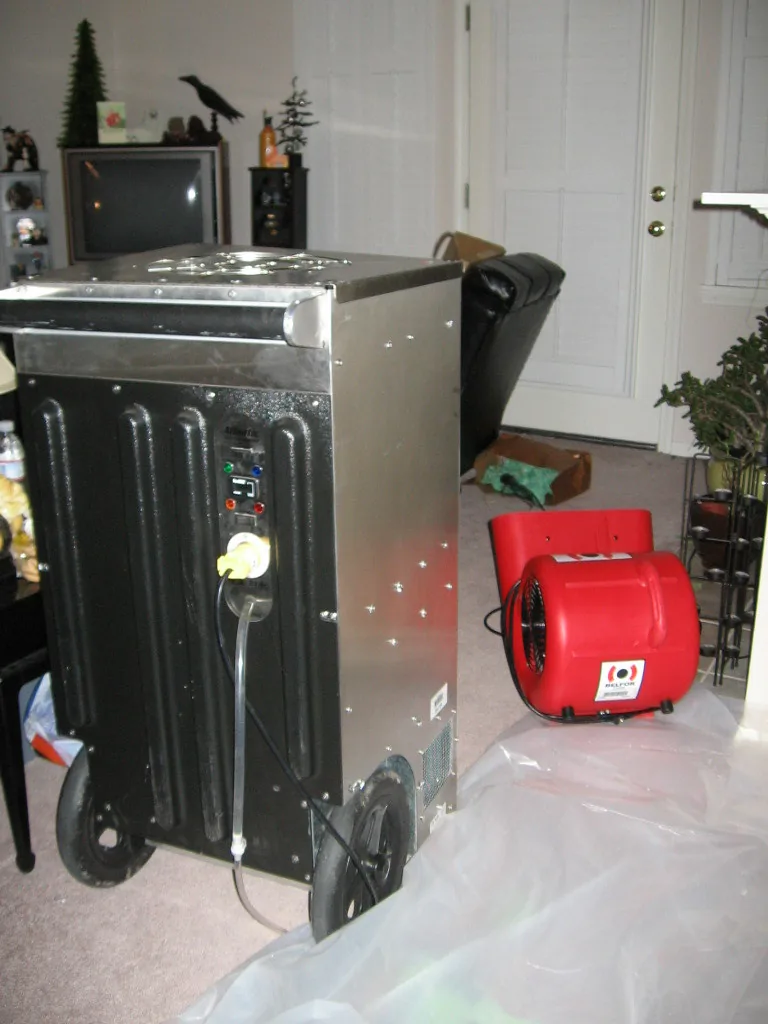
In many cases, yes, you can stay in your home during basement flood cleanup, especially when the water was clean, the damage is contained to the basement, and electrical systems are safe. The main reasons to consider leaving temporarily are sewage contamination, widespread mold, unsafe electrical conditions, or structural concerns. Drying equipment is loud and the basement will be a work zone for several days, which is an inconvenience rather than a danger. The right answer depends on contamination, safety, and your household's health needs, so discuss it directly with the crew chief.
When Staying Is Usually Fine
If the water came from a clean source like a supply line, is contained to the basement, the power is safe, and no sewage is involved, most households stay put without issue. The work happens below while life continues above, with the main disruptions being equipment noise and limited basement access for several days. Upstairs living areas are typically unaffected, and water and power to the rest of the house usually remain on. For a straightforward clean-water incident, temporary relocation is rarely necessary.
When Leaving Is the Better Call
Some situations genuinely warrant staying elsewhere for a few days. Sewage backup introduces pathogens that make the affected area unsafe for normal household activity, particularly for children. Widespread mold growth can aggravate respiratory conditions. If electrical systems were compromised, power to parts of the house may be shut off until inspected. Structural concerns, though uncommon, change the calculation entirely. If anyone in the household is elderly, has asthma or allergies, or is immunocompromised, the threshold for leaving should be lower, because mold exposure affects vulnerable people more severely.
What Living Through Drying Is Really Like
Honesty about the experience helps you plan. Industrial dehumidifiers and air movers are loud, comparable to running several window air conditioners at once, and they run around the clock for days. The equipment generates heat, hoses and cords cross work areas, and the basement itself is off-limits. Technicians will come and go to check readings and reposition equipment. It is disruptive but manageable for most households, and knowing what to expect in advance makes it far less stressful than discovering it mid-project.
A few protective steps make the disruption easier on the rest of the house. Ask the crew whether containment barriers will separate the work area, especially for contamination or mold jobs. Cover belongings in adjacent areas with plastic sheeting, since drying moves a lot of air and fine dust. If your HVAC system draws air from near the basement, mention it to the crew chief and ask whether the system should be adjusted during drying. These are small conversations on day one that prevent the dust-on-everything complaints people have on day five.
Health Considerations for Your Household
The EPA notes that mold exposure can cause health effects, and damp indoor environments are harder on people with asthma, allergies, and weakened immune systems. Even without visible mold, a damp basement during the drying phase is not a place for children to play or for anyone to sleep. Keep the basement door closed, avoid running the home's HVAC in ways that circulate basement air upstairs if mold is a concern, and ask the crew about containment if contamination or mold is involved. When in doubt, a few nights elsewhere is cheap insurance for vulnerable family members.
Questions to Ask Before You Decide
Ask the crew chief directly: is the water category safe for us to remain, is the electrical system secure, how many days will equipment run, and will there be periods when water or power is shut off? Ask whether containment will be set up and what areas to avoid. If the answers are clear and the situation is a clean-water loss with safe electrics, staying is reasonable. If the answers are hedged or the contamination question is unresolved, treat that uncertainty as information and plan accordingly.
Making the Basement Off-Limits Work in Practice
A few practical moves make a multi-day drying job much easier to live with. Move daily essentials upstairs before work starts: laundry supplies, stored tools, anything you reach for regularly. Keep the basement door closed, which reduces noise upstairs and keeps kids and pets out of the work zone. If you work from home, ask the crew chief which hours will be noisiest, typically during equipment setup and repositioning, and plan calls around them. Agree with the crew on how technicians will access the basement for monitoring visits so nobody is surprised. Small logistics handled on day one prevent most of the friction people complain about later.
Frequently Asked Questions
Is the drying equipment loud?
Yes, noticeably. Air movers and dehumidifiers run continuously and sound like several large fans or window AC units. Most people adjust within a day, but light sleepers may want earplugs or a different sleeping arrangement for the noisiest nights.
Can my kids stay in the house?
Usually yes for clean-water losses confined to the basement, as long as children stay out of the work area. For sewage contamination or significant mold, keeping children elsewhere until cleanup is complete is the safer choice.
What about my pets?
Pets should be kept away from the work area, wet materials, and equipment with cords and hoses. The noise also stresses many animals. For contamination jobs, boarding or staying with family for a few days is worth considering.
How long will the equipment need to run?
It varies with the extent of saturation, but several days is typical, with technicians checking readings and adjusting placement. The equipment stays until moisture meters confirm materials are dry, not on a fixed schedule.
Will my power bill spike?
Drying equipment does use meaningful electricity running around the clock. The increase depends on your rates and the equipment count, so ask the company roughly what to expect. Some homeowners find the bump noticeable for that billing cycle.
Sources
- U.S. EPA: What Is Mold?, Guidance on mold, moisture control, and health considerations.
- Ready.gov: Floods, FEMA guidance on floodwater contamination and cleanup safety.
Related Guides
- How Do Professionals Assess Water Damage in Basements?
- Can Basement Flooding Cause Structural Damage to My Home?
- How Do I Know If My Basement Will Flood Again?
Related Services
Questions About Basement Flooding?
Call MH Restoration at (800) 231-6861, serving 909 Ohio communities.
(800) 231-6861Call Now