Basement Sewage & Contaminated Water Cleanup in Pitsburg, OH
If your basement in Pitsburg, Ohio needs basement sewage & contaminated water cleanup, MH Restoration provides professional service across Darke County and the Southwest Ohio region. Safe, contained cleanup of sewage and contaminated water in Ohio basements, where the health rules change everything. Call (800) 231-6861, fast response limits damage and cost.
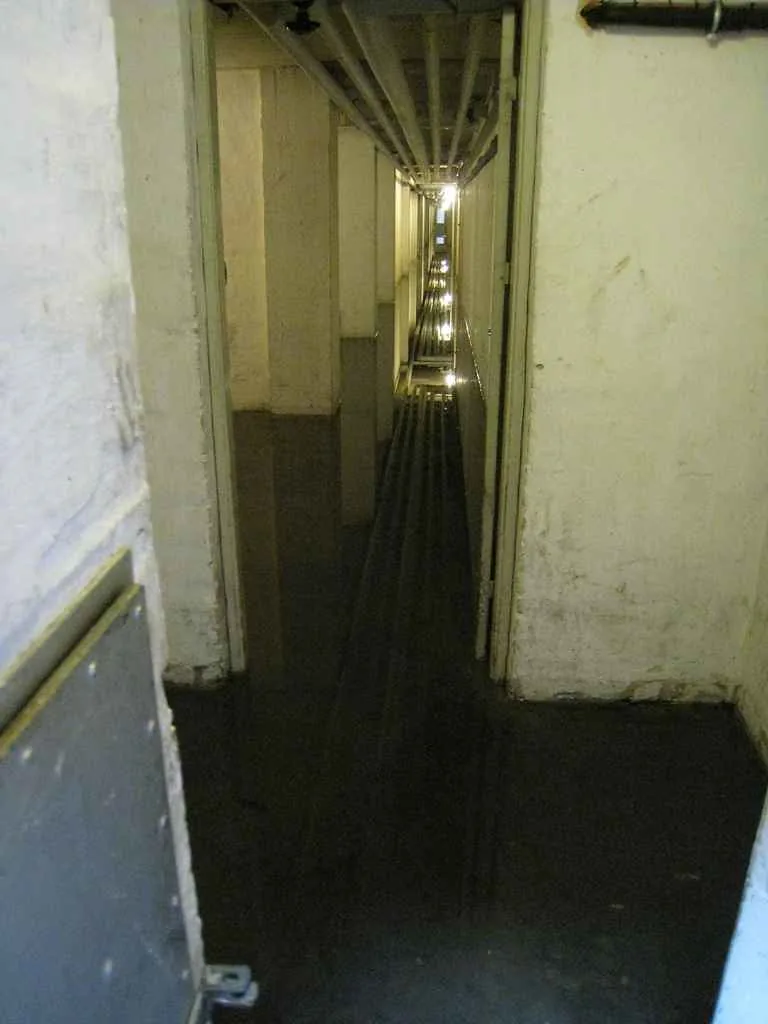
Contaminated water requires professional handling. Sewage and floodwater carry bacteria, viruses, and other pathogens. Avoid bare-skin contact, keep children and pets away from affected areas, and do not attempt cleanup with household mops and cleaners. Professional remediation uses containment, protective equipment, removal of contaminated porous materials, and proper sanitizing, because surface cleaning does not make sewage-contaminated materials safe.
Basement Flood Help in Pitsburg, Darke County
MH Restoration provides basement sewage & contaminated water cleanup in Pitsburg, Ohio, serving ZIP code 45358 and nearby communities across Darke County in the Southwest Ohio region.
The region's rivers and hills create distinct flood exposure. Hilly terrain can concentrate runoff into low-lying streets and basements.
When You Need This Service
- A toilet or sink overflow sends gray water across a basement bathroom and laundry area.
- Storm floodwater of unknown origin enters the basement and must be treated as contaminated until proven otherwise.
- A septic system backup pushes wastewater into a basement in an area without municipal sewer.
- A sump pit discharges water carrying sediment and contaminants after a storm stirs up the system.
Equipment Used
- Submersible pumps rated for contaminated water
- Truck-mounted extraction units
- Personal protective equipment: respirators, gloves, boots, suits
- Containment barriers and negative air equipment
- HEPA-filtered air scrubbers
- Professional-grade sanitizing agents
- Moisture meters
- Sealed disposal containers and bags
What It Costs
Basement flood projects in Ohio typically range from $1,000 to $12,000 depending on the project, and every project is different. Where yours falls depends on the factors below. Be cautious of any quote given without moisture mapping of your actual basement, and of prices far outside this range without a clear, documented reason.
- Overall project scale: most basement flood projects fall between $1,000 and $12,000, and every project is different, so the conditions below decide where a given job lands.
- Extent of contamination: sewage requires more protective handling and disposal than gray water
- Amount of porous material that must be removed and discarded
- Square footage affected, including how far contaminants traveled
- Contents cleaning or disposal needs
- Drying and sanitizing time
- Whether preventive plumbing work is added to the scope
When To Call a Professional
Call immediately for any sewage or suspected sewage in the basement, and do not enter the water. Contamination changes every decision, from what gets removed to how workers protect themselves, so this is not a wait-and-see situation. Call MH Restoration at (800) 231-6861.
How the Work Proceeds
- Hazard assessment before entry
The water is categorized and the area checked for electrical hazards. Contaminated water means protective equipment and containment planning start before anyone steps in. - Containment of the affected area
The work zone is isolated so contaminants do not travel to clean parts of the home on boots, hoses, or air currents. Cross-contamination is a second disaster, so it gets prevented up front. - Extraction with protective handling
Contaminated water is pumped and extracted using equipment and disposal practices suited to black water. Household mops and shop vacuums are not the right tools for sewage. - Removal of contaminated porous materials
Carpet pad, soaked drywall, wet insulation, and other porous materials that contacted sewage are removed, because they cannot be reliably sanitized. This is the step homeowners resist most and regret skipping most. - Cleaning and sanitizing of remaining surfaces
Hard, non-porous surfaces are cleaned and then sanitized with appropriate products and dwell times. Cleaning removes the soil; sanitizing addresses the microbes, and the order matters. - Drying and verification
The area is dried with the same rigor as any flood job, since the EPA's 24 to 48 hour guidance applies regardless of water category. Moisture readings confirm the structure is dry before rebuild. - Prevention guidance
For sewer backup, Ohio State University Extension notes that backflow valves can be installed on main waste drain pipes, and that plumbing changes must be done by a licensed plumber or contractor. The Ohio Department of Insurance also suggests asking your agent about a sewer-backup endorsement.
Frequently Asked Questions
What has to be thrown away after a sewage backup?
Generally, anything porous that contacted sewage: carpet pad, soaked drywall, wet insulation, upholstered items, and cardboard. Hard, non-porous surfaces can usually be cleaned and sanitized. When in doubt, removal is the safer call, because you cannot verify a sponge is clean.
How do I keep this from happening again?
A licensed plumber can install a backflow valve on the main waste line, which Ohio State University Extension identifies as a key defense against sewer backup. Also ask your insurance agent about a sewer-backup endorsement, as the Ohio Department of Insurance recommends. No device is perfect, but these two steps meaningfully reduce risk.
Will insurance cover sewage backup cleanup?
Standard homeowners policies typically exclude it, but many insurers offer a sewer-backup or sump-pump endorsement, which the Ohio Department of Insurance specifically suggests asking your agent about. Coverage depends entirely on your policy and endorsements, so check before you need it, and document the damage thoroughly if it happens.
Related Services in Pitsburg
Basement Sewage & Contaminated Water Cleanup Nearby
Related Guides
- Will My Homeowners Insurance Cover Basement Flooding?
- What's the First Thing I Should Do After My Basement Floods?
- What Should I Remove From My Flooded Basement?
Basement Sewage & Contaminated Water Cleanup in Pitsburg, Call Now
Basement flooding in Pitsburg? MH Restoration provides basement sewage & contaminated water cleanup across Darke County. Call (800) 231-6861 now.
(800) 231-6861Call Now