Garage Flood Cleanup in Plymouth, OH
MH Restoration offers garage flood cleanup in Plymouth, OH, serving 44865 and nearby Huron County communities. Garages flood differently than basements: wide doors, stored chemicals, and vehicles change both the risks and the cleanup, and this service is built for those differences. Reach us at (800) 231-6861.
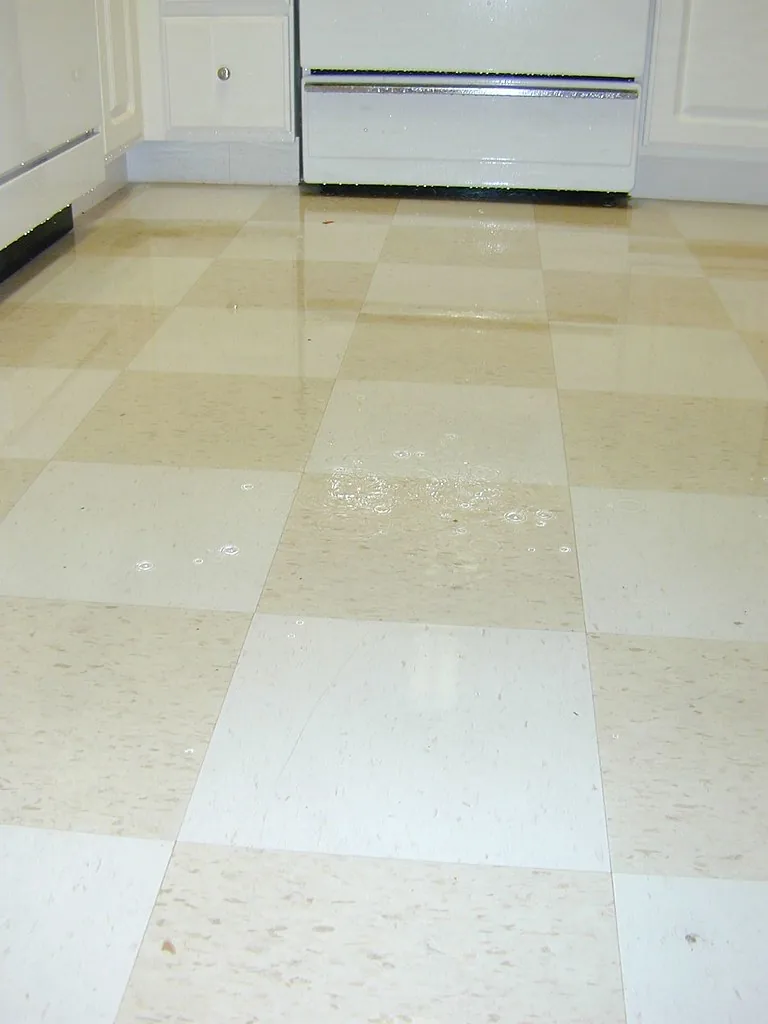
Basement Flood Help in Plymouth, Huron County
MH Restoration provides garage flood cleanup in Plymouth, Ohio, serving ZIP code 44865 and nearby communities across Huron County in the Northeast Ohio region.
Power outages during storms can disable sump pumps at the moment demand is highest. Lake-effect snow followed by spring melt can saturate ground just as spring storms arrive.
Property-Specific Considerations
Different properties change the logistics of flood recovery. Renters: notify your landlord or property manager immediately and document everything, structural drying is the owner's responsibility; protecting your belongings is yours. Landlords & managers: prompt professional response limits your liability and your repair bill; delayed response that leads to mold creates larger problems. Commercial properties: business interruption makes speed doubly valuable, and documentation standards are higher. HOAs and multi-unit buildings: establish whether the water source is a common element or unit responsibility early, it determines who pays.
When You Need This Service
- Stormwater runs under the garage door during heavy rain and floods the slab several inches deep.
- A garage at the bottom of a sloped driveway collects runoff with every major storm.
- Floodwater mixes with stored paint, oil, or lawn chemicals, requiring careful handling rather than a simple pump-out.
- A vehicle was parked in the flooded garage and the owner needs the space cleaned and dried before it returns.
How the Work Proceeds
- Hazard check
Stored chemicals, fuels, and electrical components such as openers and outlets are identified first, because garage floodwater often carries contaminants that basement water does not. - Contents triage
Vehicles, tools, and stored items are moved or protected, and anything soaked in chemical-mixed water is separated for proper handling rather than mixed with the general cleanup. - Water extraction
Standing water is extracted from the slab, working toward the door, with attention to low spots where water ponds after the visible flooding is gone. - Decontamination cleaning
The slab and lower walls are cleaned to remove silt, oil film, and chemical residue, since a garage floor that looks clean can still hold contaminants in the concrete's pores. - Drying and verification
Air movers dry the slab and wall bases, and moisture readings confirm that drywall or framing at the garage-house boundary is actually dry, not just dry to the touch. - Entry-point review
The cleanup notes where the water entered, such as door seals, grading, or driveway slope, so the owner can address prevention instead of repeating the job after the next storm.
Equipment Used
- Wet/dry vacuums
- Portable water extraction units
- Submersible pumps
- Air movers
- Refrigerant dehumidifiers
- Pin and pinless moisture meters
- Pressure washing equipment
What It Costs
Basement flood projects in Ohio typically range from $1,000 to $12,000 depending on the project, and every project is different. Where yours falls depends on the factors below. Be cautious of any quote given without moisture mapping of your actual basement, and of prices far outside this range without a clear, documented reason.
- Water depth and total area affected
- Chemical or contamination level of the water
- Volume of contents requiring moving and sorting
- Whether the shared wall with the house is affected
- Slab-only versus finished walls and storage systems
- Drying duration based on moisture readings
When To Call a Professional
If your garage has flooded, especially if the water mixed with stored chemicals or reached the wall shared with the house, call (800) 231-6861. Every project is different, and most fall within $1,000-$12,000 depending on conditions.
Frequently Asked Questions
How do I keep stormwater from running under the door again?
The common answers are door threshold seals, regrading so water flows away from the door, and driveway drainage that intercepts runoff before it arrives. No single measure works in every situation, and the right combination depends on where the water is coming from, which the entry-point review identifies.
Does the wall between my garage and house need checking?
Yes. Water sitting against that shared wall can wick into the house's framing and drywall even when the house side looks fine. Moisture meters verify whether the boundary is dry, and that check is part of the job, not an add-on.
Is garage floodwater contaminated?
Often it is, or should be treated that way. Garage water commonly mixes with stored chemicals, automotive oils, and street runoff on its way in, and Ready.gov advises avoiding wading in floodwater precisely because it can be contaminated and contain dangerous debris. When the mix is unknown, protective handling is the right default.
Related Services in Plymouth
Garage Flood Cleanup Nearby
Related Guides
- How Much Does Basement Flood Cleanup Cost?
- Will My Homeowners Insurance Cover Basement Flooding?
- Can I Stay in My Home During Basement Flood Cleanup?
Garage Flood Cleanup in Plymouth, Call Now
Basement flooding in Plymouth? MH Restoration provides garage flood cleanup across Huron County. Call (800) 231-6861 now.
(800) 231-6861Call Now