Can Basement Flooding Cause Structural Damage to My Home?
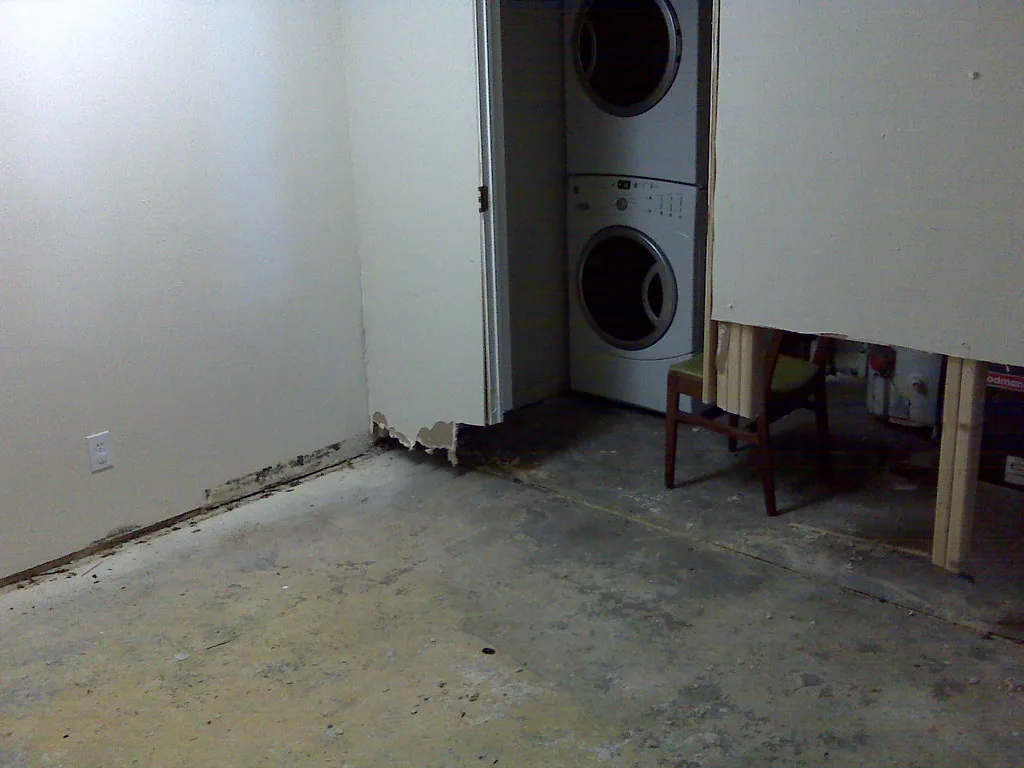
Yes, basement flooding can cause structural damage, but it usually takes prolonged or repeated saturation rather than a single brief incident. Wood framing and subflooring can weaken when they stay wet, saturated soil increases pressure against foundation walls, and repeated wet-dry cycles deteriorate concrete and masonry over time. The honest answer for any specific home is that it depends on the materials involved, how long they stayed wet, and whether the water was contaminated. A structural assessment is warranted when flooding was deep, prolonged, or recurring.
What water does to wood framing
Wood loses strength as its moisture content rises, and it stays weakened as long as it stays wet. Floor joists, sill plates, and studs that sit in standing water or remain saturated for days are the elements at risk, not wood that got splashed and dried promptly. The secondary threat is decay: wood that remains damp supports fungal growth that breaks down the fibers themselves, and that deterioration continues even after the visible water is gone if the moisture was never fully removed. This is why drying verification matters structurally, not just cosmetically. A joist that feels dry on the surface but still holds elevated moisture deep inside is still a joist at risk.
Foundation walls under pressure
Foundations are designed to hold up the house, not to hold back water indefinitely. When soil around a foundation becomes saturated, it gets heavier and exerts more lateral pressure against the walls, and water itself finds every crack and weak mortar joint. A single flood rarely cracks a sound foundation, but repeated saturation cycles stress the system: water enters small cracks, freezes and expands in winter, and widens them a little more each year. Bowing, new stair-step cracking in block walls, or horizontal cracking are signs that pressure has exceeded what the wall tolerates, and those deserve professional evaluation rather than monitoring.
Floors, slabs, and what lies beneath
Concrete slabs can generally survive flooding, but the systems around them suffer. Water undermines the compacted soil beneath a slab, and if enough soil washes out, sections of slab can settle or crack. Finished flooring over the slab is usually the casualty: adhesives fail, wood flooring cups and warps, and laminate swells beyond recovery. Perhaps most importantly, water trapped beneath flooring or inside wall assemblies keeps adjacent structural elements wet long after the surface looks dry, which is the mechanism by which structural damage from flooding most often develops: hidden, prolonged moisture rather than the dramatic visible event.
Contamination changes the structural calculus
Clean water is primarily a drying problem, but contaminated water adds a removal problem that affects structure indirectly. Sewage or exterior floodwater saturates porous materials that then cannot be salvaged, which means more demolition: drywall, insulation, and sometimes subflooring come out. That demolition is protective, not destructive, because leaving contaminated porous materials in place guarantees ongoing problems. The structural question after a contaminated flood is therefore twofold: what did the water damage, and what had to be removed because of the contamination. Both belong in the assessment.
When to bring in a structural assessment
Not every flood needs an engineer, but several situations do. Water that stood for many days rather than hours. Visible movement: new cracks, bowing walls, doors that no longer close, floors that feel uneven. Repeated flooding in the same area, which suggests a chronic condition rather than an event. And any situation where load-bearing elements, the sill plate, joists, or foundation walls, were submerged. A qualified assessment distinguishes cosmetic damage from structural damage, and that distinction determines whether the path forward is drying and repair or something more involved. When in doubt, the assessment is cheaper than the wrong repair.
Frequently Asked Questions
My basement flooded once and dried out. Is my foundation okay?
Most likely, yes, if the water was removed promptly, everything was verified dry, and you see no new cracking or movement. A single brief flood rarely damages a sound foundation. Keep an eye on the walls over the following months for new cracks, and make sure the drainage that failed is corrected so it does not become a repeating event.
Can I tell if joists are damaged just by looking?
Surface appearance is unreliable. Wood can look intact while holding elevated moisture or early decay inside. Pressing with a screwdriver to check for softness is a crude but useful field check; a professional uses moisture meters and knows the thresholds. If joists were submerged for days, have them assessed rather than eyeballed.
Does insurance cover structural damage from flooding?
It depends on the cause and the policy, and flood damage itself is generally excluded from standard homeowners policies. The Ohio Department of Insurance advises checking your coverage and asking your agent about endorsements for sewer backup and sump pump issues. Document everything and discuss the specifics with your insurer early.
Will my basement flood again if I don't fix the structure?
Structural damage and repeat flooding are related but distinct problems. Fixing cracks and drainage addresses future water entry; drying and repairing damaged framing addresses the past event. You generally need both: repair what the flood damaged, and correct what let the water in.
Sources
- U.S. Environmental Protection Agency, Mold guidance: moisture control and the 24-48 hour drying window
- Ohio Department of Insurance, Flood exclusions in standard policies; endorsement guidance
- FEMA, October 2, 2026 major disaster declaration for Ohio: Aug 10-22, 2026 storms and flooding
Related Guides
- How Do Professionals Assess Water Damage in Basements?
- How Do I Know If My Basement Will Flood Again?
- How Long Before a Flooded Basement Can Be Used Again?
Related Services
Questions About Basement Flooding?
Call MH Restoration at (800) 231-6861, serving 909 Ohio communities.
(800) 231-6861Call Now