How Do Professionals Assess Water Damage in Basements?
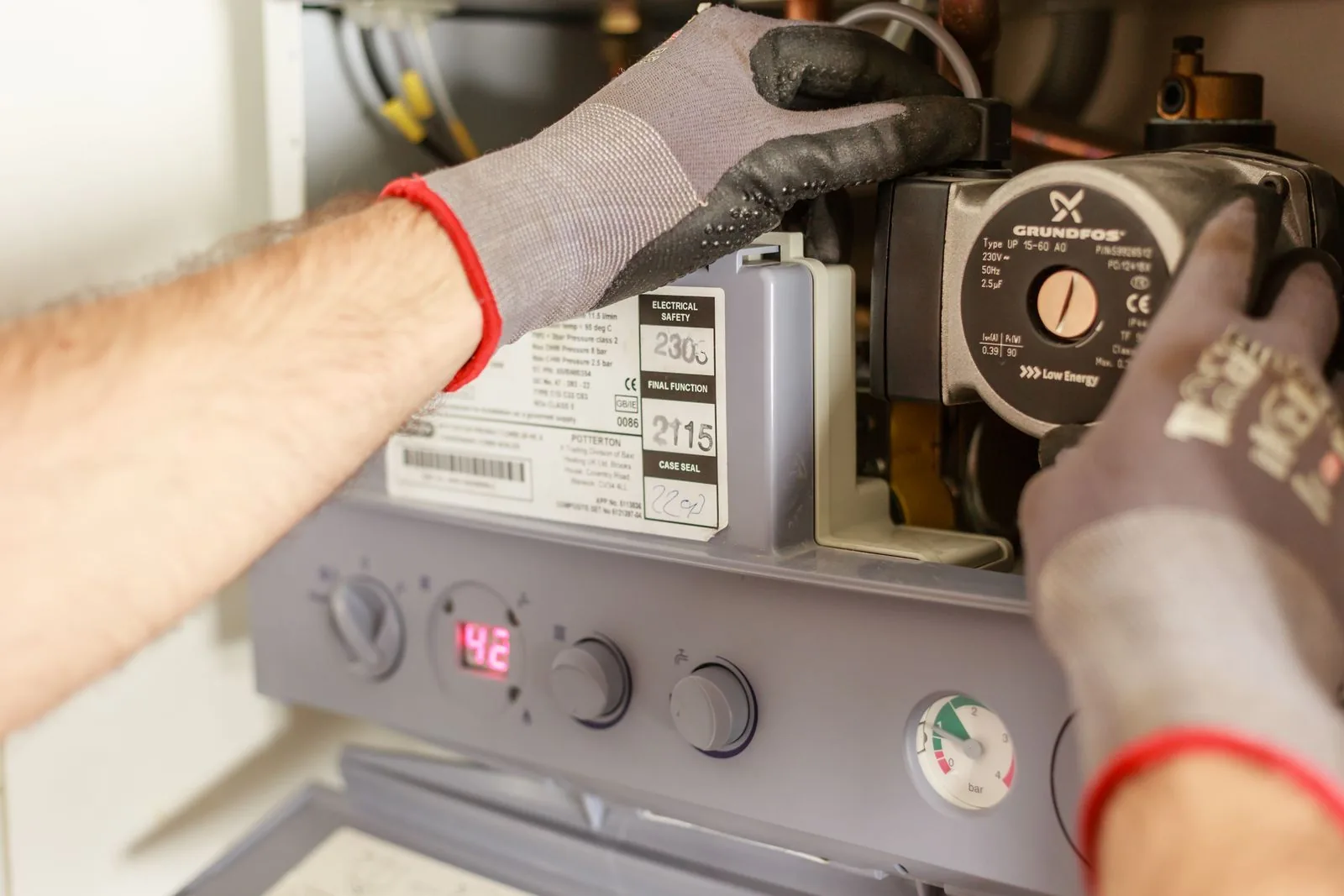
A professional assessment answers four questions: what kind of water is it, where did it go, what did it touch, and how wet are those materials. The process starts with identifying the water source and its contamination category, then mapping moisture with meters rather than guesswork, then determining which materials can be dried and which must be removed. Good assessment also produces documentation, photos and moisture readings, that supports insurance claims and proves the drying was completed. The whole point is to replace assumptions with measurements before any work begins.
Step one: categorize the water
Everything downstream depends on the water category. Clean water comes from a sanitary source like a supply line. Gray water carries significant contamination, from appliances or sump discharge. Black water is grossly contaminated: sewage, or floodwater that entered from outside and crossed soil, streets, and drainage systems. Ready.gov's after-flood guidance reflects this reality directly, warning people to avoid wading in floodwater because it can be contaminated and contain dangerous debris. The category determines protective equipment, which materials can be salvaged, and how aggressive the cleaning must be, so a professional establishes it before touching anything else.
Step two: find everywhere the water went
Visible water is only part of the story. Water wicks upward into drywall, migrates under flooring, seeps behind baseboards, and pools in wall cavities and subfloor spaces. A proper assessment traces these paths with moisture meters, comparing readings against dry standards for each material, because wood, drywall, and concrete each hold and release moisture differently. Infrared cameras are sometimes used to spot temperature differences that suggest hidden moisture, but the meter readings are what confirm it. This mapping step is what separates professional assessment from a visual glance: the damage you cannot see is usually what causes the expensive problems later.
Step three: decide what stays and what goes
Not every wet material is a lost material, and not every material that looks fine is salvageable. The decision follows the EPA's framing: materials that cannot be thoroughly cleaned and dried within 24 to 48 hours should generally be removed, and that bar is stricter for contaminated water. Solid wood framing and concrete can often be dried in place. Drywall that has wicked water upward, saturated insulation, and carpet padding after anything but clean water are typical removals. A professional makes these calls material by material rather than applying one rule to the whole basement, and explains the reasoning so the homeowner understands what is being removed and why.
Step four: check the electrical and structural picture
Water and electricity are a dangerous combination, and assessment includes verifying that the electrical system in the affected area is safe before work proceeds. Ready.gov states it plainly: do not touch electrical equipment if it is wet or if you are standing in water. Beyond the immediate hazard, the assessment notes structural concerns: how long materials were saturated, whether load-bearing elements were affected, and whether the water event revealed pre-existing issues like foundation cracks. These observations feed the scope of work and, where relevant, the insurance documentation.
Step five: document everything
Documentation is part of the assessment, not an afterthought. Photos of water depth, the source if visible, and affected areas before anything is moved; moisture readings recorded over time; a list of materials removed; and an itemized scope of the planned work. This file serves three purposes: it supports the insurance claim with evidence rather than assertions, it gives the homeowner a clear record of what was done, and it provides the baseline against which drying completion is later verified. If an assessment produces no documentation, it produced no verifiable assessment.
What a good assessment feels like from the homeowner's side
You should expect questions before conclusions: where the water came from, when it appeared, whether the power was affected, what the water looked and smelled like. You should see meters being used, not just a visual walkthrough. You should receive a clear explanation of the water category and what it means for the plan. And you should get the scope in writing, with the reasoning attached. An assessment that jumps straight to a price without measurement is not an assessment. The measurement is the assessment.
Frequently Asked Questions
Do I need a professional assessment for a small flood?
A small, clean-water incident that you caught immediately may not need one. But if the water sat for a day or more, if the source or category is uncertain, if drywall or insulation got wet, or if there is any sewage involvement, an assessment pays for itself by catching what you cannot see.
Will the assessment damage my walls?
Proper assessment is non-destructive: meters read through or against surfaces, and cameras only observe. Small test holes are sometimes needed to check inside wall cavities, but a professional explains why before making any.
How long does an assessment take?
A thorough residential basement assessment typically takes under an hour of on-site work for a straightforward loss, longer for large or complex ones. The written scope and documentation usually follow within a day or so.
Is the assessment the same as the estimate?
They are related but different. The assessment determines what happened and what needs doing; the estimate prices it. Be cautious of anyone who prices the job without first doing the assessment work described here.
Sources
- U.S. Environmental Protection Agency, Mold guidance: dry water-damaged areas within 24-48 hours
- Ready.gov, FEMA after-flood guidance: avoid contaminated floodwater; electrical safety around wet equipment
Related Guides
- Should I Remove Standing Water Myself or Wait for Professionals?
- What Causes Basement Flooding in Old Homes?
- How Much Does It Cost to Replace a Failed Sump Pump?
Related Services
Questions About Basement Flooding?
Call MH Restoration at (800) 231-6861, serving 909 Ohio communities.
(800) 231-6861Call Now