How Do I Know If Drywall Can Be Saved After Water Damage?
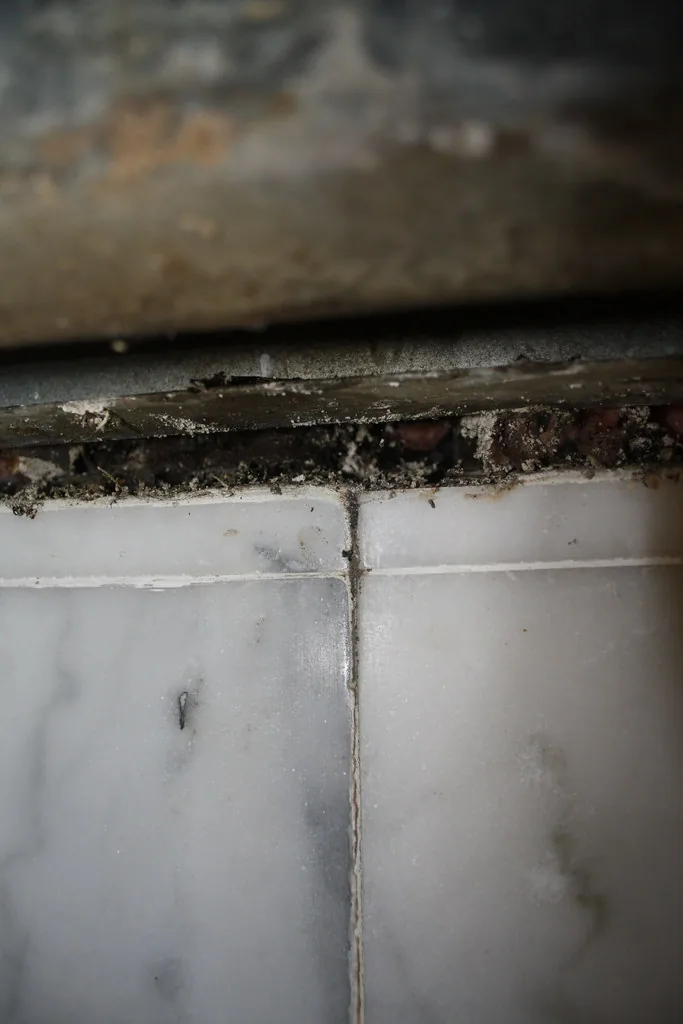
Drywall can sometimes be saved after water damage, but only under narrow conditions: the water was clean, the exposure was brief, drying began within 24 to 48 hours, and the material shows no swelling, softness, or contamination. Drywall wicks water upward like a sponge, so damage often extends well above the visible waterline, and any drywall soaked by sewage or exterior floodwater should be removed rather than dried. When drywall is saved, the decision must be verified with moisture readings inside the wall, not by how the surface looks.
How drywall behaves when it gets wet
Standard drywall is gypsum sandwiched between paper facings, and both components react badly to water. The paper facing feeds microbial growth, and the gypsum core loses strength and can crumble once saturated. Wicking is the key behavior to understand: drywall pulls water upward beyond the flood line, sometimes a foot or more above where the standing water stopped. That means the damaged area is almost always larger than it looks, and cutting out only the visibly wet section misses the wicking zone above it.
This is why professionals open walls rather than guessing. A moisture meter reading taken through a small inspection hole reveals how far the water traveled, and that measurement, not the visible stain, sets the removal line.
The cases where drywall can be saved
Salvage is realistic when several conditions line up. The water was clean, from a supply line or appliance, not stormwater or sewage. The wetting was brief and shallow, a minor incident caught quickly rather than standing water overnight. Professional drying began fast, within the EPA's 24 to 48 hour window, with air movement directed at the wall and dehumidification running. And afterward the drywall is firm, flat, and dry by meter readings, with no swelling, softness, or odor.
Even then, the paper facing deserves respect. If the wall was wet long enough for the paper to stay damp for days, removal is the safer call regardless of how the surface looks. Paper that stayed wet is paper that may harbor growth you cannot see.
The cases where drywall must go
Removal is the answer when the water was contaminated. Sewage and exterior floodwater carry pathogens and contaminants into porous gypsum and paper in ways that drying and surface cleaning cannot reliably reverse. Removal is also the answer when drywall is soft, swollen, crumbling, or sagging; when it stayed wet beyond a couple of days; when there is visible mold growth through the material; or when a musty odor persists after drying. In practice, most basement floods involving stormwater end with the lower section of drywall being removed, because the contamination rule decides it before the other factors are even weighed.
What about the insulation behind it
This is the question people forget to ask, and it matters as much as the drywall itself. Fiberglass batt insulation that has absorbed water compresses, loses its insulating value, and holds moisture against the framing and the back of the drywall. It generally cannot be restored and is removed along with the wet drywall. The wall cavity is then dried directly before anything is closed back up. Closing new drywall over a damp cavity is one of the most reliable ways to manufacture a mold problem, so verification of the cavity comes before rebuilding, always.
How the assessment is actually done
A proper assessment is not a glance and an opinion. It involves identifying the water category, measuring how far moisture traveled with a meter, checking the drywall's physical condition, and evaluating the insulation behind it. The result is a defined removal line: everything below it comes out, everything above it dries in place and is verified. If you are getting quotes, ask each company where they would set that line and how they measured it. The quality of the answer tells you a great deal about the quality of the company.
Frequently Asked Questions
Can I just paint over water-stained drywall?
Paint hides the stain and seals in the problem. If the drywall was wet long enough to matter, painting over it traps potential mold and does nothing about moisture inside the wall. Stains should be investigated first; paint comes after the wall is verified dry and sound.
How far up the wall does damage usually extend?
Beyond the visible waterline, because of wicking. The only honest answer for your wall comes from moisture meter readings. Professionals typically remove to a clean, dry line established by measurement, often well above where the water appeared to stop.
Does the type of drywall matter?
Yes. Standard drywall is the most vulnerable. Moisture-resistant boards perform better but are not waterproof, and they still should not be left wet. No drywall type survives sewage contamination; that is a removal situation regardless of the board.
Can I cut out the wet section myself?
You can, with protective gear and proper disposal, but know where to cut: above the measured moisture line, not the visible stain line. Cut too low and you leave wet material behind. Also remember the insulation behind it needs assessment too.
How long does drywall take to dry if it can be saved?
With professional equipment, often several days, and the cavity behind it must dry as well. Drying is verified with meter readings, not by touching the surface. Rushing this step is what leads to problems months later.
Sources
- U.S. EPA, Mold guidance: dry water-damaged areas within 24 to 48 hours; moisture control is the key to mold control.
- Ready.gov, Floods: avoid wading in floodwater, which can be contaminated; move valuables to higher levels.
Related Guides
- What's the Best Way to Dry Out a Flooded Basement?
- Why Did My Sump Pump Fail During Flooding?
- What Professional Should I Call for Basement Flooding?
Related Services
Questions About Basement Flooding?
Call MH Restoration at (800) 231-6861, serving 909 Ohio communities.
(800) 231-6861Call Now