What Professional Should I Call for Basement Flooding?
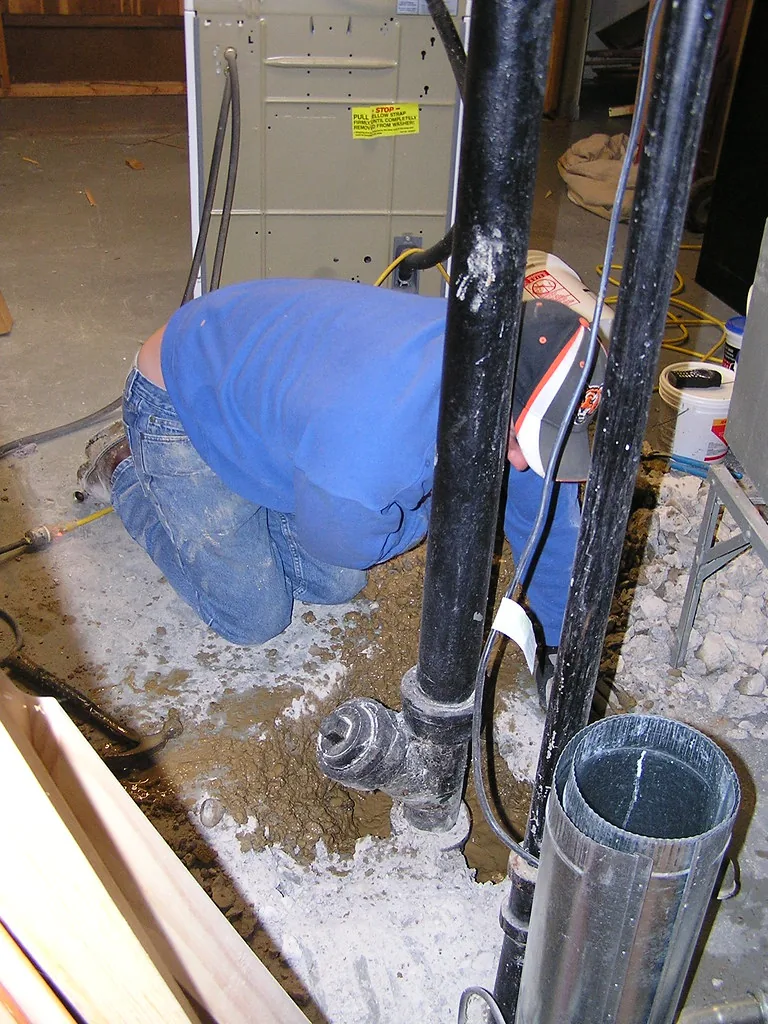
For the water damage itself, call a water damage restoration company: they handle extraction, structural drying, moisture assessment, and contaminated material removal. For the source of the water, call a plumber: burst pipes, failed water heaters, and broken supply lines are plumbing problems. Many basement floods need both, and that is normal. The plumber stops the water from coming; the restoration company deals with everything the water touched. If you are unsure where to start, start with whoever addresses the active problem first.
What a restoration company actually does
A water damage restoration company's job begins where the water is. They extract standing water, set up and manage structural drying with air movement and dehumidification, take moisture readings to find hidden wet areas, remove unsalvageable materials like saturated drywall and carpet padding, sanitize after contamination, and verify the space is truly dry before rebuilding begins. Their expertise is in moisture behavior: where water travels, how materials respond, and how to confirm the job is complete. When your basement is wet, this is the core service you need.
What a plumber actually does
A plumber fixes the source. Burst supply lines, leaking water heaters, failed washing machine valves, broken sump pump discharge plumbing, these are plumbing system problems and they belong to a plumber. What a plumber generally does not do is dry your basement, assess moisture inside walls, or remediate mold. The division of labor is clean: the plumber stops the cause, the restoration company resolves the consequences. For sewer backups, you may need a plumber to clear or repair the line and a restoration company to handle the contaminated basement, sometimes with a backflow valve installation afterward to prevent recurrence. Note that Ohio State University Extension advises that plumbing modifications like backflow valve installations must be performed by a licensed plumber or contractor.
When you need both, and in what order
The order depends on what is active. If water is still pouring in from a burst pipe, the plumber comes first, because extracting water that is still arriving is pointless. If the source has already stopped and you are left with a wet basement, the restoration company comes first, because the drying clock is running and the EPA's 24 to 48 hour guidance does not pause for scheduling convenience. In practice, many homeowners call the restoration company first and get a plumber referral for the source repair, or vice versa. Either path works as long as both jobs get done.
What about electricians, mold companies, and general contractors
An electrician is needed if water reached the electrical panel, outlets, or major appliances; do not restore power to wet circuits without one. Standalone mold remediation companies make sense when the primary problem is established mold growth rather than fresh water damage, though many restoration companies handle both. General contractors enter the picture at the rebuilding stage, replacing drywall, flooring, and trim after drying is verified. You do not need to assemble this team yourself on day one. Start with the water problem, and let each phase reveal what comes next.
How to vet whoever you call
Ask how they verify dryness, and listen for moisture meters and documented readings rather than touch tests. Ask for an itemized scope of work, not a single number. Ask how they handle contaminated water, since the answer reveals whether they follow proper protocols. Be wary of anyone who quotes a firm price without visiting, promises a timeline before measuring, or pressures you to sign immediately. And check with your insurance company early: some policies have requirements about mitigation and documentation that affect your claim.
Frequently Asked Questions
Can one company handle both the plumbing and the water damage?
Some full-service companies do both, but most specialize in one side. What matters is not the number of companies but that each job is done properly: the source fixed by qualified plumbing work and the moisture resolved with verified drying.
Should I call my insurance company before calling anyone?
Notify your insurer promptly, since policies usually require timely notice, but do not wait for an adjuster to start emergency mitigation. Document everything, keep receipts, and keep damaged materials until the insurer has seen them or given permission to discard.
Do I need a mold inspection too?
If the response was fast and drying is verified, a separate mold inspection is usually unnecessary. If water sat for days, if there are musty odors after drying, or if you see visible growth, then assessment for mold makes sense as a distinct step.
What if the flooding came from outside, not plumbing?
Then there is usually no plumber involved at all. Exterior water, storm runoff, groundwater, is a restoration and drainage problem. The restoration company handles the interior; longer-term prevention may involve drainage work, grading, or backflow prevention.
How fast should I make the call?
As soon as the situation is safe and documented. The first day matters most because of the 24 to 48 hour drying window. Calling early does not commit you to anything; it gets a professional assessment started while your options are still open.
Do I need a permit for the restoration work?
Emergency mitigation, extraction, drying, and demolition generally do not require permits. Permits typically enter the picture for structural repairs, electrical work, or plumbing modifications during the rebuild phase. Your contractor should know your municipality's requirements and handle permit applications as part of the project. If someone tells you permits are never needed for anything, or insists every visit needs one, get a second opinion.
Sources
- Ohio State University Extension, Install sewer backflow valves: plumbing changes must be done by a licensed plumber or contractor; valves belong on waste drain pipes below potential flood level.
- U.S. EPA, Mold guidance: dry water-damaged areas within 24 to 48 hours to help prevent mold growth.
- Ready.gov, Floods: do not touch electrical equipment if it is wet or if you are standing in water.
Related Guides
- How Do I Know If Drywall Can Be Saved After Water Damage?
- How Much Does It Cost to Replace Flooded Drywall and Insulation?
- Can Flooded Items Be Dried and Saved?
Related Services
Questions About Basement Flooding?
Call MH Restoration at (800) 231-6861, serving 909 Ohio communities.
(800) 231-6861Call Now