Why Did My Sump Pump Fail During Flooding?
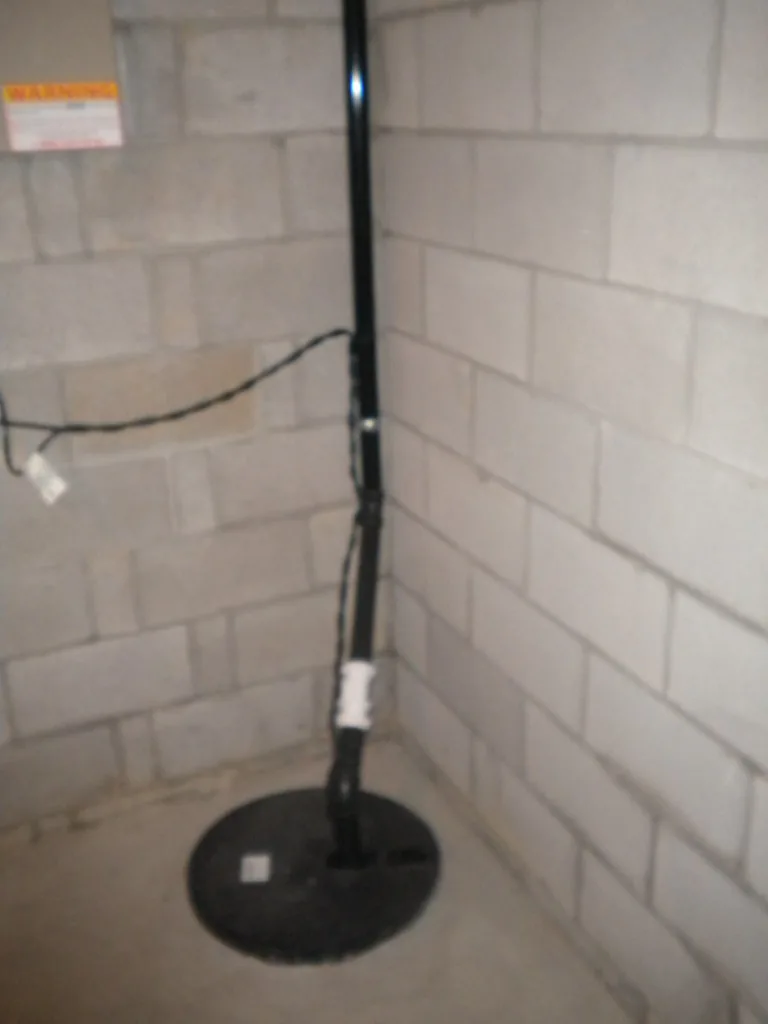
Sump pumps most often fail during flooding for a handful of reasons: the power goes out, the float switch sticks and never triggers the pump, the intake or discharge line is clogged or frozen, the pump is overwhelmed by the volume of incoming water, or the pump itself has simply worn out. Power loss is the cruelest cause because it tends to arrive exactly when the pump is needed most, during the same storm that is filling the pit. Understanding which cause hit you determines the fix, and for most of them the fix is maintenance or backup power, not a bigger pump.
Power loss: the most common culprit
Storms that flood basements also knock out power, and a sump pump without electricity is a hole in the floor. This is not a rare edge case. During the August 2026 storms that struck Ohio, with severe weather including a derecho, tornadoes, and catastrophic flooding across much of the state, hundreds of thousands of Ohioans lost power, and many of those homes depended on electric sump pumps. If your pump was silent during an outage, it did not malfunction. It was never given the chance to work.
The defense is backup power. Ready.gov's flood preparedness guidance specifically advises homeowners to consider a sump pump with a battery, precisely because the outage and the peak pumping demand arrive together. A battery backup system powers the pump, or a secondary backup pump, through outages. It is the single highest-value flood prevention upgrade for any basement that depends on a sump pump.
Mechanical failures: floats, clogs, and wear
When power is not the issue, the failure is usually mechanical. The float switch, the bobbing mechanism that tells the pump the water is rising, can stick against the pit wall or get tangled in debris, so the pump never turns on. The intake screen can clog with silt and gravel. The discharge pipe can clog, freeze in winter, or terminate somewhere that lets water flow right back toward the foundation. And pumps wear out: bearings, seals, and switches degrade with age and use, often failing right at the moment of maximum demand after years of light duty.
Most of these are preventable with simple maintenance. Testing the pump a few times a year by pouring water into the pit and watching a full on-and-off cycle catches stuck floats and dead pumps before the storm does. Keeping the pit clear of debris and confirming the discharge line flows freely takes minutes.
Overwhelmed: when the water wins anyway
Sometimes the pump works perfectly and still loses. An undersized pump, or a storm that delivers water faster than the pump's rated capacity, means the pit fills faster than it empties. Warning signs include a pump that runs constantly during ordinary rains, which means it has no reserve for extraordinary ones. The fix here is proper sizing for the actual inflow, and in some basements a second pump or a higher-capacity primary unit. This is a judgment call best made with someone who can assess your water table and drainage, not a guess at the hardware store.
What to do right now if your pump failed
First, deal with the water: extract it and begin drying, because the pump failure is now a flood like any other, and the 24 to 48 hour drying window applies. Do not reach into a flooded pit with your hands. Once the immediate crisis is handled, diagnose the pump before the next rain: check the breaker, test the float, inspect the discharge line, and look at the pump's age and condition. Then address the root cause. If it was power loss, install battery backup. If it was mechanical, repair or replace. If it was capacity, resize. A failed pump is a warning with a very specific lesson, and the lesson is cheapest to learn once.
Prevention worth doing before the next storm
Test the pump seasonally with the pour-water method. Install battery backup if you do not have it. Keep a spare pump on hand if your basement floods badly when the primary fails; swapping a pump during a storm is far better than waiting for a purchase. Make sure the discharge line carries water well away from the foundation and slopes away from the house. And consider a water-powered backup or an alarm that alerts you when the pit level rises unexpectedly. Redundancy is the whole philosophy: no single point of failure should be able to flood your basement.
Frequently Asked Questions
How often should I test my sump pump?
At least a few times a year, and always before the heavy-rain seasons. Pour water into the pit until the float rises and confirm the pump runs a full cycle and shuts off. If anything sounds wrong or the cycle does not complete, service it now, not during the next storm.
Is a battery backup really worth it?
For a basement that depends on a sump pump, yes. Power outages and peak pumping demand arrive together during severe storms, which is exactly when the pump matters most. Ready.gov specifically recommends considering a sump pump with a battery as part of flood preparedness.
Should I just buy a bigger pump?
Only if capacity is the actual problem. A bigger pump does not help a stuck float, a clogged discharge, or a dead outlet. Diagnose first: if the pump runs constantly during normal rain, sizing may be the issue. Otherwise, fix the real cause.
Can a plumber install a backup system, or do I need a specialist?
A licensed plumber can handle pump replacement and plumbing modifications. Note that Ohio State University Extension advises that changes to plumbing, including backflow valve installations, must be done by a licensed plumber or contractor. Battery backup units are often installed by pump specialists or electricians depending on the system.
My pump runs but the basement still floods. Why?
Either the inflow exceeds the pump's capacity, the discharge line is blocked or frozen, or water is entering from a path the pump cannot intercept, such as wall seepage above the pit level or a failed perimeter drain. A pump only handles water that reaches its pit.
Sources
- Ready.gov, Floods: consider a sump pump with a battery; install check valves; declutter drains and gutters.
- FEMA, Major disaster declaration for Ohio approved October 2, 2026, for severe storms, straight-line winds, tornadoes, flooding, and landslides of August 10-22, 2026.
- Ohio State University Extension, Install sewer backflow valves: valves belong on main waste drain pipes below potential flood level; plumbing changes must be done by a licensed plumber or contractor.
Related Guides
- How Can I Speed Up Basement Drying After Flooding?
- What Is a Suggested Flooded Basement Cleanup Process?
- How Do I Deal With the Smell in My Basement After a Flood?
Related Services
Questions About Basement Flooding?
Call MH Restoration at (800) 231-6861, serving 909 Ohio communities.
(800) 231-6861Call Now