How Much Does It Cost to Replace Flooded Drywall and Insulation?
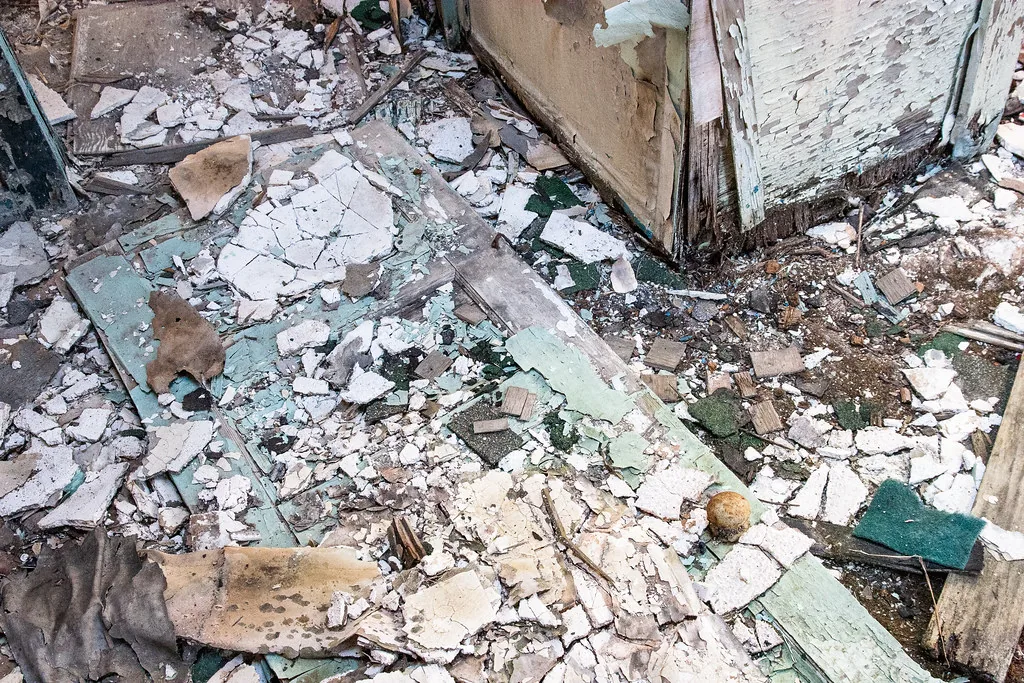
Replacing flooded drywall and insulation is usually priced as part of the overall flood restoration project rather than as a standalone job, and the total project commonly falls between $1,000 and $12,000 depending on scope. The drywall and insulation portion depends on how many linear feet of wall were affected, how high the water wicked, whether insulation was saturated, and what level of finishing the walls need afterward. A single small wall section costs far less than a finished basement where every wall needs the lower several feet removed and rebuilt. Because the extent is only fully known once wet materials are opened up, honest pricing follows an on-site assessment, not a phone estimate.
Why this is usually part of a bigger project
Drywall and insulation replacement rarely happens in isolation after a flood. By the time walls need opening, there has been extraction, and there will be drying, and afterward there is finishing and painting. Contractors therefore scope it as one project with phases, and the drywall line item sits alongside extraction, drying equipment time, disposal, sanitizing, and rebuild work. Asking what drywall replacement costs on its own is a bit like asking what an engine costs without the car: the number exists, but it is not how the work is actually sold or performed.
This bundling is also practical. The same crew that opens the walls manages the drying of the cavities behind them, verifies the framing is dry, and then closes the walls back up. Splitting these phases across different contractors creates gaps where moisture verification gets lost.
What drives the drywall and insulation portion up or down
Extent. Linear feet of affected wall and the height of removal are the primary drivers. A laundry room with one wet wall is a small job; a finished basement with water on all four walls is a large one. Wicking pushes the removal line above the visible waterline, which surprises homeowners who estimated from the flood mark.
Insulation type and saturation. Fiberglass batts that absorbed water are removed and replaced; they cannot be dried back to function. The replacement itself is straightforward, but the labor of removal, cavity drying, and reinstallation adds up across many walls.
Finishing level. Hanging new drywall is only part of it. Taping, mudding, sanding, priming, and painting to match the existing walls take real time, and textured or custom finishes take more. An unfinished basement that just needs the lower section replaced and painted is far simpler than a finished living space that must look untouched afterward.
Access and complications. Walls with built-in shelving, paneling over drywall, or utilities running through the wet section all slow the work. Contaminated water adds protective protocols and disposal requirements to every step.
Why per-square-foot quotes are misleading here
You may see restoration priced per square foot online, but be skeptical of applying it blindly to your basement. Per-square-foot math assumes an average job, and flood work is lumpy: one wall might need full replacement while the opposite wall needs nothing, and the finishing level varies by room. Professionals who quote this way without seeing the space are averaging over unknowns. The reliable path is an itemized scope: this many linear feet, this removal height, this insulation type, this finish level. That is a number you can compare and trust.
The hidden part: what is found after opening
The estimate you receive before demolition is necessarily provisional, because the full extent of wet insulation and framing moisture is only visible once walls are open. Sometimes the news is good: the water wicked less far than feared. Sometimes the scope grows: insulation is saturated two feet higher than the drywall damage suggested, or the bottom plate of the framing needs attention. A trustworthy contractor explains discoveries as they happen and gets approval before expanding the scope. Ask up front how they handle this, so the process is agreed before the walls come open.
Insurance and documentation
If the flood is a covered loss, drywall and insulation replacement is part of the claim, and documentation is what makes the claim smooth. Photograph the walls before demolition, keep samples of the removed materials if the adjuster wants them, and keep the itemized scope and all receipts. Standard homeowners policies exclude flooding itself, as the Ohio Department of Insurance confirms, so coverage for this work depends on the cause of the water and your endorsements. When in doubt, ask your agent before assuming.
Frequently Asked Questions
Can I do the demolition myself to save money?
You can, and some homeowners do, but do it right: wear protective gear, especially with contaminated water; cut above the measured moisture line, not the visible stain; and document everything for insurance first. Poor DIY demolition that leaves wet material behind or spreads contamination costs more to fix than it saved.
Does insurance cover drywall and insulation replacement?
If the water damage itself is a covered loss, then yes, this work is typically part of the claim. If the cause is excluded, such as rising floodwater without a flood policy, the replacement cost is excluded too. The cause determines everything.
How long does the drywall portion take?
Removal is fast, often a day. The cavity must then dry and be verified, which takes days. Hanging, finishing, and painting new drywall typically takes the better part of a week for a moderate job, with drying time between coats. Rushing the finishing over a damp cavity is a classic mistake.
Should I upgrade to moisture-resistant drywall?
It is a reasonable upgrade for basements, since it tolerates incidental moisture better than standard board. But understand its limits: it is not waterproof, and it still must be removed if soaked by contaminated water. Discuss it as an option during the rebuild, not as flood-proofing.
What happens to the insulation that gets removed?
It is bagged and disposed of, since wet insulation cannot be restored to its function. The wall cavity is then dried and verified before new insulation goes in. Never close a wall over insulation or framing that has not been verified dry.
Sources
- U.S. EPA, Mold guidance: dry water-damaged areas within 24 to 48 hours; moisture control is the key to mold control.
- Ohio Department of Insurance, Flood insurance is not included in routine homeowner and renter's policies; ask your agent about sewer backup or sump pump endorsements.
- Ready.gov, Floods: homeowner's insurance policies do not cover flooding; NFIP coverage typically takes up to 30 days to go into effect.
Related Guides
- How Long Does Basement Flood Cleanup Take?
- Do I Need to Replace Carpet After Basement Flooding?
- What's the Best Way to Dry Out a Flooded Basement?
Related Services
Questions About Basement Flooding?
Call MH Restoration at (800) 231-6861, serving 909 Ohio communities.
(800) 231-6861Call Now