How Long Does Basement Flood Cleanup Take?
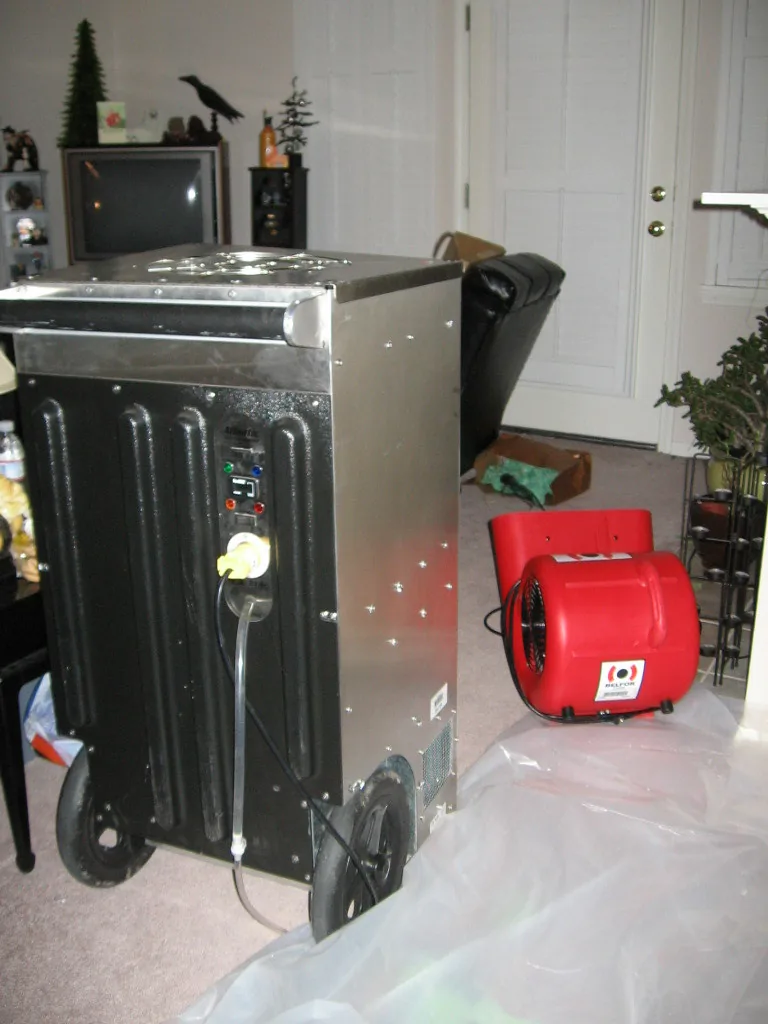
The timeline has three phases that run at different speeds. Water extraction usually happens within hours of work starting. Structural drying typically takes several days, often three to five, because moisture inside walls and subflooring releases slowly even with professional equipment running. Full restoration, including any rebuilding of drywall, flooring, and trim, can extend the project to several weeks depending on the scope. The biggest variables are how much water entered, what it was contaminated with, how long materials stayed wet, and how much demolition the job requires.
Phase one: extraction, measured in hours
Removing standing water is the fastest phase once work begins. Portable or truck-mounted extraction equipment can pull thousands of gallons in a matter of hours, and the visible transformation is dramatic. This speed matters because every hour of standing water is an hour of moisture migrating deeper into materials. But extraction finishing quickly does not mean the project is nearly done. It means the project can properly begin, because drying cannot start in earnest until the liquid water is gone.
Phase two: drying, measured in days
This is the phase people underestimate. Drying a basement is not about making surfaces look dry; it is about bringing the moisture content inside drywall, wood framing, subflooring, and concrete down to verified dry standards. That process typically takes several days, often three to five for a moderate loss, and longer for severe ones. Professional drying balances air movement, dehumidification, and temperature, and progress is tracked with moisture meter readings, not by eye.
Two things extend drying time reliably. Hidden moisture, water trapped behind walls, under flooring, or in insulation, dries far slower than exposed surfaces. And high indoor humidity, common in Ohio summers, forces dehumidification equipment to work harder. Rushing this phase by pulling equipment early is one of the most common causes of mold problems months later.
Phase three: restoration, measured in weeks
If demolition was required, rebuilding takes the longest. Removed drywall must be replaced, taped, finished, and painted. Flooring goes back down. Trim is reinstalled. Each trade needs its turn, and materials need ordering. A project with significant rebuilding commonly runs several weeks from start to finish. Unfinished basements that needed no demolition skip most of this phase, which is why their total timelines are so much shorter.
What compresses or stretches the timeline
Fast starts compress everything. Extraction beginning the same day, drying equipment running within 24 to 48 hours, and prompt decisions on demolition keep the project near the short end. Delays stretch it: waiting days to begin, discovering hidden moisture mid-project, insurance adjuster scheduling, and contractor availability for rebuild work. Contaminated water adds steps, protective protocols, more removal, sanitizing, that clean water does not require.
One honest note: no reputable company can promise you a completion date before assessing the loss. Timelines given without moisture readings and a defined scope are wishes, not plans. What a good company can tell you early is the sequence, what happens in what order, and what has to be true before the next phase starts.
What you can do while the work proceeds
While drying runs, your most useful job is documentation and decision-making. Keep a simple log of what was done each day, which helps if insurance questions arise later. Decide on flooring and finishes for the rebuild early, since material ordering is often what stretches the restoration phase. If you are filing a claim, stay in contact with your adjuster and share the professional's itemized scope. And resist the urge to pull equipment early because the basement looks done; ask for the moisture readings instead. Your patience during the drying phase is what protects the rebuilding phase from having to be done twice.
Living in the house during the work
For most basement floods, the upstairs remains livable while work proceeds below. Drying equipment is loud, which is the main inconvenience, and there may be periods without basement power if electrical components were affected. If the water was sewage, or if mold remediation is underway, professionals may recommend limiting basement access until sanitizing and verification are complete. Ask directly about access and safety at each phase rather than assuming.
Frequently Asked Questions
Can the drying be sped up?
To a point. Proper equipment sizing, good air circulation, and dehumidification already optimize the process. What cannot be sped up is the physics of moisture leaving dense materials. Cutting drying short to save time is the classic way to create a mold problem that costs far more than the days saved.
When can I use my basement again?
For storage and laundry, often once drying is verified and any demolition areas are safe, sometimes within a week or two. For a finished living space, after rebuilding is complete. Get the specific answer for your project from the company doing the work, based on moisture readings, not appearances.
Why does drying take days when the water was gone in hours?
Because liquid water and bound moisture are different problems. Extraction removes the puddle; drying removes the water absorbed into drywall, wood, and concrete. Absorbed moisture releases slowly, and the job is not done until interior readings confirm it.
Will I need to move out?
Rarely for a basement-only flood. The main disruptions are equipment noise and limited basement access. If contamination was severe or mold remediation is extensive, discuss it with the project lead, but whole-house relocation is uncommon for this type of loss.
What if I have a deadline, like selling the house?
Tell the company up front. Some phases can be sequenced efficiently, but drying cannot be meaningfully rushed, and rebuilding depends on trade scheduling. A realistic plan built around your deadline beats a promised date that falls apart.
Sources
- U.S. EPA, Mold guidance: dry water-damaged areas within 24 to 48 hours; moisture control is the key to mold control.
- Ready.gov, Floods: do not touch electrical equipment if it is wet; avoid wading in contaminated floodwater.
Related Guides
- How Much Water in My Basement Requires Professional Help?
- What's Included in Professional Basement Flood Cleanup?
- How Do I Prevent My Basement From Flooding Again?
Related Services
Questions About Basement Flooding?
Call MH Restoration at (800) 231-6861, serving 909 Ohio communities.
(800) 231-6861Call Now