What's the Health Risk of Mold in a Flooded Basement?
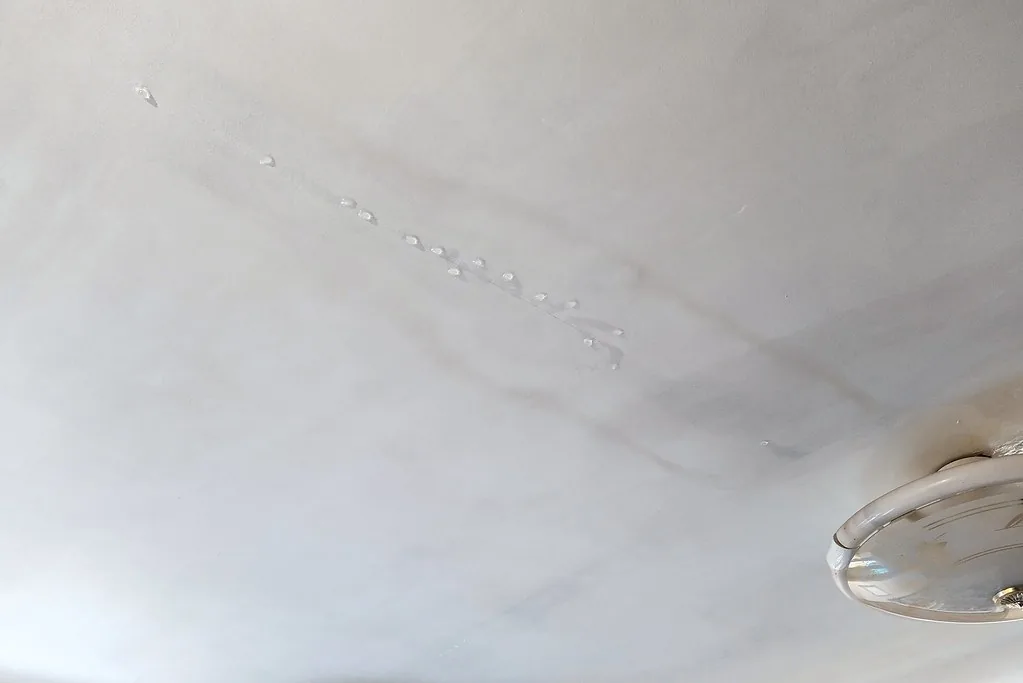
Mold itself is a common organism, and the health concern after a basement flood is about exposure to elevated levels of mold and the damp conditions that produce them. The EPA's position is straightforward: the key to mold control is moisture control, and water-damaged areas should be dried within 24 to 48 hours to prevent mold growth. Some people are more sensitive than others, particularly those with allergies, asthma, or other respiratory conditions. The risk is reduced most effectively by removing the moisture quickly, not by worrying about mold in the abstract.
What the EPA actually says
The EPA's mold guidance is refreshingly plain: moisture control is mold control. Mold needs moisture to grow, so a basement that is dried promptly and thoroughly is a basement where mold cannot get established. The agency's specific benchmark is that water-damaged areas and items should be dried within 24 to 48 hours to prevent mold growth. That window is about prevention, not a guarantee: drying within it greatly reduces the chance of a mold problem, while materials that stay wet beyond it become increasingly likely to support growth. The practical takeaway is that speed of drying matters more than any product applied afterward.
Who is more sensitive, and why it matters
Sensitivity to mold varies from person to person. People with mold allergies, asthma, or chronic respiratory conditions tend to react at lower exposure levels, and their symptoms can include the familiar allergy pattern of sneezing, congestion, and irritated eyes, or aggravated asthma. This is worth knowing for planning, not for alarm: if someone in the household is in a sensitive group, that is a reason to keep them out of the affected area during cleanup, to prioritize fast and thorough drying, and to consider professional help sooner rather than later. It is not a reason to panic about a damp basement, and this article cannot diagnose anyone's condition. If you have health concerns about mold exposure, talk to a healthcare provider.
Floodwater brings more than moisture
Health risk after a flood is not only about mold. Floodwater that entered from outside can carry bacteria and other contaminants, which is why Ready.gov advises avoiding wading in floodwater and notes it can be contaminated and contain dangerous debris. Sewage backup is a separate and more serious contamination category that requires protective handling. This matters because the cleanup approach changes with the water: clean water from a supply line is primarily a drying problem, while water of unknown or contaminated origin is a contamination problem first and a drying problem second. Identifying the source honestly is part of assessing the risk accurately.
What actually reduces the risk
Risk reduction follows a clear order. First, remove the water and the moisture: extraction, then controlled drying, with moisture verified by measurement rather than by touch. Second, remove porous materials that cannot be thoroughly cleaned and dried within the 24 to 48 hour window, because materials like saturated drywall and insulation become mold reservoirs. Third, keep the space ventilated and dehumidified during and after the process. Fourth, keep sensitive individuals out of the work area until it is dry and clean. Notice what is not on the list: spraying bleach on mold and declaring victory. Surface treatment without moisture removal addresses the symptom while the cause continues.
When a musty smell deserves attention
A persistent musty odor after a flood is information, not just a nuisance. Musty smells typically indicate microbial activity somewhere, often in a place you cannot see: behind drywall, under flooring, or inside wall cavities where moisture remains. If a basement was extracted and surface-dried but still smells musty weeks later, that is a reasonable signal that hidden moisture was never addressed and the drying was incomplete. At that point the useful step is investigation with moisture measurement, not stronger air freshener. Odor that fades as the space genuinely dries is normal; odor that persists is a diagnostic clue.
Frequently Asked Questions
Is black mold especially dangerous?
Color is not a reliable indicator of hazard, and the term gets more fear attached to it than the evidence supports for typical residential exposures. What matters is the extent of growth, the duration of exposure, and individual sensitivity. Large areas of any mold growth in a living space deserve proper remediation regardless of color.
Can I just bleach mold I can see?
Bleach can discolor surface mold, but it does not address moisture inside porous materials, and dead mold can still affect sensitive individuals. On hard, non-porous surfaces, cleaning is reasonable. On porous materials like drywall, the affected section generally needs removal, not surface treatment.
Should my family stay out of the basement during cleanup?
Keeping people, especially children and anyone with respiratory conditions, out of the affected area during active cleanup is sensible. Once the space is dry, cleaned, and odor-free, normal use can resume. There is no need to evacuate the whole house for a contained basement issue.
How do I know the mold risk is actually gone?
The risk is controlled when the moisture is gone and stays gone. That means verified dry readings in previously wet materials, no persistent musty odor, and no visible growth. If any of those three is missing, the job is not finished.
Sources
- U.S. Environmental Protection Agency, Mold guidance: moisture control is key; dry water-damaged areas within 24-48 hours
- Ready.gov, FEMA guidance: avoid wading in floodwater, which can be contaminated
Related Guides
- How Much Water in My Basement Requires Professional Help?
- What's Included in Professional Basement Flood Cleanup?
- How Do I Prevent My Basement From Flooding Again?
Related Services
Questions About Basement Flooding?
Call MH Restoration at (800) 231-6861, serving 909 Ohio communities.
(800) 231-6861Call Now