What's Included in Professional Basement Flood Cleanup?
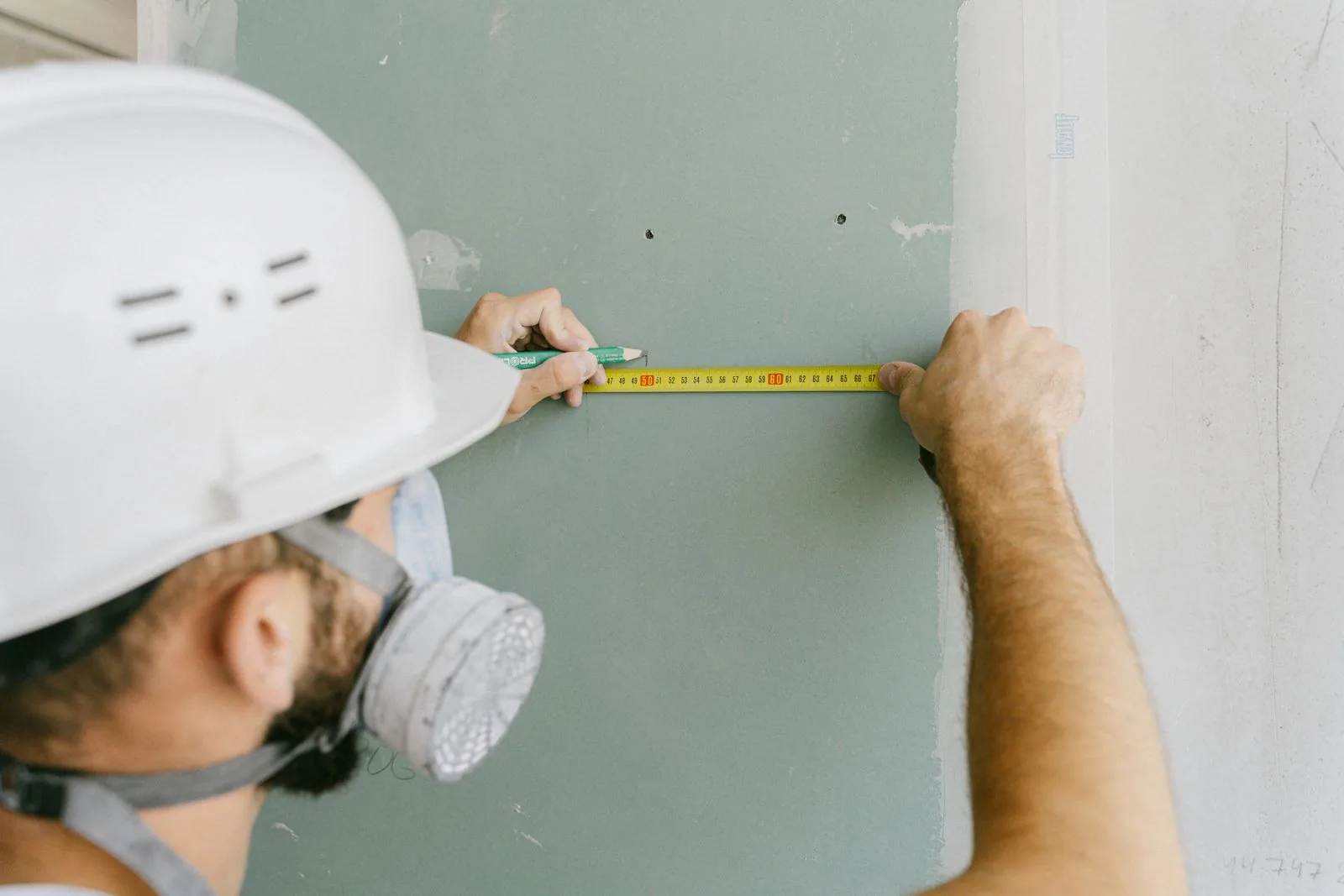
Professional basement flood cleanup typically includes assessment and moisture mapping, standing water extraction, removal of materials that cannot be saved, structural drying with dehumidification, cleaning and sanitizing of affected surfaces, and verification that materials are actually dry. Rebuilding, such as replacing drywall, flooring, and paint, is usually a separate restoration phase with its own scope and price. Because companies define their scopes differently, always ask for an itemized list of what is included before work begins, so you can compare estimates fairly.
It Starts With Assessment, Not Equipment
Professional work begins with figuring out what is wet, not just what looks wet. Technicians use moisture meters to map how far water traveled into walls, flooring, and framing, and to establish baseline readings for each material. This assessment determines the entire scope: what can be dried in place, what must be removed, and how long drying should take. A company that starts running equipment before measuring is guessing. Ask what the assessment found and what it means for your specific basement, because that conversation is the foundation of everything that follows.
Water Extraction
Standing water is removed with pumps and high-capacity extraction equipment. Speed matters here: the faster liquid water leaves, the sooner materials stop absorbing it and the sooner controlled drying can begin. Extraction also includes water trapped in carpet and padding, which holds far more water than it appears to. This phase is usually the quickest part of the job, but it sets the ceiling for everything after it, since drying cannot outpace the water that was left behind.
Selective Removal of Materials
Not everything wet gets removed, and not everything wet should stay. Carpet padding, saturated insulation, swollen particleboard, and waterlogged drywall sections are typical removals, because they cannot be dried within the window that prevents mold. The EPA advises discarding materials that cannot be thoroughly cleaned and dried within 24 to 48 hours. Good technicians remove as little as necessary but as much as needed, and they should be able to explain why each removed material could not be saved. Vague demolition without explanation is worth questioning.
Structural Drying and Monitoring
After extraction and removal, the remaining structure is dried under controlled conditions using air movement, dehumidification, and sometimes added heat. Equipment placement is deliberate, and drying is monitored with follow-up meter readings over several days. This phase is where most of the project time goes, and it is also where quality differences between companies show up most clearly. Drying that is monitored and adjusted beats drying that is set up once and left alone.
Cleaning, Sanitizing, and Verification
Once materials are dry, affected surfaces are cleaned and sanitized, which matters most when the water was gray or black. Then comes verification: final moisture readings compared against dry standards, confirming the structure is actually dry before anything is closed back up. Ask to see these readings. Verification is the step that protects you from mold appearing weeks later behind freshly rebuilt walls, and it is the clearest evidence that the mitigation phase is truly complete.
What Is Usually a Separate Phase
Mitigation, everything described above, stops the damage. Restoration, rebuilding drywall, replacing flooring, repainting, restoring finishes, is typically quoted and performed as a separate phase after dryness is verified. Contents handling, such as moving, cleaning, and storing your belongings, may also be billed separately. None of this is a trick; they are genuinely different scopes of work. The practical move is to get each phase itemized in writing, so you know exactly where mitigation ends and restoration begins, and what each part costs.
How to Read an Estimate Line by Line
Estimates read like a foreign language until you know the vocabulary. Mobilization or inspection covers getting crew and equipment to you. Extraction is usually priced by area or as a flat service. Demolition or removal should state quantities, such as linear feet of drywall removed, because vague removal lines hide the most common price growth. Drying equipment is typically a daily rate per machine times the number of days, so ask for the estimated day count. Monitoring visits cover technicians returning to take readings. Antimicrobial application and contents manipulation should be separate lines, not buried. A single lump sum labeled water damage repair with no breakdown is not an estimate you can compare or question, so ask for the detail.
Frequently Asked Questions
Is drying included in flood cleanup, or is it extra?
Structural drying is normally part of the mitigation scope, not an add-on. If an estimate lists extraction but not drying and monitoring, ask why, because a cleanup without verified drying is incomplete.
Will the company move my belongings?
Most companies will move items out of the work area as part of the job, but specialized contents cleaning, pack-out, and storage are often separate services. Clarify this before work starts so nothing is assumed on either side.
Will they have to tear out my walls?
Only the portions that cannot be dried in time. Wet drywall is often cut at a measured height above the waterline, which allows wall cavities to dry and be inspected. Ask the technician to show you the moisture readings that justify each cut.
Is mold remediation included in flood cleanup?
Preventing mold through fast drying is part of mitigation. Treating established mold growth is remediation, a different scope. If mold is already present when the company arrives, expect it to be addressed as a separate line item.
How do I know the job is actually done?
Final moisture meter readings compared against dry standards, documented in writing. Surfaces feeling dry is not verification. A completed job should leave you with readings, a list of removed materials, and an itemized invoice.
Sources
- U.S. EPA: What Is Mold?, Guidance on discarding materials that cannot be dried within 24 to 48 hours.
- Ready.gov: Floods, FEMA after-flood cleanup safety guidance.
Related Guides
- What's the Health Risk of Mold in a Flooded Basement?
- How Do Professionals Assess Water Damage in Basements?
- Can Basement Flooding Cause Structural Damage to My Home?
Related Services
Questions About Basement Flooding?
Call MH Restoration at (800) 231-6861, serving 909 Ohio communities.
(800) 231-6861Call Now