How Much Water in My Basement Requires Professional Help?
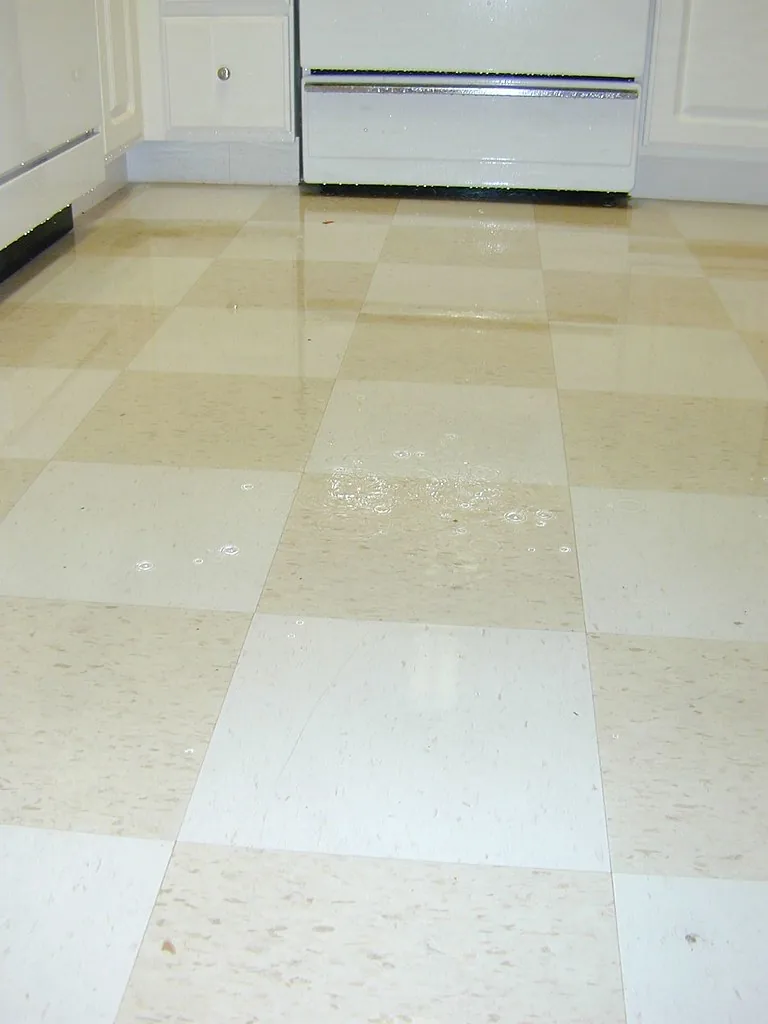
There is no single depth or gallon count that automatically means calling a professional, because the right answer depends on the water source, contamination, affected materials, and whether water is still entering. As a practical framework: a small, shallow puddle from a known clean source that you can fully extract and dry is often manageable on your own. Inches of standing water across a wide area, water of unknown or dirty origin, water touching electrical systems, or water in a finished basement usually warrants professional help. When in doubt, a professional assessment costs far less than the damage from guessing wrong.
Why Depth Alone Is a Bad Measure
An inch of sewage across a finished basement is a far bigger problem than an inch of clean water in an unfinished utility corner, yet both are an inch. Depth tells you nothing about contamination, nothing about what the water has soaked into, and nothing about whether more water is on the way. Companies do not triage by depth alone either; they ask about the source, the spread, the materials, and the timeline. Use depth as one data point among several, not as the decision.
The Five Factors That Actually Matter
Source: clean water from a supply line is the most forgiving; gray water from appliances or drains is riskier; sewage or exterior stormwater is contaminated and changes everything. Volume and area: a bucket's worth in one spot differs from water covering hundreds of square feet. Contamination: any sign of sewage, strong odor, or discoloration pushes the decision toward professionals. Materials: water on bare concrete is simpler than water in carpet, drywall, and insulation. Status: water that has stopped is a cleanup question; water still entering is an emergency that needs the source addressed first.
When DIY Can Be Reasonable
Doing it yourself can make sense when several conditions line up: the water source is known and clean, the amount is small and contained, no electrical hazards exist, the water has stopped entering, and you can genuinely dry the area afterward, not just remove the visible water. A wet vacuum, towels, fans, and a dehumidifier can handle a minor incident. The critical part is the drying that follows removal: the EPA advises drying water-damaged areas within 24 to 48 hours, and if you cannot verify that affected materials actually dried, a small DIY job can quietly become a mold problem.
When Professional Help Is the Safer Call
Call a professional when the water may be contaminated, when you cannot identify the source, when standing water is deep or widespread, when a finished basement is affected, when water has been sitting for more than a day or two, or when electrical systems may be involved. Also call when hidden moisture is likely: water that wicked into walls, got under flooring, or soaked insulation needs assessment with moisture meters, which most homeowners do not have. If anyone in the household has respiratory conditions or compromised immunity, lean toward professional handling because mold exposure risks are higher for them.
What to Do While You Decide
While you are deciding, do the safe things first. Do not enter water that may contact electrical equipment; Ready.gov warns against touching electrical devices when wet or standing in water. If you can safely shut off the water source, do so. Move valuables and important documents to dry ground. Take photos of everything before you move or discard items, since documentation matters for insurance. Then make the call: describing the source, depth, area, and how long the water has been there helps any company give you a straight answer about whether you need them.
A Five-Minute Self-Check
Walk through these six questions and the answer usually becomes clear. 1. Safety: is there any electrical risk, sewage smell, or water too deep to see through? If yes, stay out and call. 2. Source: do you know where the water came from, and has it stopped? Unknown or active sources point toward professionals. 3. Scale: is it one corner or multiple rooms? 4. Materials: bare concrete floor or finished walls, carpet, and insulation? 5. Time: hours or days? 6. Capability: can you actually dry what got wet, not just remove the visible water? If most answers land on unknown, contaminated, spreading, finished, or long-duration, make the call. If they land on known, clean, small, stopped, and unfinished, DIY is defensible.
Frequently Asked Questions
Is an inch of water across the basement a big deal?
It can be. An inch across a large finished basement is a significant volume of water in contact with a lot of material, and if the source is unknown or the water sat for a while, professional assessment is worthwhile. An inch in one small unfinished corner from a known clean source is a different story.
The water already receded on its own. Do I still need help?
Possibly. Receded water leaves moisture behind in materials, and that hidden moisture is what causes mold. If drywall, carpet, or insulation got wet, the drying still needs to happen and be verified, even though the standing water is gone.
Can my shop vacuum handle a basement flood?
For small amounts of clean water, yes, if the vacuum is rated for wet use. For deep or widespread water, or any water that might be contaminated, a shop vac is too slow and the wrong tool, and contaminated water should not be handled with household equipment.
What if I don't know where the water came from?
That alone is a good reason to call a professional. Unknown source means unknown contamination and unknown whether it will happen again. Moisture assessment can often trace the entry path, which matters as much as the cleanup.
Should I call at night, or wait until morning?
If water is actively entering, may be contaminated, or threatens electrical systems, do not wait. If the situation is stable, the source is stopped, and the water is minor and clean, waiting until morning is reasonable, but start safe steps like moving valuables and documenting now.
Sources
- U.S. EPA: What Is Mold?, The 24 to 48 hour drying window that frames the DIY decision.
- Ready.gov: Floods, FEMA safety guidance on electrical hazards and contaminated floodwater.
Related Guides
- What Professional Should I Call for Basement Flooding?
- How Much Does It Cost to Replace Flooded Drywall and Insulation?
- Can Flooded Items Be Dried and Saved?
Related Services
Questions About Basement Flooding?
Call MH Restoration at (800) 231-6861, serving 909 Ohio communities.
(800) 231-6861Call Now