Should I Remove Standing Water Myself or Wait for Professionals?
You can start removing standing water yourself when it is safe to do so: the water is clean, shallow, the source has stopped, and there are no electrical hazards. Wait for professionals, and stay out of the water, when it may be sewage or stormwater, when water is deep or still rising, when the source is unknown, or when water is near electrical systems. Most real situations fall between these extremes, and the practical middle path is to take the safe steps you can, call a professional, and let them handle what you should not. Removing water yourself never hurts your position; entering unsafe water can hurt you.
The Safety Check Comes First
Before touching anything, assess the water from a safe distance. Ready.gov warns against touching electrical equipment when wet or standing in water, and advises avoiding wading in floodwater, which can be contaminated and contain dangerous debris. If water reaches electrical panels, outlets, or appliances, stay out and shut off power from a dry location if you can do so safely. If the water smells like sewage, is discolored, or came from outside during a storm, treat it as contaminated. No amount of urgency justifies entering water that could electrocute you or expose you to pathogens.
When Starting Yourself Makes Sense
DIY removal is reasonable when several conditions line up: the water source is known and clean, such as a supply line leak that is now fixed; the water is shallow and contained; no electrical hazards exist; and you have the means to remove it, such as a wet-rated vacuum or a portable pump. Starting quickly has real value because the EPA advises drying water-damaged areas within 24 to 48 hours, and every hour of extraction you complete is an hour materials spend less time saturated. For minor clean-water incidents, prompt homeowner action followed by thorough drying is often the entire solution.
If You Start, Do It Right
Removal is only half the job; drying is the other half, and it matters more. After extracting visible water, the space needs sustained air movement and dehumidification, not just a few open windows. Pull up wet rugs, move furniture off damp floors, and get air circulating. Remember that water wicked into drywall and under flooring will not be reached by surface efforts, so be honest about the limits of what you can dry. If drywall, insulation, or carpet padding got wet, professional assessment with moisture meters is warranted even after you have removed every visible drop.
When Waiting Is the Right Call
Wait for professionals when the water may be contaminated, when it is deep enough that you cannot see the floor, when it is still rising, when the source is unknown or cannot be stopped, or when electrical systems are involved. Also wait when the volume clearly exceeds household equipment: a wet vacuum against hundreds of gallons is a losing race that delays the professional response that was needed anyway. Waiting is not doing nothing; while you wait, you can shut off the source if safe, move valuables, document with photos, and keep everyone out of the water.
The Middle Path Most People Take
In practice, most homeowners do both: they take the obviously safe steps immediately and call a professional for the rest. Shutting off a water valve, moving boxes to dry ground, and photographing damage are safe for nearly everyone. Wading into murky water of unknown depth to wrestle with a pump is not. Call MH Restoration at (800) 231-6861, describe the source, depth, and spread honestly, and ask what you should and should not do before the crew arrives. A good company will tell you exactly where your safe DIY zone ends.
Equipment Worth Having Before You Need It
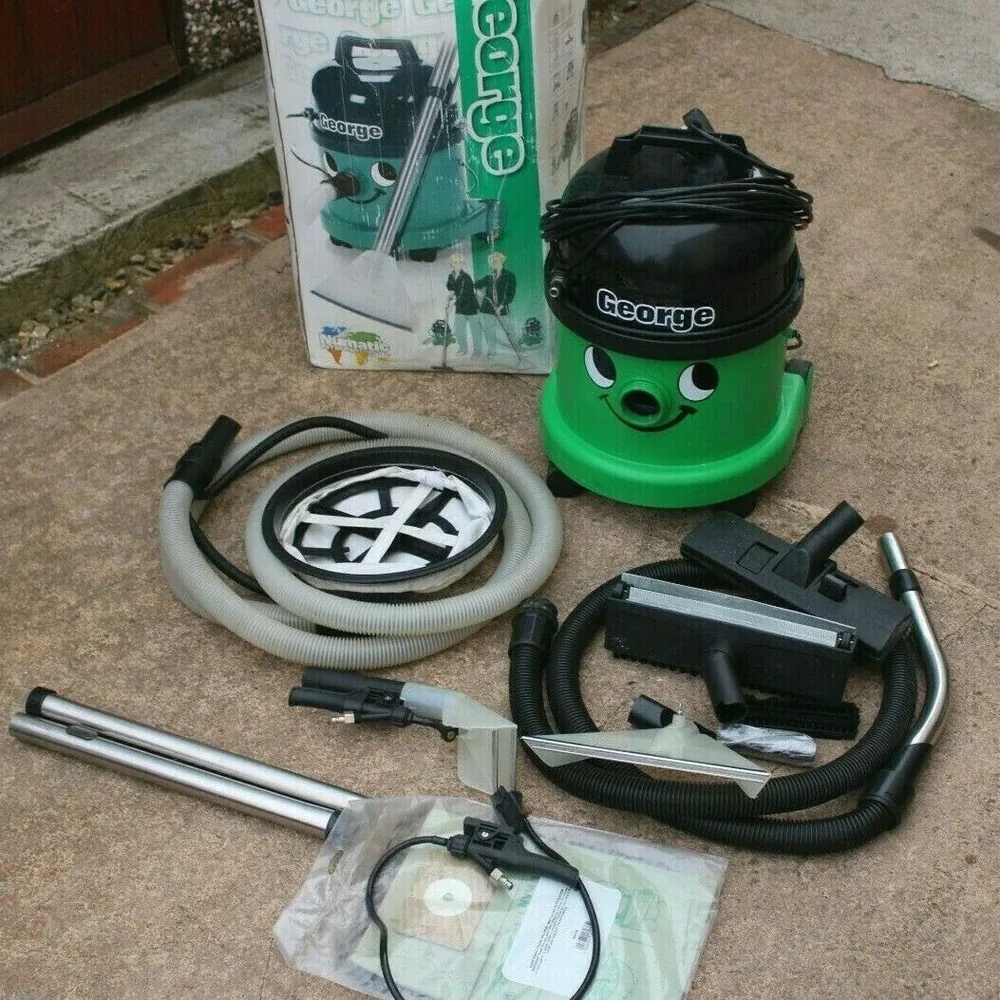
A small preparedness kit turns a 2 a.m. discovery from panic into a manageable first response. Useful basics include a wet/dry vacuum rated for water, a portable utility pump with a discharge hose for homes prone to water entry, a dehumidifier, a couple of fans, rubber boots and waterproof gloves, a bright flashlight or headlamp, and some tarps. No specific brands matter; what matters is that the equipment exists, is accessible, and works. Test the pump occasionally, keep the vacuum's filter dry and ready, and store everything where you can reach it without wading through the very water you need it for. Preparation is the cheapest part of flood response.
Frequently Asked Questions
Can I use a regular household vacuum on floodwater?
No. Standard vacuums are not rated for water and create an electrocution risk. Only use a wet/dry vacuum explicitly rated for wet use, and only for clean, shallow water with no electrical hazards nearby.
Should I turn off the power to the basement?
If water may contact electrical systems and you can reach the breaker from a completely dry location, yes. Never walk through standing water to reach a panel. When in doubt, call your utility or an electrician rather than guessing.
What if the water is still rising?
Do not enter it. Rising water means an active source or inflow you cannot control, and depth can change faster than it appears. Focus on safety, shutoffs from dry locations, moving valuables upstairs, and calling for help.
Is it safe to walk through to reach the breaker box?
Only if the path is completely dry and you are certain the water has not reached any electrical components. If there is any doubt about what the water touches, do not cross it. Electricity in water gives no warning.
Will removing water myself hurt my insurance claim?
No, as long as you document first. Photograph and video the water and damage before you start, keep an inventory of anything you discard, and save receipts for equipment or supplies. Reasonable emergency mitigation is generally expected, not penalized.
Sources
- Ready.gov: Floods, FEMA guidance on electrical hazards and avoiding contaminated floodwater.
- U.S. EPA: What Is Mold?, The 24 to 48 hour drying window behind the urgency to act.
Related Guides
- What's the Difference Between Water Cleanup and Water Restoration?
- What Causes Basement Flooding in Old Homes?
- How Much Does It Cost to Replace a Failed Sump Pump?
Related Services
Questions About Basement Flooding?
Call MH Restoration at (800) 231-6861, serving 909 Ohio communities.
(800) 231-6861Call Now