How Do I Deal With the Smell in My Basement After a Flood?
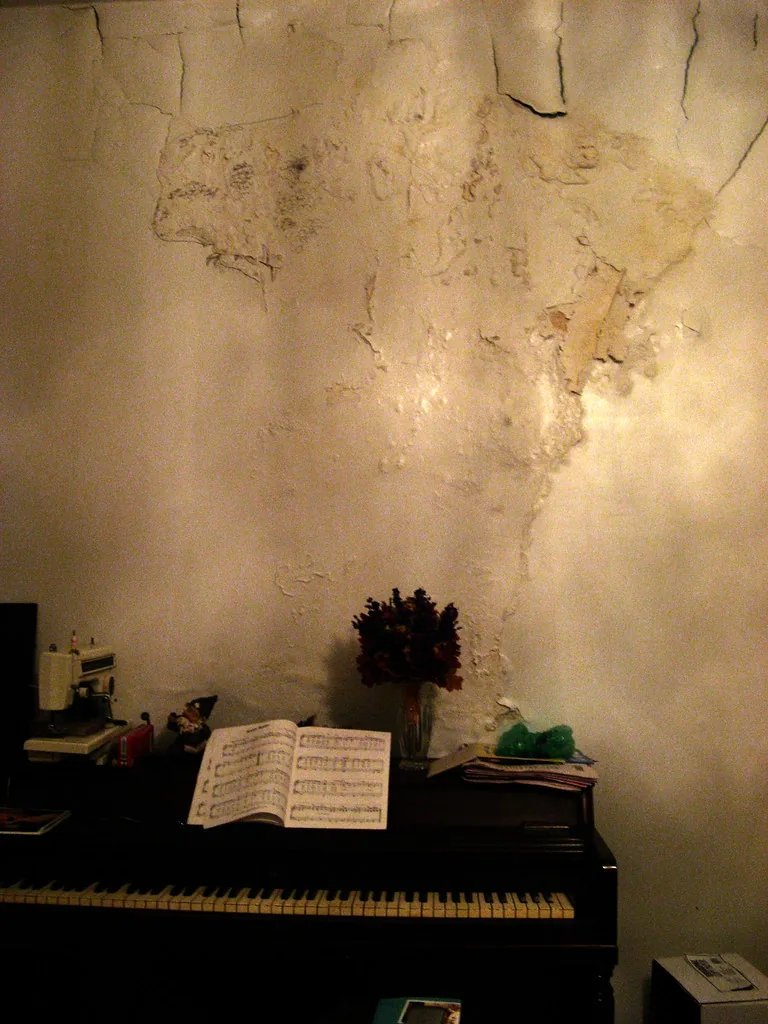
A musty smell after a basement flood is almost always a moisture signal, not just an odor problem. It typically means microbial activity is happening somewhere, often hidden: inside wall cavities, under flooring, or in materials that stayed wet past the safe window. The fix follows the cause: find and eliminate the remaining moisture, remove porous materials that cannot be dried, complete verified drying, and then clean. Air fresheners and odor masking without moisture removal just perfume the problem while it continues.
What the smell is telling you
Musty odors come from microbial volatile organic compounds, the metabolic byproducts of mold and bacteria growing on damp organic material. In plain terms, the smell is the exhaust of something living in your wet basement. That is why the odor is diagnostic: its presence means active growth somewhere, and its persistence means the growth has a continuing moisture supply. A smell that fades steadily as the basement genuinely dries is normal and reassuring. A smell that lingers for weeks after the visible water is gone is evidence that drying was incomplete, and it deserves investigation rather than acceptance.
The usual hiding places
When the basement looks dry but still smells, the moisture is somewhere you cannot see. The classic locations: inside wall cavities where drywall wicked water upward and insulation stayed saturated; under flooring where water migrated and was trapped; behind baseboards and inside the bottom plate of framed walls; and in stored porous belongings like cardboard boxes, upholstered furniture, and rugs that absorbed water and were never properly dried. Each of these is a moisture reservoir feeding both the odor and ongoing microbial growth. Finding them requires moisture measurement in suspect areas, not just sniffing around, because the worst reservoir is often behind the wall that looks finest.
The correct order: dry first, deodorize second
Odor treatment applied before complete drying is wasted effort, because the source keeps producing. The effective sequence is: locate remaining moisture with meters, remove unsalvageable porous materials that are generating the odor, finish controlled drying until readings verify the space is dry, then clean hard surfaces and apply appropriate odor treatment. Only at that point do deodorizing steps have a lasting effect, because the factory making the smell has been shut down. Homeowners who skip to the deodorizing stage often report that the smell returns within days, which is exactly what the biology predicts.
When the smell means contamination, not just dampness
Not all flood odors are musty. A sewage-like smell indicates a different problem: contamination, not just moisture. If the flood involved a floor drain, a sewer backup, or exterior water of unknown origin, odor may be signaling that contaminated materials remain in place and need removal under proper protocols, not just drying. Ready.gov's after-flood guidance treats floodwater as potentially contaminated for good reason. Do not try to deodorize sewage odor with household products while the contaminated material is still there; removal comes first, and protective handling applies throughout.
Cleaning products: what helps and what does not
Once drying is verified and the moisture source is gone, cleaning choices matter, but expectations should be realistic. On hard, non-porous surfaces, ordinary cleaning removes residue and helps with odor. On porous materials that stayed damp, no cleaning product reaches deep enough to matter, which is why removal was the right call for those in the first place. Enzymatic cleaners can help with organic odors on salvageable surfaces, while strong fragrances and foggers only mask. The hierarchy never changes: moisture elimination first, removal of what cannot be saved second, cleaning third, deodorizing last. Products applied in the wrong order waste money and, worse, create the illusion that the problem is solved while growth continues out of sight.
Preventing the smell next time
The best odor strategy is speed at the next flood, because odor is largely a function of how long materials stayed wet. Fast extraction, prompt removal of unsalvageable materials, and drying started within the EPA's 24 to 48 hour window prevent the sustained dampness that odor requires. Between floods, the maintenance that matters is moisture control: keep humidity reasonable, fix drainage that sends water toward the foundation, and test the sump pump before storm season. A basement that never stays wet never develops the smell, which sounds obvious only because it is.
Frequently Asked Questions
Will the smell go away on its own once everything dries?
If the drying was truly complete, yes, residual odor usually fades over days to weeks. If the smell persists beyond that, the drying was not complete and something is still wet. Persistent odor is a reason to investigate, not to wait longer.
Are odor bombs or foggers a good idea?
They mask odor temporarily but do nothing about moisture or growth, so the smell returns. Worse, they can give false confidence that the problem is solved. Use them, if at all, only after verified drying and proper cleaning.
My basement smells musty but never flooded. What gives?
Chronic dampness from humidity, seepage, or condensation feeds the same microbial growth as a flood, just slower. The investigation is the same: find the moisture with meters, fix the source, dry the space. A musty basement without a flood history is still a moisture problem.
Is a musty smell dangerous?
The smell itself is an indicator, not a diagnosis. It signals microbial activity that sensitive individuals may react to, particularly those with allergies or asthma. The appropriate response is to find and fix the moisture, not to panic about the odor. If you have health concerns, discuss them with a healthcare provider.
Sources
- U.S. Environmental Protection Agency, Mold guidance: moisture control is key; the 24-48 hour drying window
- Ready.gov, FEMA after-flood guidance on contaminated floodwater
Related Guides
- What Should I Remove From My Flooded Basement?
- How Long Does Basement Flood Cleanup Take?
- Do I Need to Replace Carpet After Basement Flooding?
Related Services
Questions About Basement Flooding?
Call MH Restoration at (800) 231-6861, serving 909 Ohio communities.
(800) 231-6861Call Now