What's Included in a Basement Flood Damage Estimate?
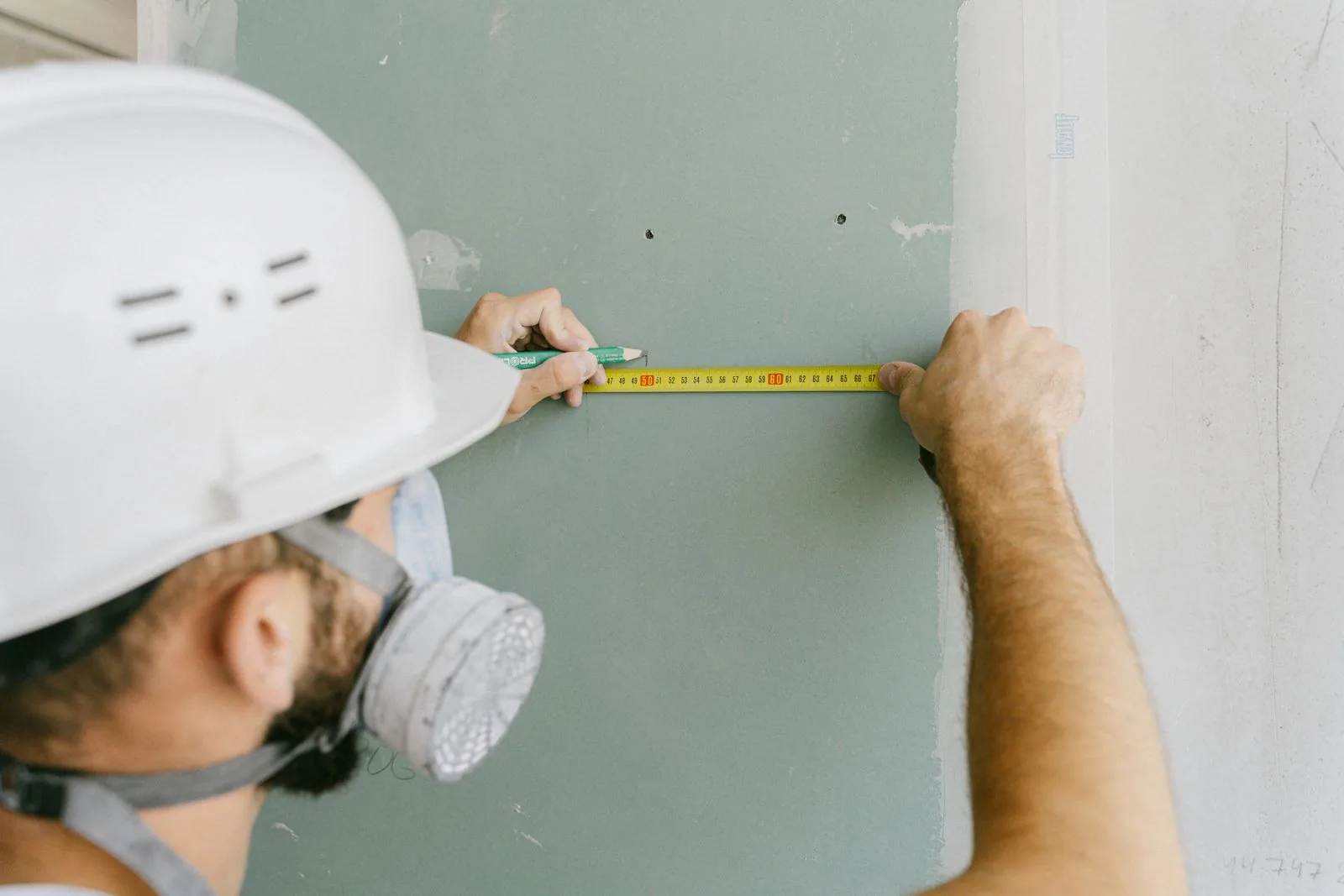
A proper basement flood damage estimate itemizes the work, not just the price. It should list water extraction, the drying plan with equipment and duration, which materials will be removed and why, cleaning and sanitizing appropriate to the water category, and restoration of what was removed. It should also show the basis: moisture readings, photos, and the water source and category assessment behind the scope. An estimate that is one number with no breakdown is not an estimate you can compare or trust.
Extraction: the first line item
Extraction is the removal of standing water, and it should appear as its own line item because it is distinct work with distinct equipment. The estimate should indicate the approximate area and depth involved and the method: truck-mounted or portable extraction for deep water, followed by detailed extraction from carpet, padding, and crevices. Extraction is the highest-leverage stage of the whole project, since removing liquid water beats evaporating it by orders of magnitude, and a thorough extraction shortens every stage that follows. If an estimate jumps straight to drying equipment without an extraction line, ask why.
Drying: equipment, duration, and verification
The drying section should specify what equipment will run, for how long, and how completion will be verified. That means the number and type of air movers and dehumidifiers, the expected drying period, and critically, the verification method: moisture readings compared against dry standards for each affected material. Drying without a verification plan is just running fans on a timer. The estimate should also note monitoring visits, since professional drying involves checking progress and adjusting equipment, not dropping machines off and returning a week later. Ask what happens if readings stall: the answer reveals whether the company understands drying science or just rents equipment.
Demolition and removal, with reasons
Removal line items should name the materials and the extent: for example, drywall removed to a specified height above the water line, carpet and padding removed from named areas, insulation removed from affected wall cavities. Each removal should carry its reason, usually that the material cannot be thoroughly dried within the safe window or that contamination makes it unsalvageable. Vague entries like general demolition are a red flag, because they hide both scope and cost. You want to see exactly what comes out, so you can later verify that exactly that was removed and nothing more.
Cleaning, sanitizing, and the water category
The cleaning scope must match the water category, and the estimate should state the category it assumes. Clean water losses need thorough cleaning; gray and black water losses need sanitizing protocols, protective measures, and disposal procedures for contaminated materials. This section is where under-scoped estimates usually fail: treating a sewage backup like a clean-water spill produces a lower price and an unsafe result. If your loss involved a floor drain, stormwater entry, or any doubt about the source, the estimate should reflect contamination-grade handling, and you should be wary of any bidder who does not ask about the source.
Restoration and the documentation package
Restoration covers putting back what was removed: drywall, insulation, flooring, trim, and paint, each as its own line item with materials specified. Beyond the work itself, the estimate should reference the documentation you will receive: photos before, during, and after; moisture logs; and the list of removed materials. This package is what your insurer needs and what proves the job was completed properly. On pricing context: complete basement flood cleanup and restoration projects typically range from $1,000 to $12,000 depending on scope, so an estimate should explain where your project falls in that range and why, not just present a number. And remember that flood damage itself is generally excluded from standard homeowners policies, though the Ohio Department of Insurance notes endorsements for sewer backup and sump pump issues may be available, so understanding your coverage before authorizing work is wise.
Frequently Asked Questions
Why do estimates for the same basement differ so much?
Because estimators make different assumptions about the water category, how much material must be removed, how long drying takes, and what verification looks like. The cheapest estimate is often the one that assumed the least work. Compare the scopes line by line, not the totals.
Should the estimate include the cause of the flood?
Yes, or at least the assessed source and water category. The cause shapes the entire scope, and your insurer will ask about it independently. An estimate silent on cause is an estimate built on an unexamined assumption.
What if hidden damage is found after work starts?
Reputable estimates note that concealed conditions may change the scope, with a process for authorizing additions: documented findings, your approval, then work. What you want to avoid is open-ended authorization signed before the first wall is opened.
Is a free estimate a good sign or a sales tactic?
It is standard in this industry and not itself a red flag. Judge the estimate by its content: measurements, categories, itemized scope, and documentation. A free estimate that contains all of that is valuable; a paid one that contains none of it is not.
Sources
- Lorain County, Ohio, County flood insurance tips: NFIP basement coverage for structural elements and equipment
- Ohio Department of Insurance, Flood exclusions; sewer backup and sump pump endorsement guidance
- U.S. Environmental Protection Agency, Mold guidance: the 24-48 hour drying window
Related Guides
- What's the Best Way to Dry Out a Flooded Basement?
- Why Did My Sump Pump Fail During Flooding?
- How Do I Know If Drywall Can Be Saved After Water Damage?
Related Services
Questions About Basement Flooding?
Call MH Restoration at (800) 231-6861, serving 909 Ohio communities.
(800) 231-6861Call Now