How Can I Speed Up Basement Drying After Flooding?
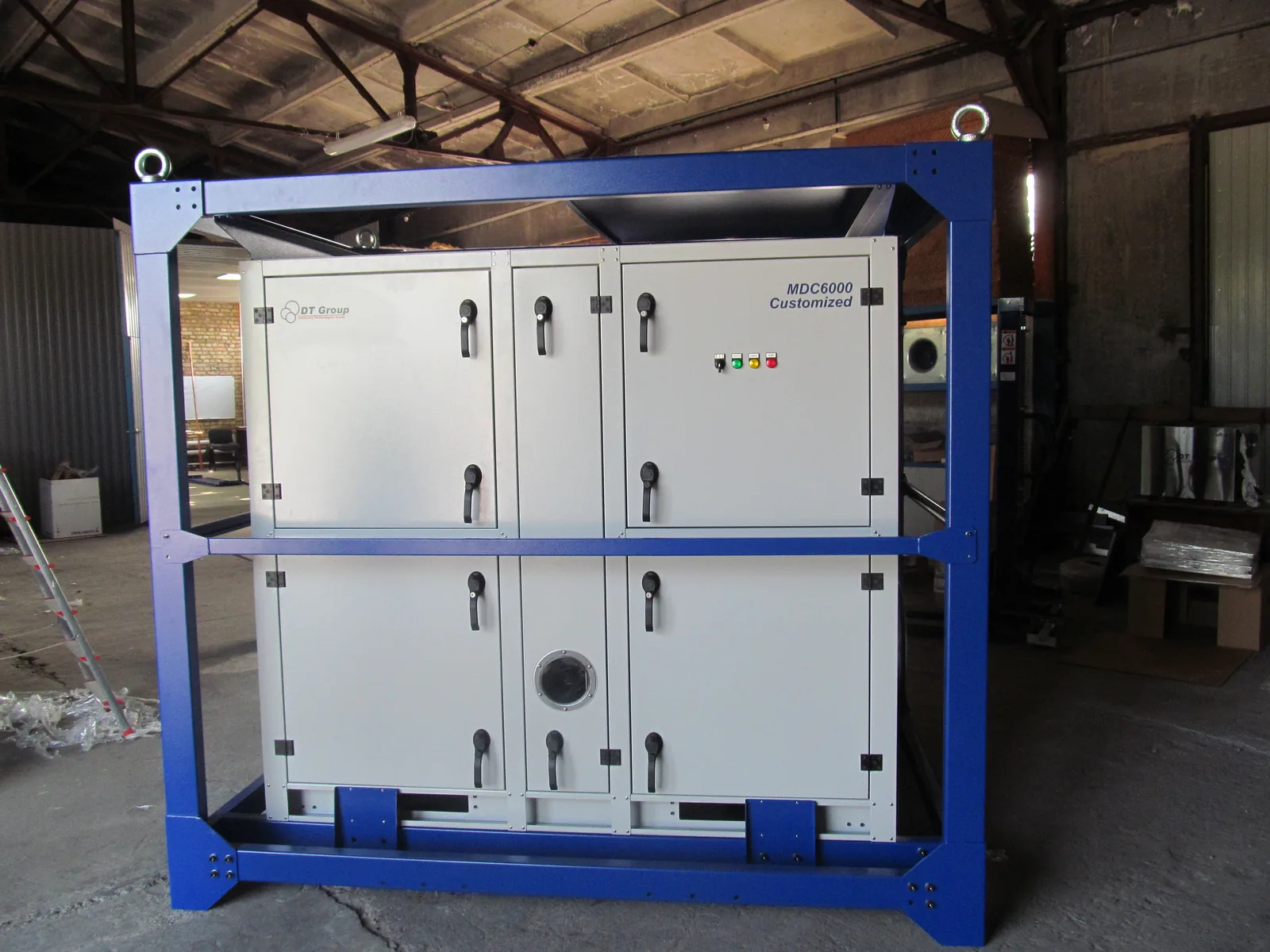
The fastest way to dry a basement is to remove the water as liquid first, then remove materials that will never dry in time, then run balanced drying with air movement and dehumidification together. Extraction matters more than anything else, because pumping out standing water removes in minutes what evaporation would take days to lift. After that, speed comes from eliminating moisture reservoirs, wet drywall, saturated insulation, soaked carpet padding, so the equipment works on materials that can actually release their moisture. There are no shortcuts past physics, but there is no reason to go slower than physics either.
Extraction first, always
Drying speed is dominated by the first stage. Every gallon extracted as liquid is a gallon the drying equipment never has to evaporate, and evaporation is slow while pumping is fast. This is why professionals extract before placing drying equipment, and why a homeowner with a wet vacuum who starts immediately has already done the highest-value work. The common mistake is reversing the order: placing fans over standing water and hoping airflow does the job of a pump. It does not, and the EPA's 24 to 48 hour window for preventing mold growth keeps ticking while the water sits.
Remove what will never dry in time
The second speedup is subtraction. Materials like saturated drywall, wet fiberglass insulation, and soaked carpet padding hold large volumes of water and release it too slowly to beat the mold clock, so removing them accelerates everything that remains. This feels counterintuitive, cutting out wall sections to go faster, but a wall cavity full of wet insulation is a moisture battery feeding the surrounding framing for weeks. Once the reservoirs are out, airflow reaches the structural materials directly and drying proceeds at their natural rate instead of the insulation's. The decision of what stays and what goes should be made early, because every day of delay is a day the remaining materials stay wet.
Balance airflow with dehumidification
Drying is evaporation plus moisture removal from the air, and both halves must work together. Air movers push dry air across wet surfaces so moisture migrates into the air; dehumidifiers pull that moisture out of the air so evaporation can continue. Running fans without dehumidification in an already humid basement saturates the air and stalls the process, which is why opening windows on a humid Ohio summer day can actually slow drying. Temperature matters too: warmer air holds more moisture, so moderate warmth helps, within reason. Professional setups are sized to the space and the moisture load, and progress is checked with meters and adjusted, not left to run on hope.
What slows drying down
Several common conditions fight the process. Hidden moisture behind walls or under flooring keeps feeding humidity into the space while the visible areas dry, which is why moisture mapping at the start matters. High outdoor humidity limits what ventilation can achieve. Cold temperatures slow evaporation. And perhaps most commonly, drying equipment that is undersized for the moisture load, too few air movers, a dehumidifier meant for a bedroom trying to dry a basement, produces motion without progress. If readings are not dropping over a couple of days, something in this list is the reason, and the answer is diagnosis, not more time.
Monitoring: knowing when to adjust course
Drying is not a set-and-forget operation, and the difference between a three-day dry and a ten-day dry is often monitoring. Moisture readings taken in the same locations every day or two show whether the plan is working: readings should fall steadily toward each material's dry standard. If readings stall, something needs to change, more airflow to a trapped area, an additional dehumidifier, or the discovery of hidden moisture that was missed in the initial mapping. A flat reading curve is information, not failure, but only if someone is watching the curve. This is the practical reason professional drying includes monitoring visits rather than just equipment drop-off, and it is the stage homeowners most often skip when drying on their own.
Safety limits on homeowner drying
Speed never justifies unsafe shortcuts. Do not touch electrical equipment if it is wet or if you are standing in water, as Ready.gov plainly warns, and do not energize circuits in the affected area until they are verified safe. Do not run fuel-burning heaters indoors for drying warmth. And do not attempt to dry sewage-contaminated materials faster with household methods; contamination requires protective handling regardless of the timeline. The fastest safe drying is aggressive extraction, prompt removal of unsalvageable materials, and properly sized equipment, all within the bounds of electrical and contamination safety.
Frequently Asked Questions
Will opening windows help dry my basement?
Only if the outdoor air is drier than the indoor air. On a dry, breezy day it can help; on a humid summer day it feeds moisture back in. Dehumidification is the reliable method because it works regardless of weather.
How do I know drying is actually progressing?
Moisture meter readings taken in the same spots over time. Readings should trend downward toward the dry standard for each material. If you have no meters, the honest answer is that you cannot know, which is itself useful information about whether to bring in professional assessment.
Can I rent the same equipment professionals use?
Often yes, but equipment without knowledge underperforms. Placement, sizing, and monitoring matter as much as the machines. A common rental mistake is one dehumidifier for a whole flooded basement, which is like bailing a boat with a teacup.
Does drying speed affect mold risk directly?
Yes, and that is the entire point of the EPA's 24 to 48 hour guidance. Mold needs sustained moisture; every day you shave off the drying timeline is a day less of the conditions mold requires. Speed is prevention.
Sources
- U.S. Environmental Protection Agency, Mold guidance: dry water-damaged areas within 24-48 hours
- Ready.gov, FEMA guidance: electrical safety around wet equipment after floods
Related Guides
- Why Did My Sump Pump Fail During Flooding?
- How Do I Know If Drywall Can Be Saved After Water Damage?
- What Professional Should I Call for Basement Flooding?
Related Services
Questions About Basement Flooding?
Call MH Restoration at (800) 231-6861, serving 909 Ohio communities.
(800) 231-6861Call Now