Basement Window, Window-Well & Hydrostatic Water Damage in Little Hocking, OH
MH Restoration offers basement window, window-well & hydrostatic water damage in Little Hocking, OH, serving 45742 and nearby Washington County communities. Cleanup for the sneaky entries: window wells, leaking windows, and groundwater pressure from below. Reach us at (800) 231-6861.
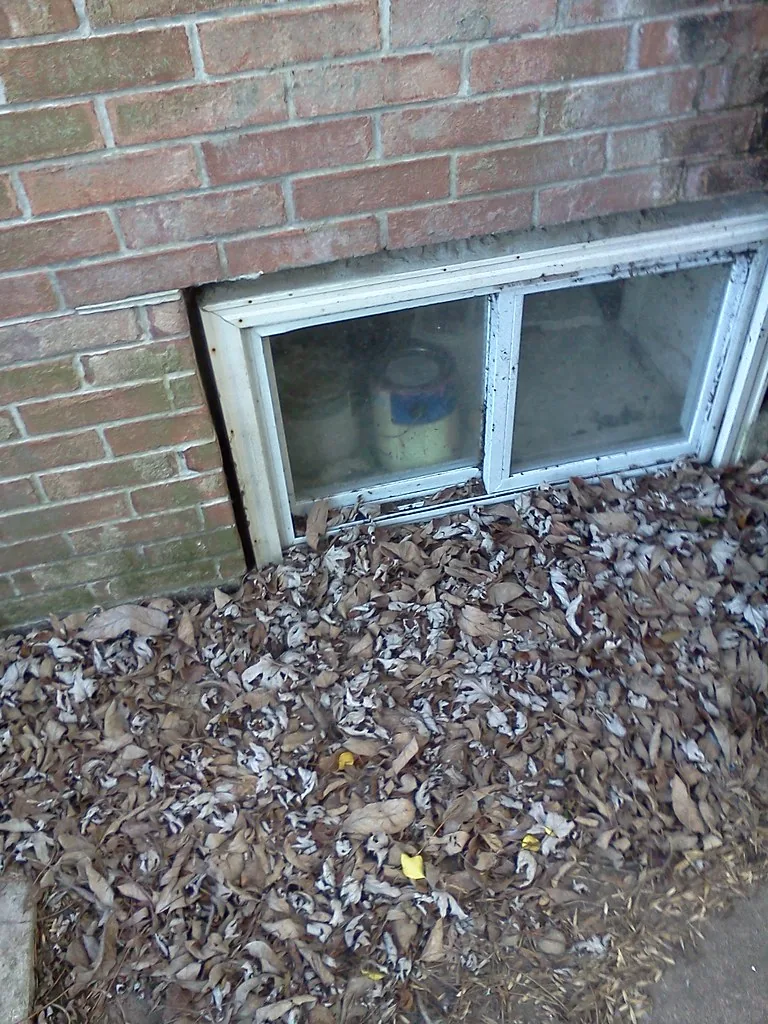
Basement Flood Help in Little Hocking, Washington County
MH Restoration provides basement window, window-well & hydrostatic water damage in Little Hocking, Ohio, serving ZIP code 45742 and nearby communities across Washington County in the Southeast Ohio region.
The USGS maintains flood-inundation maps for the Ohio and Muskingum rivers around Marietta, built from local streamgage data. Flash flooding in hilly terrain can arrive with little warning during intense storms.
How To Tell if This Is Your Problem
Matching the symptom to the source is what makes the fix work. Useful diagnostics:
- Timing: does water appear during or right after rain (drainage/storm source), or at random times (plumbing/appliance source)?
- Location: near a specific appliance or pipe run points to that system; along the floor-wall joint points to hydrostatic pressure; at windows points to window-well drainage.
- Water character: clear and odorless suggests a supply-line source; odors or discoloration suggest sewage or exterior contamination.
- History: a first-time event after a major storm differs from recurring seepage, the first needs emergency response, the second needs diagnosis plus response.
Professional assessment with moisture mapping confirms the source rather than guessing, and the source determines the entire scope of work.
When You Need This Service
- Efflorescence, the white mineral crust, maps where water has been moving through the masonry.
- A window well fills with rainwater and pours through the basement window frame during a downpour.
- Water seeps up through hairline floor cracks after days of rain saturate the soil around the foundation.
- Dampness appears along the wall-floor joint, the classic signature of hydrostatic pressure.
How the Work Proceeds
- Find the actual entry point
Window wells, window frames, wall cracks, floor cracks, and the wall-floor joint are each inspected during or right after wet conditions. Guessing the entry point is how these problems get fixed twice. - Remove the water
Standing water is extracted and window wells are pumped or bailed out. Wells holding water against the window are both the symptom and the ongoing source. - Dry the affected assemblies
Walls, sills, and flooring near the entry are dried with air movers and dehumidifiers, following the EPA's 24 to 48 hour guidance. Masonry dries slowly, so readings decide when it is done. - Document the entry path
Photos and notes record exactly where water entered and under what conditions. This documentation is the basis for any drainage correction and for insurance discussions. - Address what can be addressed
Practical corrections are identified: window-well drains or covers, downspout extensions, grading that slopes away from the foundation, and sealing that matches the actual entry. Ready.gov's advice to declutter drains and gutters applies here too, since roof water at the foundation feeds these exact problems. - Verify dry and advise
Final moisture readings confirm the assembly dried, and you get a plain-English explanation of the entry point and what would stop the next event. Some fixes are simple grading; some need a drainage professional, and knowing which saves money.
Equipment Used
- Submersible utility pumps
- Wet and dry vacuums
- Air movers
- Refrigerant dehumidifiers
- Pin and pinless moisture meters
- Inspection cameras for wells and drains
- Personal protective equipment
What It Costs
Basement flood projects in Ohio typically range from $1,000 to $12,000 depending on the project, and every project is different. Where yours falls depends on the factors below. Be cautious of any quote given without moisture mapping of your actual basement, and of prices far outside this range without a clear, documented reason.
- Overall project scale: most basement flood projects fall between $1,000 and $12,000, and every project is different, so the conditions below decide where a given job lands.
- Whether the problem is a single entry point or several
- Amount of water damage to finishes near the entry: sills, drywall, flooring
- Whether masonry needs extended drying time
- Whether drainage corrections like well drains or extensions are added
- Finished vs. unfinished space affected
- Whether the issue is chronic, which usually means a larger correction scope
When To Call a Professional
Call when water repeatedly enters through windows, wells, or the floor, when you cannot identify the entry point, or when previous fixes have failed. Chronic entry points need diagnosis, not another mop. Call MH Restoration at (800) 231-6861.
Frequently Asked Questions
How do I tell where the water is entering?
Watch during or right after rain: water at a window means the well or frame, water along the wall-floor joint means hydrostatic pressure, water at one wall section means a crack or grading issue there. Efflorescence stains also map historic entry paths. A professional inspection during wet conditions gives the definitive answer.
Will sealing the cracks stop it?
Interior crack sealing can help with minor seepage, but it does not relieve hydrostatic pressure, and water will find the next weakest path. Lasting fixes usually manage the water outside: grading, downspout extensions, and drainage. Sealant without drainage is a patch, not a solution.
What is hydrostatic pressure, exactly?
The pressure groundwater exerts against your foundation when the soil around it becomes saturated. Water is heavy, and saturated soil pushes it against walls and up under slabs with real force. That is why water can rise through a solid-looking floor: pressure, not magic.
Related Services in Little Hocking
Basement Window, Window-Well & Hydrostatic Water Damage Nearby
Related Guides
- How Do Water Mitigation Companies Prevent Mold?
- How Do I Know If Drywall Can Be Saved After Water Damage?
- What Happens If I Don't Clean Up a Flooded Basement Right Away?
Basement Window, Window-Well & Hydrostatic Water Damage in Little Hocking, Call Now
Basement flooding in Little Hocking? MH Restoration provides basement window, window-well & hydrostatic water damage across Washington County. Call (800) 231-6861 now.
(800) 231-6861Call Now