Do I Need to Call a Plumber or a Water Damage Company?
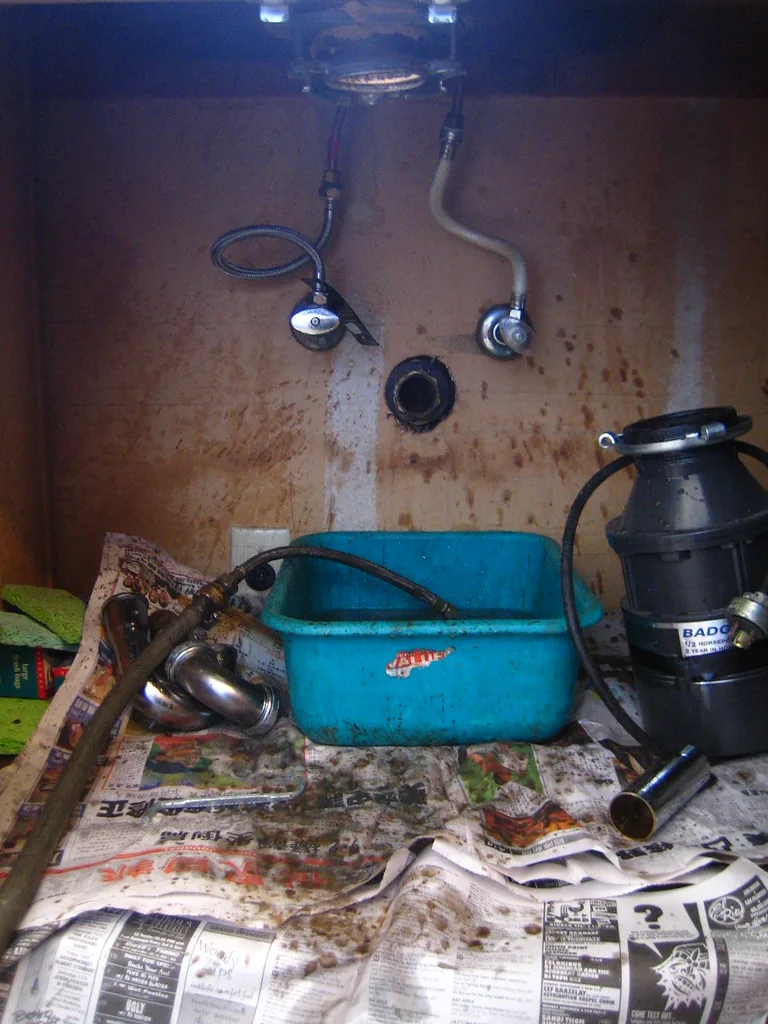
It depends on what is broken versus what got wet. A plumber fixes the source: burst pipes, failed water heaters, broken supply lines, and sewer line problems. A water damage company handles the consequences: extracting the water, drying the structure, removing unsalvageable materials, and restoring the space. Many basement floods need both, in that order: stop the source first, then address the damage. Calling the wrong one first usually just means a referral and lost time.
What a plumber actually does in a flood
A plumber's domain is the plumbing system: the pipes, fixtures, water heater, and sewer lateral that carry water into and out of your house. If a supply line burst, a water heater tank failed, or a drain line broke, the plumber diagnoses the failure, repairs or replaces the component, and verifies the system holds pressure. Plumbers also handle sewer lateral issues and install backflow prevention valves, and Ohio State University Extension specifically notes that plumbing changes, including valve installation, must be done by a licensed plumber or contractor. What a plumber generally does not do is dry your basement: extraction, structural drying, and moisture verification are a different trade.
What a water damage company actually does
A water damage company's domain is the water that already escaped: where it went, what it touched, and how wet everything is. The work runs in a deliberate sequence: categorize the water, extract the standing water, remove porous materials that cannot be dried in time, run controlled drying with dehumidification, verify dryness with moisture meters, and clean and sanitize appropriate to the contamination level. This is assessment-driven work, and a competent company measures before acting. What it generally does not do is repair your plumbing: if the source is still active, the honest company tells you to get a plumber first, because extracting water that is still pouring in is pointless.
The cases that clearly need both
Several common scenarios require both trades in sequence. A burst pipe that flooded a finished basement: plumber stops the leak and repairs the pipe, then the restoration company handles the water. A sewer backup: plumber addresses the line or installs a backflow valve, while the restoration company handles the contaminated water and materials, since sewage requires protective protocols most plumbers do not perform. A failed water heater: plumber replaces the unit, restoration company dries the area it soaked. In each case the order is the same: source first, damage second. Coordinating them promptly matters because the EPA's 24 to 48 hour drying window keeps running while you decide.
How to decide who to call first
Ask one question: is water still coming in from a plumbing source? If yes, or if you are unsure, call the plumber first, because nothing else can proceed until the source is controlled. If the source is stopped or was never plumbing, a storm, seepage, an appliance overflow that has ended, call the water damage company first. If there is sewage involved, mention it explicitly to whoever you call, because it changes protective requirements and some providers will triage it differently. And if you call the wrong one, a professional in either trade should tell you plainly and point you to the other, which is itself a useful signal about who you are dealing with.
What about the insurance angle
The distinction matters for documentation too. Your insurer will want to know the cause, and cause determines coverage analysis: sudden plumbing failures, sewer backup, and floodwater are treated differently, and flood damage is generally excluded from standard homeowners policies. The Ohio Department of Insurance advises asking your agent about endorsements for sewer backup and sump pump issues specifically. Having both the plumber's diagnosis of the source and the restoration company's documentation of the damage gives the claim two factual legs to stand on instead of one person's opinion.
Frequently Asked Questions
My water heater burst. Who do I call first?
The plumber, to stop the water and replace or repair the unit. Once the source is controlled, the water damage company extracts the water and dries the area. If significant water spread to finished areas, do not wait days between the two calls.
Can one company do both jobs?
Some full-service contractors handle both plumbing repair and restoration, but verify they are genuinely qualified in each. A plumber without drying equipment and moisture meters cannot verify dryness, and a restoration company without plumbing licensure should not be altering your pipes. Ask what each part of the work involves and who performs it.
The water came from a floor drain during rain. Plumber?
Start with the water damage company for the contamination and the drying, but you will likely also need a plumber to evaluate a backflow prevention valve, since the mechanism is sewer system overload pushing back through your lines. Mention the drain and the timing when you call.
Will my plumber handle the insurance paperwork?
Plumbers document their repair; restoration companies document the damage scope, moisture readings, and materials removed. Together these form the claim file. Neither replaces your own photos taken before anything was moved.
Sources
- Ohio State University Extension, Guidance: plumbing changes must be done by a licensed plumber or contractor
- U.S. Environmental Protection Agency, Mold guidance: the 24-48 hour drying window
- Ohio Department of Insurance, Flood exclusions and endorsement guidance
Related Guides
- How Long Before a Flooded Basement Can Be Used Again?
- What's Included in a Basement Flood Damage Estimate?
- How Can I Speed Up Basement Drying After Flooding?
Related Services
Questions About Basement Flooding?
Call MH Restoration at (800) 231-6861, serving 909 Ohio communities.
(800) 231-6861Call Now